Early third-quarter earnings show a 'resilient' U.S. consumer, with signs of strain
Source Entity
US Top News and Analysis
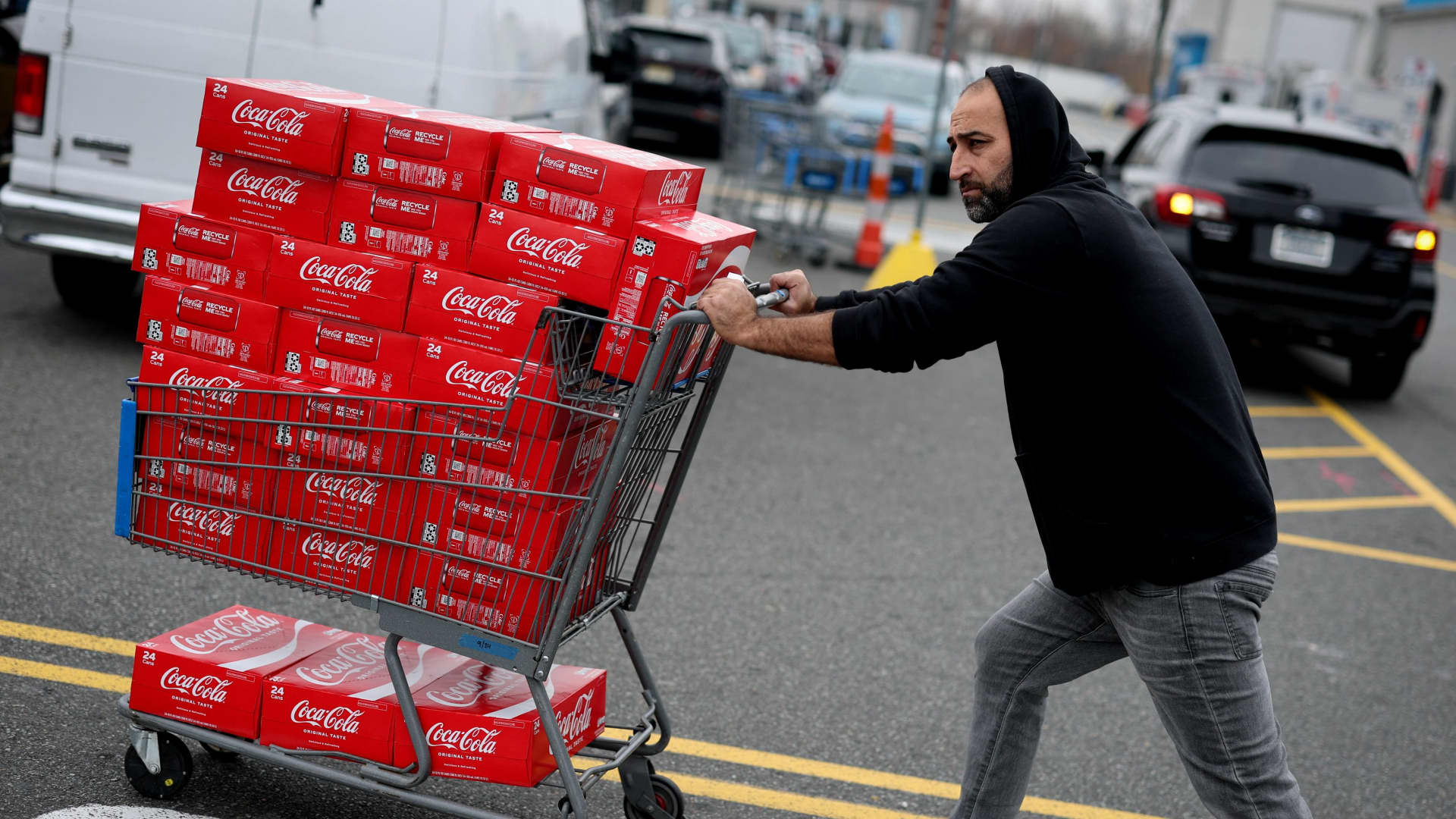
Major corporations like UPS and Coca-Cola are reporting resilient consumer spending despite ongoing inflationary pressures and rising fuel costs. UPS specifically beat third-quarter expectations, leading to an upward revision of their full-year revenue guidance.
The Resilience of the American Consumer: A Q3 Earnings Analysis
Recent third-quarter earnings reports have coalesced around a single, defining term: "resilient." Despite a macroeconomic environment characterized by persistent inflation, high borrowing costs, and volatile fuel prices, the American consumer has demonstrated a surprising capacity to maintain spending levels. Major corporations, ranging from beverage giants like Coca-Cola to logistics leaders like UPS, have signaled that demand remains steady, challenging earlier bearish predictions from economists who anticipated a sharper pullback in retail activity.
UPS Performance as a Macroeconomic Bellwether
The logistics sector often serves as a proxy for the broader health of the economy, and the latest results from United Parcel Service (UPS) are particularly telling. Reporting third-quarter earnings of $1.69 per share—beating Wall Street expectations of $1.63—the company has signaled operational strength. By raising its full-year consolidated revenue projection to approximately $92.6 billion, up from $91.2 billion, UPS is betting on sustained package volume through the end of the year. This upward guidance adjustment, the second in consecutive quarters, suggests that the supply chain is absorbing inflationary costs without stifling end-user demand.
Navigating Inflationary Headwinds
The resilience of the consumer is being tested by significant external pressures. Specifically, the surge in diesel fuel prices to record highs of $6.52 per gallon in September created legitimate concerns regarding the cost of goods sold. When transportation costs spike, they typically trickle down to the retail price of consumer products. However, the data indicates that companies have managed to navigate these headwinds effectively, either through pricing power or operational efficiencies, preventing the expected erosion of consumer purchasing power.
Geopolitical and Economic Pressures
Beyond domestic logistics and retail, the broader economic landscape remains fraught with uncertainty. Economists have frequently pointed to the confluence of high borrowing costs and the ongoing geopolitical tensions between the U.S. and Iran as primary catalysts for potential economic cooling. While these factors have undoubtedly created a challenging backdrop for corporate planning, the current earnings cycle suggests that the U.S. consumer has yet to reach a breaking point, prioritizing essential and discretionary spending even as the cost of living remains elevated.
Future Trends and Market Outlook
Looking toward the fourth quarter, the trend of "resilient" spending will be put to the ultimate test during the peak holiday shopping season. With UPS projecting $25.7 billion in fourth-quarter revenue, the market is bracing for a high-volume finish to the year. If this trend holds, it may force a reassessment of current economic models that have favored a more pessimistic view of consumer behavior. While the strain is visible, the aggregate data suggests that the American economy is exhibiting a robustness that continues to defy the expectations of many market analysts.