Restoration of Kashmir’s Malshahi Masjid could erase a Mughal-era layer, warn conservationists
Source Entity
India Latest News: Top National Headlines Today & Breaking News | The Hindu
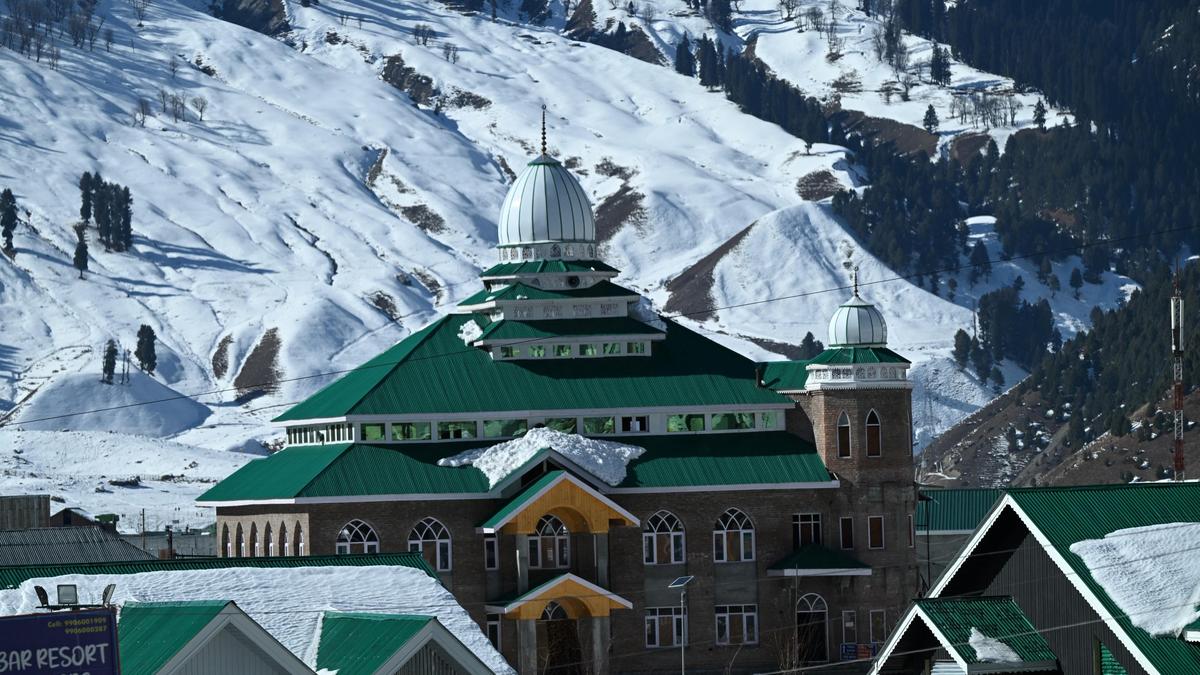
The restoration of the 17th-century Malshahi Masjid in Kashmir faces criticism from experts concerned about the preservation of its Mughal-era architectural integrity. While the government has committed ₹5.01 crore to the project, conservationists are calling for a more rigorous plan to prevent the loss of historical materials.
The Dilemma of Preservation at Malshahi Masjid
The proposed ₹5.01 crore restoration of the 17th-century Malshahi Masjid in Ganderbal, Kashmir, has ignited a significant debate regarding the intersection of modern infrastructure development and historical preservation. While the project, initiated by J&K Chief Minister Omar Abdullah, aims to revitalize a site long left unattended, the intervention has drawn sharp criticism from experts who fear that the current methodology may inadvertently destroy the very history it intends to protect.
The Historical Significance of the Site
At the heart of the controversy is the mosque’s deep historical lineage, specifically its association with Akhund Mulla Shah and the Mughal prince Dara Shikoh. As a rare architectural relic from the 17th century, the structure serves as a tangible link to the cultural and intellectual zenith of the Mughal era in Kashmir. Conservationists argue that the mosque retains a significant amount of authentic material that provides invaluable insights into the period’s construction techniques and aesthetic sensibilities.
Technical Concerns and Conservation Methodology
Landscape architect Jan Haenraets has been a vocal critic of the current trajectory of the restoration. The primary concern is that the ongoing work—which has already included the installation of stone pavements—might be moving too quickly without the necessary scientific oversight. Experts emphasize that for a site of such antiquity, a 'thorough conservation plan' is not merely a bureaucratic requirement but a mandatory step to prevent the irreversible loss of historical layers.
The Risks of Modern Intervention
When ancient structures are restored without a comprehensive strategy, there is a substantial risk of 'erasing' history rather than preserving it. The introduction of modern materials or construction practices into a 17th-century site can alter its structural integrity and historical character. The warning from the conservation community suggests that the current plan may prioritize aesthetic modernization over the delicate, painstaking work required to stabilize original materials.
Broader Implications for Heritage Management
This situation highlights a recurring tension in heritage management: the demand for visible development versus the necessity of academic preservation. The Malshahi Masjid project serves as a case study for the need to balance public utility with the preservation of cultural memory. Future trends in Kashmiri heritage conservation will likely depend on whether the local government chooses to integrate professional conservation standards into their development policies.
Conclusion and Future Outlook
Ultimately, the restoration of the Malshahi Masjid must be viewed through the lens of long-term stewardship. While the financial commitment of ₹5.01 crore is a positive sign of interest in local heritage, success will be measured by the preservation of the site's authentic Mughal-era character. It is imperative that the authorities pause to consult with specialists to ensure that the restoration process serves as a model for historical preservation rather than a cautionary tale of modernization gone wrong.
Verification Required?