Consumers are showing signs of strain even as they keep spending, CNBC/NRF Retail Monitor shows
Source Entity
US Top News and Analysis
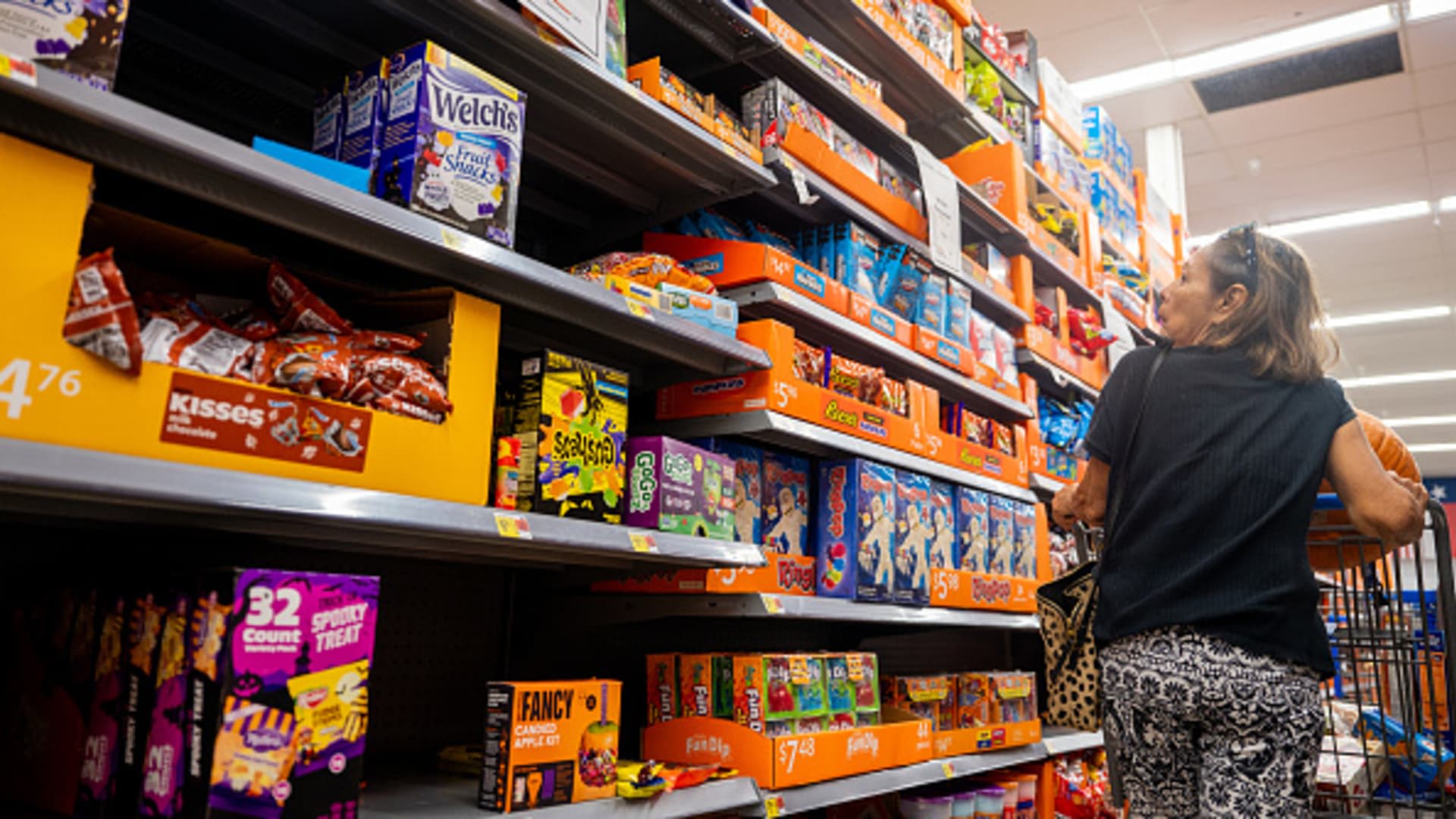
Retail growth slowed to its lowest pace in nearly a year this October as consumers grapple with persistent inflation. While spending reached $561.7 billion, the marginal 0.2% monthly increase signals growing caution among American shoppers.
The Cooling of American Consumer Spending
Recent data from the CNBC/NRF Retail Monitor highlights a significant shift in the economic behavior of American consumers. In October, retail sales growth slowed to its most sluggish pace in nearly a year, underscoring the mounting pressure of persistent inflation on household budgets. While the economy continues to show signs of life, the marginal increase in spending suggests that the prolonged period of elevated prices is finally beginning to curb the enthusiasm of the American shopper.
Analyzing the October Retail Metrics
According to the latest findings, total retail spending reached $561.7 billion on a seasonally adjusted basis in October. This figure represents a modest 0.2% increase from the previous month and a 3.6% growth rate compared to the same period last year. When excluding the volatile restaurant sector, core retail spending performed slightly better, rising 0.3% month-over-month to reach $454.2 billion. Despite these positive year-over-year markers, the month-over-month deceleration is the primary concern for economists monitoring consumer health.
The Impact of Inflationary Strain
The core issue driving this slowdown is the cumulative effect of high prices. As consumers face the rising cost of essential goods—exemplified by daily shopping trips to retailers like Walmart—the discretionary income available for non-essential items is shrinking. The data indicates that shoppers are becoming increasingly selective, prioritizing necessities and delaying larger purchases. This "choosiness" is a direct defensive reaction to the diminished purchasing power caused by sustained inflationary cycles.
Broader Economic Implications
Retail spending acts as a primary engine for the U.S. economy, often accounting for a significant portion of GDP. When this engine begins to stutter, it creates a ripple effect across supply chains and employment sectors. The current trend suggests that the "resilient consumer" narrative may be reaching its limits. If the growth rate remains at these historic lows, retailers may be forced to adjust their inventory strategies and pricing models to attract a more price-conscious demographic heading into the critical holiday shopping season.
Future Outlook and Trends
Looking ahead, the retail sector faces a period of volatility. As shoppers grow more cautious, the competition for the remaining consumer dollar will intensify. Businesses that can demonstrate value and offer competitive pricing are likely to fare better than those relying on volume alone. If the inflationary pressure does not subside, we can expect to see further deceleration in retail growth, potentially signaling a broader cooling of the domestic economy. Maintaining a close watch on these monthly monitor reports will be essential for understanding the trajectory of the American retail landscape in the coming quarters.