He’s lost hundreds of thousands in stocks like SpaceX and Beyond Meat — and he’s not stopping. Is the ‘high’ worth it?
Source Entity
Yahoo Finance
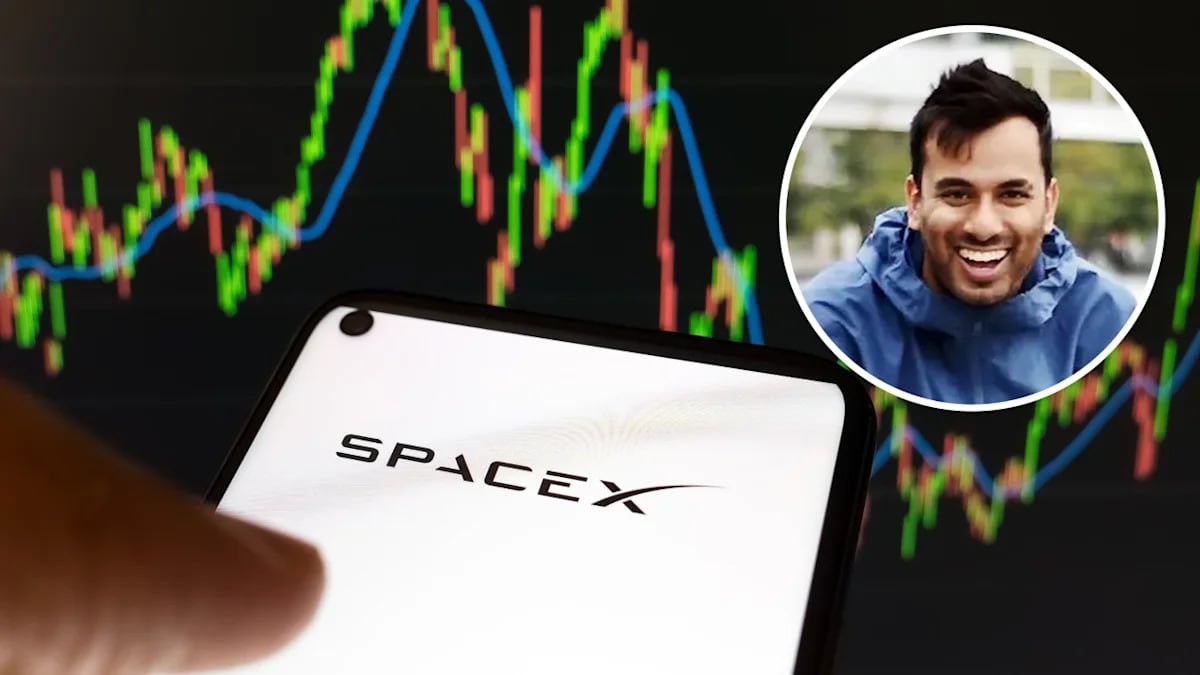
Day trader Akshay Sapra lost over $250,000 in a week trading SpaceX stock based on flawed index inclusion predictions. Despite these significant losses, he remains committed to trading, seeking accountability through public streaming.
The Perils of Retail Day Trading: A Case Study in Volatility
The High-Stakes Gamble
Akshay Sapra’s recent financial experience serves as a stark reminder of the extreme volatility inherent in speculative day trading. By losing over 350,000 Canadian dollars—approximately $250,000 USD—within a single week, Sapra highlights the dangers of aggressive positions in high-profile equities like SpaceX. His approach, characterized by heavy reliance on call options and large share volumes, underscores a common pitfall where retail traders attempt to front-run institutional market movements.
Miscalculating Market Mechanics
Sapra’s primary loss stemmed from a fundamental misunderstanding of market events. He anticipated that SpaceX’s entry into the Nasdaq-100 on July 7 would trigger massive mandatory buying from index funds, leading to a share price spike. Instead, the stock fell from $158.92 to $149.47, resulting in a loss of over CA$200,000. This incident illustrates the 'buy the rumor, sell the news' phenomenon, where markets often price in expected events well before they occur, leaving those who move late vulnerable to sharp corrections.
The Psychology of Trading
At the core of Sapra’s narrative is the psychological allure of high-risk trading. Sapra candidly admits that 'the highs are too good,' suggesting that the adrenaline and potential for massive gains often override rational risk management. This emotional attachment to the process is a well-documented challenge in behavioral finance, where the thrill of the trade can cloud judgment and lead to impulsive, non-strategic decision-making.
Seeking Accountability via Transparency
In an attempt to curb his impulsive behavior, Sapra has turned to radical transparency by live-streaming his trades. By inviting an audience to witness his actions, he hopes to create a layer of social accountability that prevents him from making erratic moves. This strategy reflects a growing trend among retail traders who use social media platforms to document their journeys, though the efficacy of public oversight in tempering personal financial impulses remains to be seen.
Broader Implications and Future Trends
Sapra’s story is symptomatic of a broader shift in the retail investment landscape, where access to sophisticated trading tools and options markets has made it easier for individual investors to take on institutional-level risks. As more retail traders enter the market, the potential for rapid, sentiment-driven price swings in major stocks increases. His experience serves as a cautionary tale for those who view day trading as a shortcut to wealth rather than a high-risk endeavor requiring disciplined strategy and emotional detachment.
Conclusion
While Sapra remains undeterred and plans to continue trading, his journey underscores the thin line between calculated risk and gambling. His story highlights that even when traders identify the risks—such as emotional impulsivity—the structural lure of the market can be difficult to overcome. Moving forward, the effectiveness of his public accountability model will be a point of interest for those studying the intersection of social media influence and retail market behavior.