A massive ‘corporate welfare’ program is underway — and consumers want a bigger cut of it
Source Entity
MarketWatch.com - Top Stories
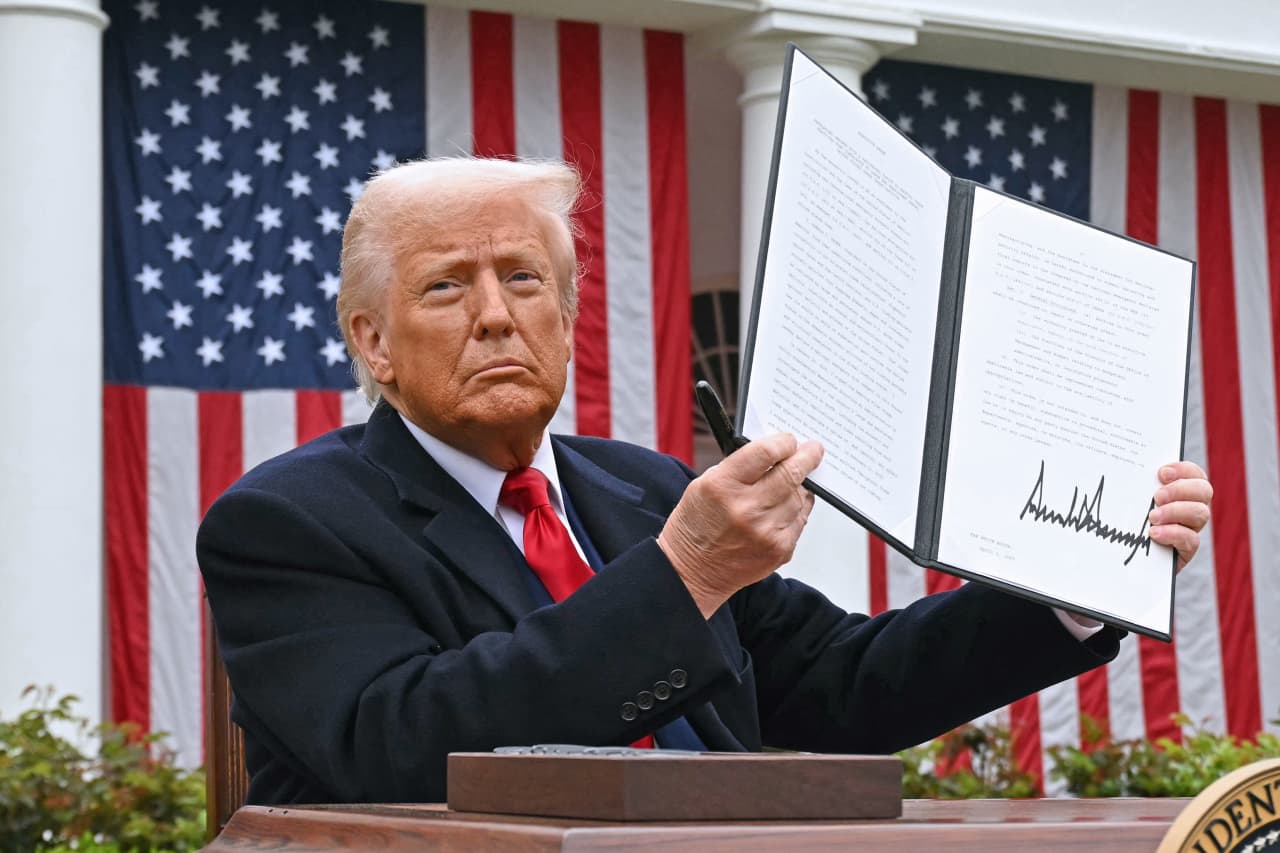
Major U.S. retailers are receiving billions in tariff refunds following a Supreme Court ruling against previous levies. Companies are utilizing these funds in diverse ways, sparking consumer debate over whether these savings should be passed down through lower prices.
The Corporate Windfall: Analyzing the Massive Tariff Refund Program
Following a landmark Supreme Court decision that rejected specific levies imposed during the Trump administration, the federal government has initiated a massive redistribution of funds. As of late July, more than $100 billion has been returned to businesses, effectively creating a corporate welfare program of unprecedented scale. This influx of capital has landed squarely in the coffers of America's largest retailers, including industry giants like Amazon, Walmart, and Target.
The Corporate Dilemma: How Retailers Are Allocating Capital
The arrival of these multi-billion dollar refund checks presents a strategic crossroads for retail executives. According to reports, the utilization of these funds varies significantly across the sector. Many corporations have opted to use the capital to cushion their profit margins and offset the operational costs incurred during the period the tariffs were active. Others have funneled the liquidity into aggressive marketing campaigns or strategic price reductions, while a minority of companies have explicitly pledged to return a portion of these funds to their consumer base.
The Consumer Perception Gap
A critical tension exists between corporate financial management and public expectation. David Silverman, a senior director at Fitch Ratings, highlights a growing predicament: consumers largely perceive that they were the ones who ultimately shouldered the burden of these tariffs through increased retail prices. Because the public feels they paid the 'tariff tax' at the checkout counter, there is a mounting expectation that these refunds should manifest as lower prices or direct rebates rather than corporate dividends or stock buybacks.
Economic Implications and Market Dynamics
This situation underscores the complex relationship between trade policy and consumer pricing. When tariffs are initially levied, retailers often pass those costs to the end-user to maintain margin stability. Now that the reverse is occurring, the lack of a standardized mechanism to pass these savings back to the consumer creates a transparency issue. The divergence in how companies spend this windfall—ranging from price cuts to capital reinvestment—will likely influence consumer sentiment and brand loyalty in the coming fiscal quarters.
Future Trends and Regulatory Outlook
Looking ahead, the fallout from these refunds may influence future legislative and judicial approaches to trade policy. The sheer scale of the $100 billion return highlights the volatility of tariff-based trade strategies and the potential for long-term legal entanglements. As retailers continue to navigate these balance sheets, the pressure from consumer advocacy groups and the potential for regulatory scrutiny regarding how these 'windfall' profits are used could shape future corporate communications and pricing strategies across the retail landscape.
Verification Required?