Reverse engineering a vintage diode-transistor logic chip
Source Entity
Hacker News
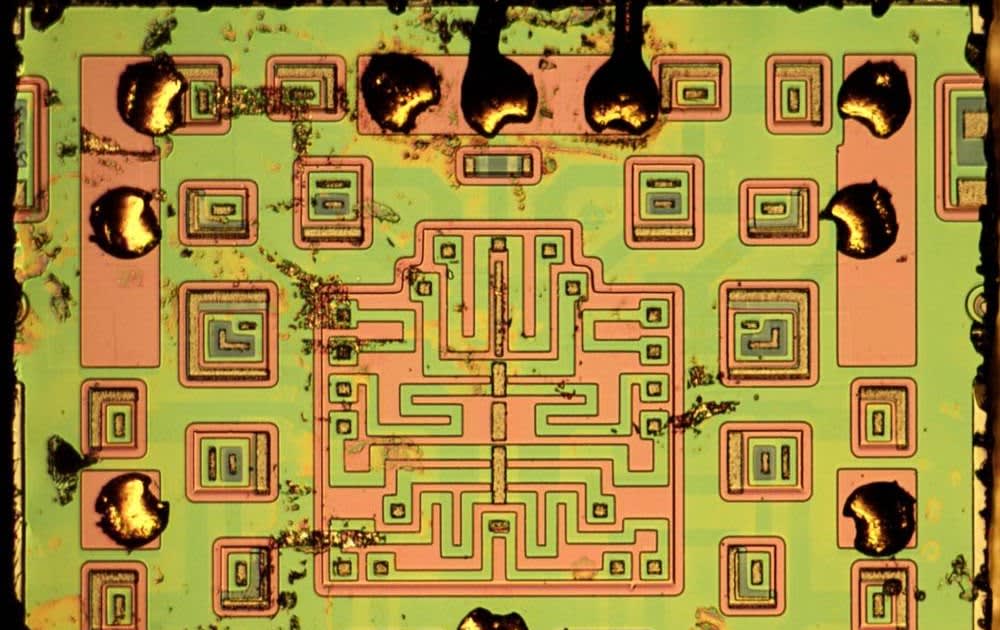
Engineers are engaging in the meticulous process of reverse engineering a vintage diode-transistor logic (DTL) chip. This effort highlights the technical challenges of analyzing legacy semiconductor architectures through modern investigative methods.
The Art of Reverse Engineering Vintage Silicon
Reverse engineering a vintage diode-transistor logic (DTL) chip represents a fascinating intersection of modern analytical techniques and historical computing architecture. DTL, an early class of digital logic circuits, served as a foundational building block for the electronics industry before the widespread adoption of Transistor-Transistor Logic (TTL). By examining these older components, engineers are not only uncovering the specific design choices of past decades but are also gaining a deeper appreciation for the evolution of semiconductor manufacturing.
Challenges in Analyzing Legacy Architectures
The process of reverse engineering a DTL chip is inherently complex due to the physical degradation of vintage silicon and the limitations of early fabrication processes. Unlike modern integrated circuits, which feature billions of transistors, DTL chips are relatively sparse. However, identifying the specific trace patterns and doping profiles requires high-resolution imaging and sophisticated logical reconstruction. This analytical process is essential for documenting the history of computing, as many original schematics for these chips have been lost to time.
Historical Context of DTL Technology
Diode-transistor logic was prominent in the 1960s, providing a reliable way to perform boolean functions before the industry standardized on more efficient designs. The reliance on diodes for the logic gating and transistors for amplification created a distinct electrical profile. Analyzing these chips allows experts to map the progression from discrete component circuit boards to the highly integrated monolithic chips that define our modern digital landscape. It serves as a bridge between the vacuum tube era and the silicon age.
Methodologies for Modern Reconstruction
To effectively reverse engineer these vintage devices, experts typically employ a multi-stage approach. This includes destructive layer-by-layer imaging, such as chemical delayering and scanning electron microscopy (SEM), followed by software-based circuit extraction. The goal is to recreate a netlist that can be simulated in modern CAD software. This methodology ensures that the logical behavior of the original silicon can be verified and compared against known technical documentation of the era.
Broader Implications and Future Trends
The preservation of knowledge regarding vintage hardware is critical for the maintenance of legacy systems and the broader understanding of computer engineering history. As we continue to push the boundaries of miniaturization, looking back at the simplicity of DTL logic provides a necessary baseline for understanding how digital complexity has scaled over time. Future efforts in this field will likely focus on automated image recognition for circuit extraction, potentially speeding up the recovery of lost technical knowledge for archival purposes.