Zoox robotaxis are now on the Uber app in Las Vegas
Source Entity
Kirsten Korosec
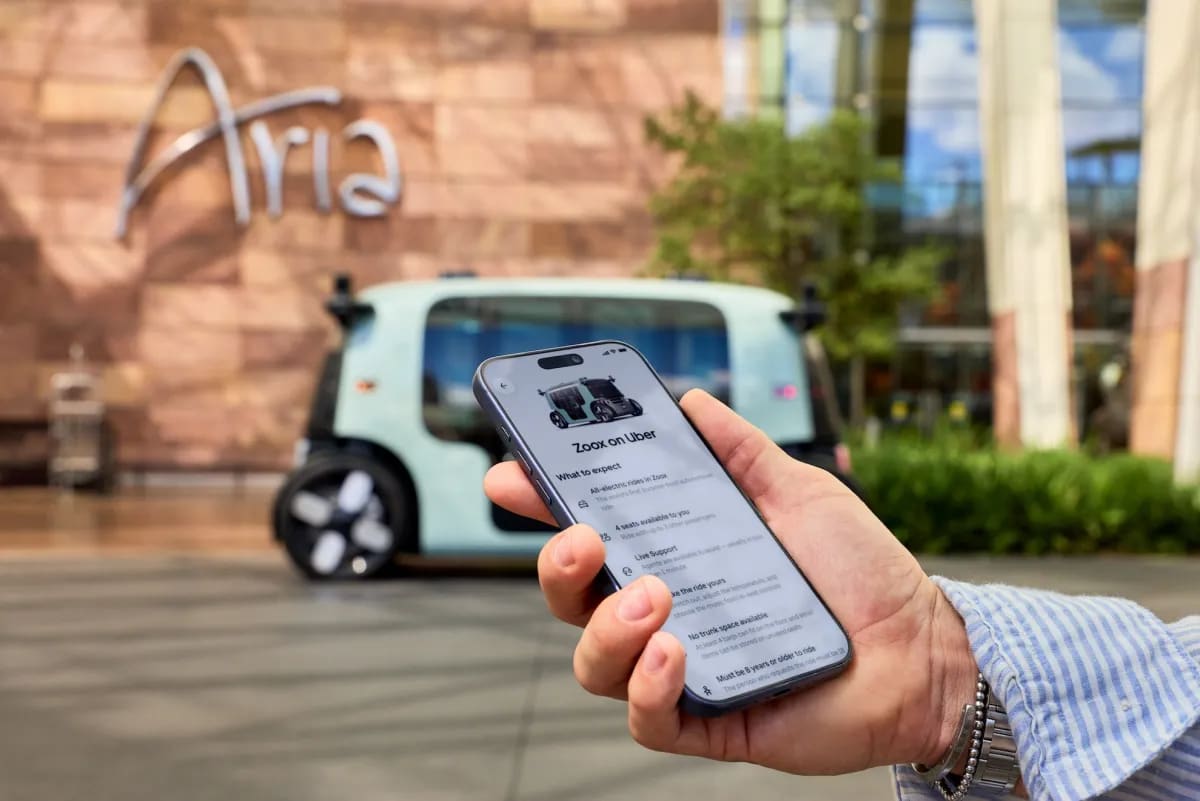
Amazon-owned Zoox has launched its purpose-built, steering-wheel-free robotaxis on the Uber platform in Las Vegas. This partnership marks a significant milestone as Uber expands its autonomous vehicle network and Zoox gains access to a broader customer base.
The Integration of Autonomous Fleets into Mainstream Ridesharing
The landscape of urban mobility reached a significant inflection point this week as Amazon-owned Zoox officially deployed its autonomous, purpose-built robotaxis onto the Uber platform in Las Vegas. This collaboration represents a historic first for both entities: it is the initial instance of Zoox opening its fleet to a third-party application, and the first time Uber has integrated a steering-wheel-free, bidirectional vehicle into its extensive ride-hailing network. By leveraging Uber’s massive user base, Zoox is positioned to bridge the gap between niche autonomous testing and widespread public adoption.
Uber’s Strategic Pivot Toward Autonomy
Uber’s decision to integrate Zoox is not an isolated experiment but rather a core component of a broader, aggressive strategy to become the primary interface for autonomous transport across North America, Europe, and the Middle East. Having already established partnerships with over 30 companies involved in autonomous technology—ranging from sidewalk delivery bots to sophisticated drone systems—Uber is effectively positioning its app as the central marketplace for the future of logistics and human transit. This shift signals a transition from being a traditional ride-hailing company to a comprehensive platform for automated mobility.
The Unique Design of Zoox Vehicles
Unlike conventional autonomous efforts that retrofit existing passenger cars with sensor suites and software, Zoox utilizes a purpose-built, bidirectional design. The absence of a steering wheel or traditional driver-focused cockpit creates a unique user experience. By deploying these vehicles through the Uber app, the companies are aiming to normalize the presence of driverless, carriage-style seating in high-traffic urban environments like Las Vegas, where riders can now be matched with these vehicles when selecting various Uber service tiers.
Expanding Market Accessibility
For Zoox, the partnership provides an essential boost in visibility and accessibility. While the company has been developing its technology for years, the barrier to entry for potential riders—who might be hesitant to download a proprietary app for a single service—is significantly lowered by utilizing the ubiquitous Uber interface. This integration allows Zoox to capture a wider demographic of users who are already accustomed to the Uber ecosystem, thereby accelerating the data collection and operational scaling necessary for future expansion.
Future Implications and Market Trends
This partnership underscores a broader trend in the tech industry: the consolidation of autonomous hardware manufacturers with established consumer-facing platforms. As companies like Uber continue to diversify their autonomous partners, the competitive landscape for robotaxi services is likely to intensify. This evolution suggests that the future of urban transit will be defined by highly specialized fleets operating within a unified digital marketplace, fundamentally changing how consumers perceive and utilize ride-hailing services in major metropolitan centers.