Hold up — I had a great time talking to the RIAA guy
Source Entity
Nilay Patel
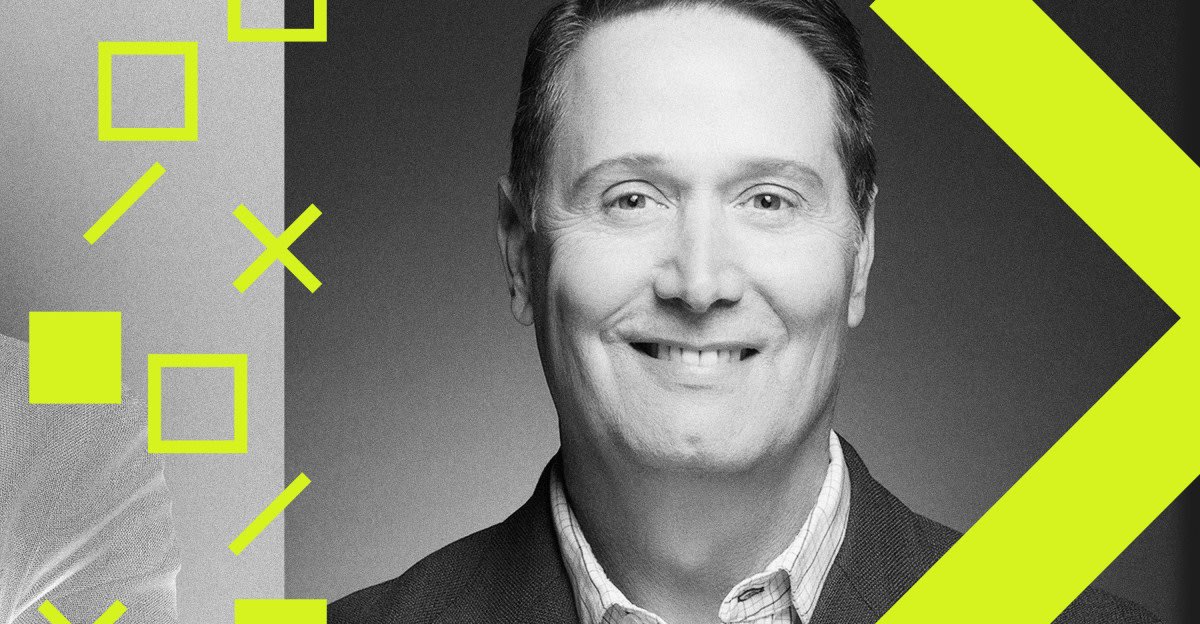
The RIAA is shifting its historical focus from suing individual music downloaders to challenging big AI companies over unauthorized data training. This alignment highlights a new era of copyright disputes centered on generative AI's impact on creative industries.
The Shifting Landscape of Copyright and Creative Rights
From Napster to Neural Networks
For decades, the Recording Industry Association of America (RIAA) occupied a contentious position in the public consciousness, particularly during the early 2000s when the emergence of Napster led to widespread litigation against individual music consumers. This era defined the RIAA as a polarizing force, often cast as the antagonist in the digital transformation of the music industry. The legal battles of that time served as the crucible for many copyright practitioners, including those who witnessed the RIAA’s aggressive enforcement strategies firsthand.
The New Adversary: Generative AI
As of 2026, the industry narrative has undergone a profound pivot. The primary concern for the RIAA, record labels, and independent artists has shifted from peer-to-peer file sharing to the rapid, often uncompensated, ingestion of creative works by large-scale artificial intelligence models. This transition represents a fundamental change in how intellectual property is protected and valued in a digital-first economy, where the threat is no longer individual piracy, but systematic data scraping on an industrial scale.
Alignment of Interests
There is a notable convergence of interests between the RIAA and the general public regarding the state of modern digital content. Both parties are increasingly critical of AI companies that utilize protected works for model training without explicit permission or licensing. This concern is compounded by the saturation of digital platforms with AI-generated content—often derisively labeled as "slop"—which threatens to dilute the discoverability and economic viability of human-authored music.
The Legal and Ethical Dilemma
The current tension centers on the ethics of data usage in the era of generative AI. The RIAA’s stance reflects a broader institutional push to ensure that artists retain control over their creative output. As AI models become more adept at mimicking styles and voices, the legal framework established during the Napster era is proving insufficient. The industry is now tasked with navigating a complex regulatory environment where the definitions of "fair use" are being challenged by the sheer volume and speed of AI training processes.
Looking Toward the Future
Looking ahead, the dialogue between legacy rights organizations and technology developers will likely define the next decade of digital law. The shift in public perception—from viewing the RIAA as a villain to seeing them as a potential defender against unauthorized AI training—highlights the urgency of this issue. Future trends will likely involve mandatory licensing frameworks and more stringent transparency requirements for companies training models on copyrighted datasets, as the industry seeks to balance technological progress with the protection of human creativity.