Rice prices rise amid lower expected production, inadequate rainfall, reduced fertilizer use
Source Entity
Latest News: Todays Latest News Headlines from India & World | Hindustan Times
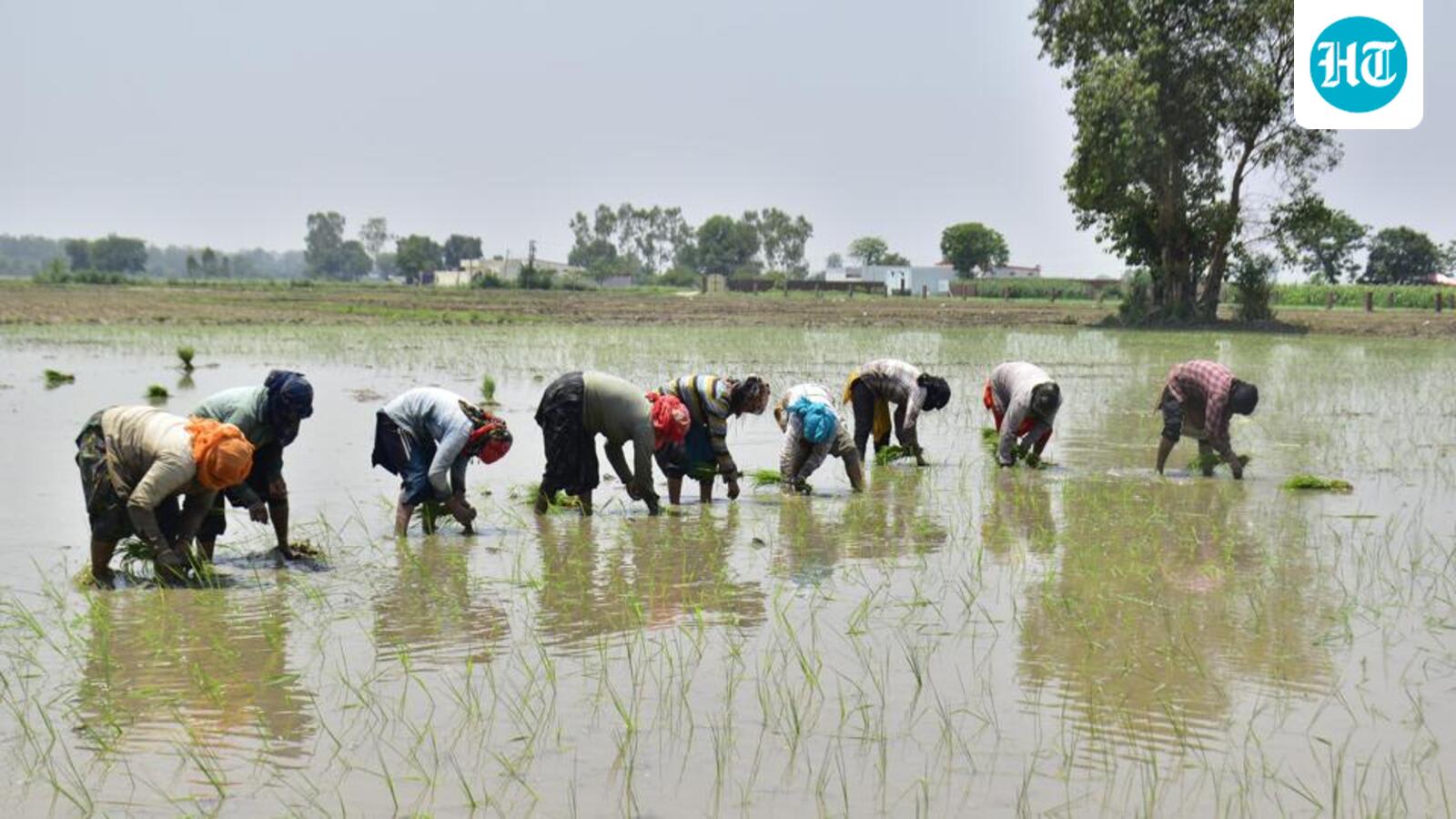
Domestic rice prices are climbing as inadequate rainfall and reduced fertilizer use threaten the 2026-27 harvest. Market experts cite depleted stocks and the impact of an intensifying El Niño as primary drivers for the significant year-on-year price surge.
The Rising Tide of Rice Inflation: A 2026-27 Outlook
The domestic rice market is currently facing a period of significant volatility, driven by a confluence of adverse climate patterns and agricultural input challenges. Recent data indicates a sharp uptick in paddy prices, with markets like Kota, Rajasthan, reporting a dramatic increase from approximately ₹3,200-3,400 per quintal last year to current levels of ₹4,500-4,700. This fiscal strain reflects deep-seated concerns regarding the 2026-27 crop year (July-June), as the agricultural sector grapples with yield uncertainties.
The Impact of Climatic Disruptions
At the heart of this supply-side pressure is the intensifying El Niño phenomenon. This periodic warming of sea surface temperatures has historically disrupted monsoon patterns, leading to the inadequate rainfall currently being observed across key paddy-growing regions. For farmers, the lack of consistent precipitation during critical growth phases directly correlates to lower biomass and reduced grain quality, effectively curbing the total output of the ongoing harvest.
Fertilizer Constraints and Yield Degradation
Beyond atmospheric conditions, the reduction in fertilizer application has emerged as a secondary, yet equally critical, factor influencing crop health. Fertilizer is essential for maximizing yield per hectare; when application rates drop—whether due to supply chain costs or availability—the inherent productivity of the paddy crop diminishes. The combination of nutrient deficiency in the soil and erratic rainfall creates a "double-hit" scenario, where the plant is unable to recover from environmental stress, leading to the lower yields currently anticipated by traders and experts.
Market Dynamics and Stock Depletion
Market participants, such as mandi trader Aniket Mehta, have highlighted that the current price surge is not merely a reaction to anticipated losses but is exacerbated by depleted carry-forward stocks. When the pipeline of stored grain from previous seasons is thin, the market loses its primary buffer against seasonal shocks. This scarcity ensures that even moderate shifts in production expectations trigger outsized price reactions, creating a challenging environment for both suppliers and consumers.
Future Trends and Food Security Implications
Looking ahead, the trajectory of rice prices will likely remain sensitive to the duration and intensity of the current El Niño cycle. If production losses materialize as projected, the domestic market may see continued inflationary pressure. Policy makers and agricultural experts will need to monitor harvest data closely to determine the extent of the shortfall. Moving forward, resilience in the agricultural sector will depend heavily on climate-adaptive farming practices and the stabilization of input costs to ensure that essential food security is not compromised by these cyclical environmental challenges.
Verification Required?