The Internet says rice water is effective for hair growth: Here’s what expert wants you to know about the trending toner
Source Entity
Latest News: Todays Latest News Headlines from India & World | Hindustan Times | Hindustan Times
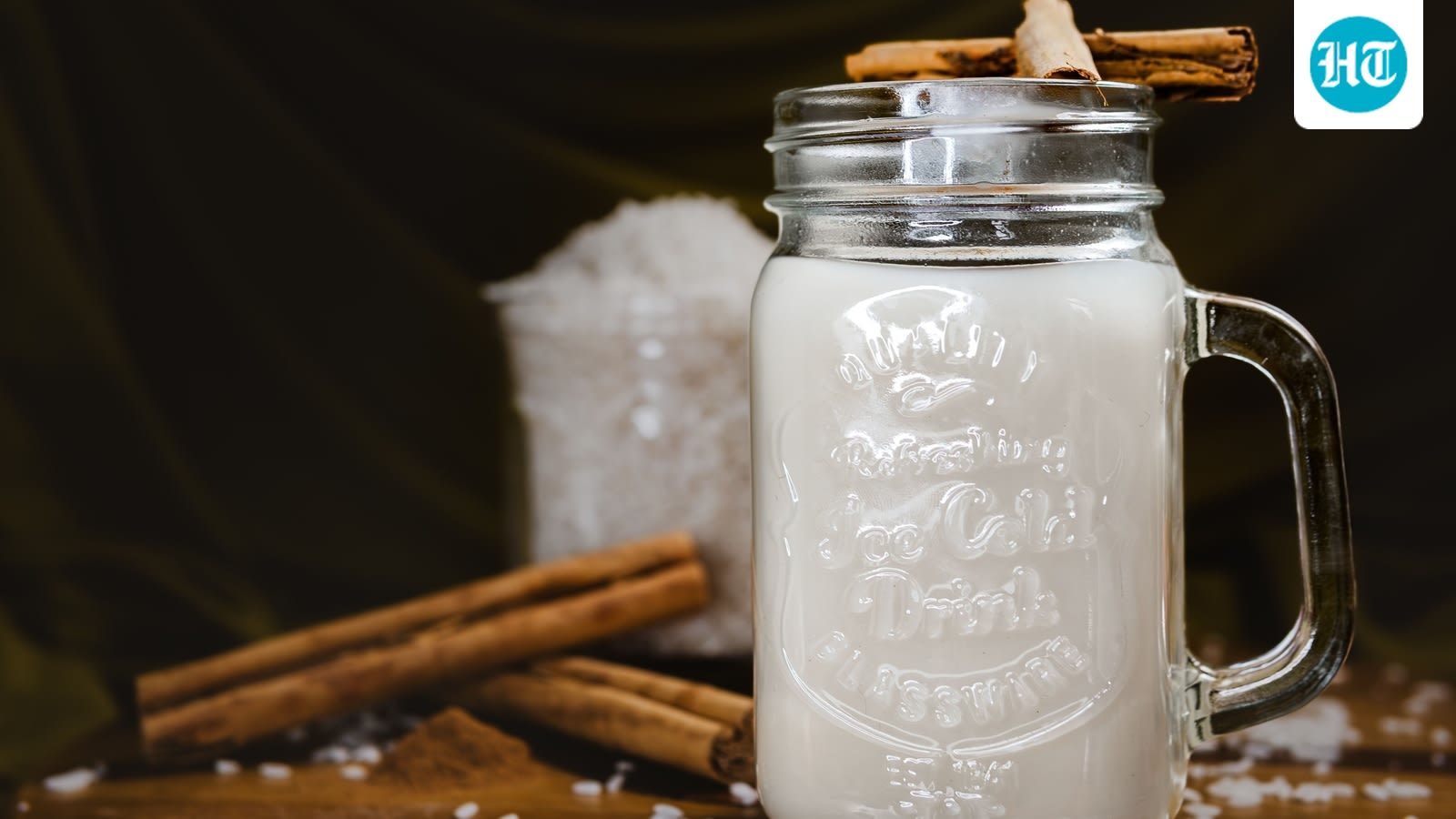
Rice water has surged in popularity on social media as a viral remedy for hair growth and nourishment. However, experts caution that scientific evidence supporting these claims remains limited, necessitating a balanced approach to the trend.
The Rise of Rice Water: Viral Beauty Trends vs. Scientific Reality
In the digital age, social media platforms like Instagram and TikTok have become the primary drivers of beauty trends, often catapulting age-old folk remedies into the global spotlight. Recently, rice water has emerged as a cornerstone of the 'clean beauty' movement, with influencers and content creators—such as Anisa Sojka—actively promoting it as a transformative toner and serum for hair growth. While these digital testimonials suggest profound benefits for hair nourishment, the rapid spread of such trends often outpaces rigorous clinical validation.
Understanding the Cultural and Historical Roots
The practice of using rice water for hair is not a new phenomenon; it has deep historical roots in various Asian cultures, where it has been used for centuries as a traditional treatment. The current surge in popularity is a modern reinterpretation of these practices, adapted for contemporary hair care routines. By framing rice water as a natural, DIY alternative to expensive chemical-laden products, influencers are tapping into a growing consumer demand for sustainable and accessible beauty solutions.
The Expert Perspective: Fact or Fiction?
Despite the glowing reviews found online, medical professionals are advising caution. Dr. Swetha Sridhar, medical director at Dr. Swetha’s Skin Sutra Clinic, emphasizes the need to separate anecdotal evidence from clinical reality. The primary concern among experts is the lack of standardized scientific data to support the specific claim that rice water directly stimulates hair growth. While rice water contains starch and vitamins, the concentration and bioavailability of these nutrients when applied topically are often insufficient to produce the dramatic results frequently promised by viral posts.
Challenges in Scalability and Application
One of the most significant issues with DIY hair care trends is the lack of precision. Influencers often provide varying 'recipes' for rice water toners, which can lead to inconsistent results or even scalp irritation if the preparation is not managed correctly. Unlike commercially formulated products that undergo stability testing and quality control, home-brewed rice water can harbor bacteria if left to ferment too long, potentially causing more harm than good to the scalp's microbiome.
Future Trends in Beauty Consumption
The 'Internet vs. Reality' phenomenon highlights a growing tension between accessible, peer-to-peer beauty advice and professional dermatological guidance. As consumers become more discerning, the future of beauty trends will likely shift toward a 'hybrid' model. This involves the integration of traditional natural ingredients into scientifically backed, lab-tested formulations, ensuring that the benefits of substances like rice water are maximized through proper delivery systems rather than raw application.
Conclusion: A Measured Approach
While the enthusiasm surrounding rice water is a testament to the power of community-driven beauty, it serves as a critical reminder for consumers to remain skeptical of viral claims. Before incorporating any DIY trend into a personal regimen, it is essential to consult with qualified medical professionals. Ultimately, while rice water may offer mild nourishment for some, it is not a miraculous cure-all, and consumers should prioritize evidence-based hair care practices over trending digital narratives.
Verification Required?