‘Is 118 over 80 a normal blood pressure?’
Source Entity
The Indian Express
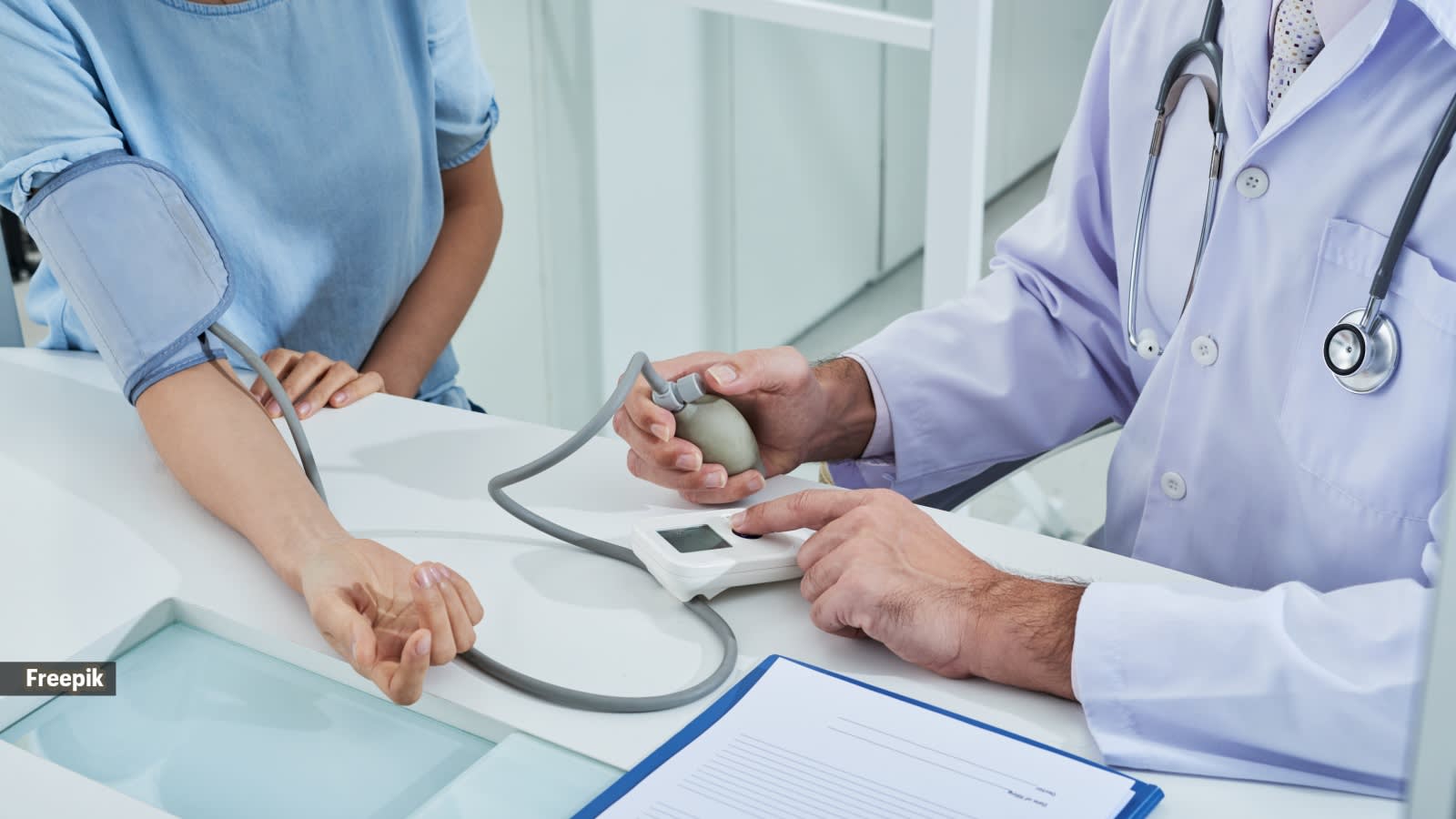
A blood pressure reading of 118/80 mmHg is generally considered to be in the healthy or elevated range depending on clinical guidelines. Experts clarify that while 118 is a normal systolic pressure, the diastolic reading of 80 serves as a borderline marker that warrants monitoring.
Understanding the Numbers: Is 118/80 mmHg Healthy?
In the realm of cardiovascular health, blood pressure monitoring serves as a critical diagnostic tool for assessing long-term wellness. A reading of 118/80 mmHg often prompts questions from individuals seeking to understand their physiological status. According to medical experts like Dr. Nimit Nagda of Zynova Shalby Hospital, the reading is divided into two distinct components: the systolic pressure (118) and the diastolic pressure (80).
Deciphering Systolic and Diastolic Pressure
The top number, 118, represents the systolic pressure, which measures the force exerted against artery walls when the heart muscle contracts to pump oxygenated blood throughout the body. A systolic reading under 120 mmHg is widely categorized as 'normal' by major health organizations. Conversely, the bottom number, 80, represents the diastolic pressure—the force in the arteries when the heart rests between beats. While 118 falls comfortably within the normal range, a diastolic reading of 80 is often cited as the upper limit of normal or the threshold for 'elevated' blood pressure.
Clinical Perspectives and Context
When a patient observes a reading of 80 mmHg, it is important to understand that this value sits at a clinical crossroads. Medical guidelines frequently classify a diastolic pressure of 80 as the boundary between healthy and elevated. While a single reading of 118/80 is rarely cause for immediate alarm, it suggests that the cardiovascular system is operating at the upper limit of optimal pressure. Consistency is key; healthcare professionals emphasize that blood pressure fluctuates throughout the day based on activity, stress, and hydration levels.
The Importance of Monitoring and Lifestyle
Because blood pressure is dynamic, a single snapshot does not constitute a clinical diagnosis of hypertension. Experts advocate for tracking readings over time to establish a baseline. If a pattern of readings at or above 80 mmHg emerges, it may serve as an early indicator to implement lifestyle modifications, such as reducing sodium intake, increasing physical activity, and managing stress levels. These proactive measures can prevent the progression from 'elevated' to 'hypertension.'
Professional Consultation and Conclusion
Ultimately, interpreting blood pressure data should always involve a conversation with a qualified healthcare practitioner. While digital monitors provide convenient access to health data, they lack the nuanced context of a patient's medical history, age, and existing health conditions. As emphasized by medical guidance, individuals should never self-diagnose based on a single reading. Consulting a doctor ensures that any necessary interventions are tailored to the individual’s specific health profile, maintaining the balance between awareness and unnecessary clinical anxiety.