Riot is ending development on its League of Legends fighting game
Source Entity
Jay Peters
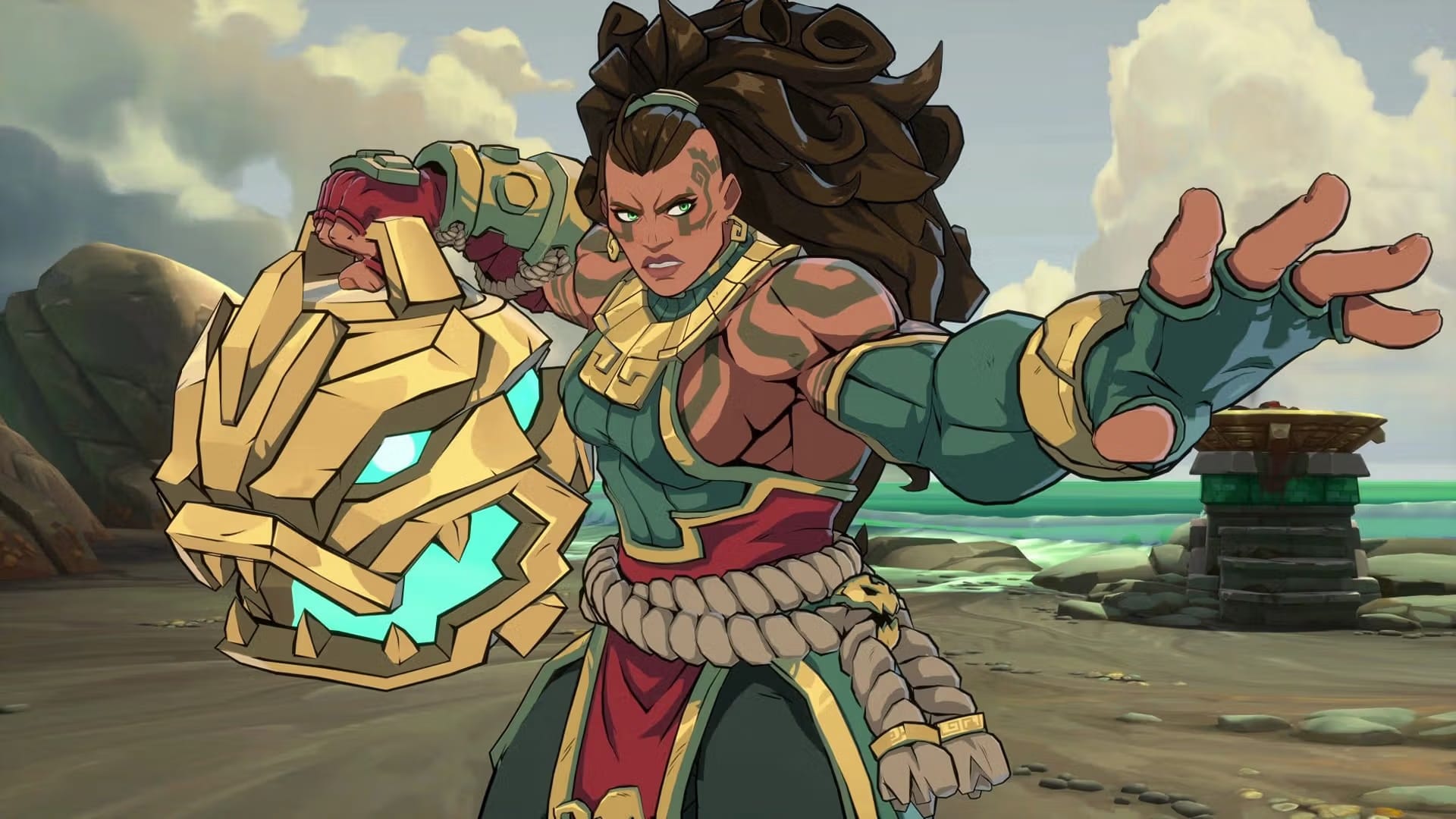
Riot Games is ending active development on its fighting game 2XKO by late 2026 due to low player retention and sustainability concerns. While servers will remain operational, the company is unlocking all characters and offering refunds for past purchases.
The Strategic Pivot: Riot Games Ends 2XKO Development
Riot Games has officially announced that it will cease active development on its free-to-play fighting game, 2XKO, by the end of 2026. This decision marks a significant shift for the developer, coming less than a year after the game's initial launch cycle. Despite the high expectations surrounding a fighting title set in the League of Legends universe, the company cited a lack of player retention and an inability to chart a viable path toward long-term sustainability as the primary drivers for this outcome.
The Lifecycle of a Modern Live-Service Title
The trajectory of 2XKO serves as a stark reminder of the volatility inherent in the live-service gaming model. After launching in an early access beta on PC in October 2025, followed by a console release on PlayStation 5 and Xbox Series X/S in January, the game struggled to maintain the necessary player base to justify continued investment. The decision to halt development reflects a broader industry trend where publishers are increasingly forced to make difficult calls on titles that fail to achieve critical mass shortly after launch.
Operational Implications and Player Compensation
In an effort to mitigate the impact on its dedicated community, Riot Games has committed to keeping the game's servers online beyond the 2026 cutoff date. Furthermore, the company is implementing a series of player-friendly measures, including the unlocking of all playable characters and the issuance of refunds for money previously spent on the game. These steps are likely intended to preserve brand loyalty and goodwill, acknowledging the investment made by early adopters during the game's brief tenure.
The Broader Economic Context
This announcement arrives on the heels of earlier signals of instability, notably when Riot Games moved to cut staff associated with the 2XKO project. At the time, the company indicated that the game's overall momentum was insufficient to meet internal performance benchmarks. This suggests that the decision to end development was not an isolated event, but rather the culmination of a systematic evaluation of resources and market viability within the competitive fighting game genre.
Future Trends in Gaming Sustainability
The conclusion of 2XKO development highlights the increasing pressure on major game studios to demonstrate immediate, scalable success. As the cost of maintaining live-service titles continues to rise, developers are becoming more surgical in their approach to portfolio management. For Riot Games, this pivot allows for the reallocation of resources toward projects with higher growth potential, signaling a shift in focus that prioritizes long-term financial health over the sunk costs of underperforming titles.