Unitree soars in Shanghai debut, a milestone for China's humanoid robotics sector
Source Entity
Yahoo Finance
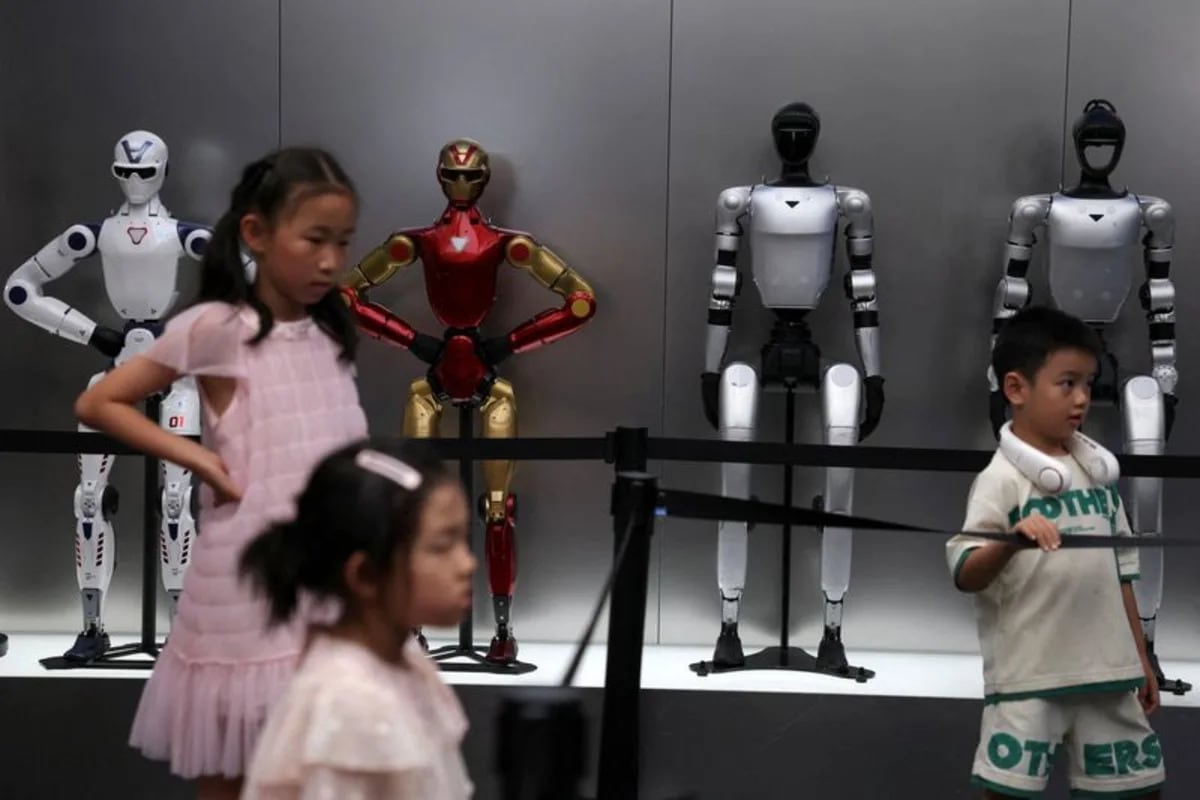
Unitree Robotics founder Wang Xingxing estimates a 'ChatGPT moment' for humanoid robots is still a decade away. While the sector is seeing massive investment and public demonstrations, current capabilities remain limited in practical utility.
The Future of Humanoid Robotics: Hype vs. Reality
Recent developments at the World Robot Conference in Beijing have highlighted a pivotal moment for the robotics industry. As investors flock to humanoid technology—evidenced by the massive 460% market debut of Unitree Robotics following its $905 million IPO—the industry is attempting to transition from flashy, crowd-pleasing demonstrations to genuine commercial viability. However, industry leaders are tempering expectations regarding the speed of this evolution.
The 'ChatGPT Moment' Threshold
Wang Xingxing, the founder of Unitree Robotics, has suggested that the industry is still approximately 10 years away from a breakthrough comparable to the generative AI revolution sparked by ChatGPT. While AI has made rapid strides in language processing and reasoning, the integration of these models into physical humanoid forms that can navigate complex, real-world environments remains a significant engineering hurdle. This timeline suggests that while software intelligence is advancing, hardware dexterity and autonomous decision-making in unstructured environments are lagging.
Industrial Aspirations and Government Backing
China’s strategic interest in robotics is clear, with the government identifying the sector as a primary driver for future economic growth. The World Robot Conference, featuring over 300 companies and 2,000 exhibits, serves as a testament to this national ambition. By showcasing robots performing tasks like sorting parcels or packing mobile phones, manufacturers are signaling a shift toward industrial utility. The goal is to move beyond the "boxing robot" demonstrations that captivate audiences and toward machines that can contribute meaningfully to the manufacturing supply chain.
Current Technological Limitations
Despite the excitement, the current reality of humanoid robotics is characterized by high potential but low immediate utility. As noted in recent observations, while these robots can be programmed for specific, repetitive tasks, they still struggle with the unpredictability of human environments. The gap between a robot that can spar with a human on a stage and one that can reliably manage household chores or complex factory logistics is vast, necessitating significant advancements in sensory perception, battery life, and cost-efficiency.
Market Dynamics and Global Competition
The surge in investor interest, underscored by Unitree’s successful public offering, reflects a broader global competition for technological dominance in the humanoid sector. With over 150 new products launched at the conference, the rapid pace of iteration is undeniable. However, the industry is now entering a "prove-it" phase where market valuations must eventually be supported by tangible productivity gains rather than speculative hype.
Concluding Outlook
Ultimately, the humanoid robotics sector stands at a crossroads. The next decade will likely be defined by a shift from research-oriented prototypes to specialized, functional machines. While the "ChatGPT moment" for robotics may remain a distant target, the sustained investment and intense competition suggest that the foundation for a robotic workforce is being laid, even if the timeline for widespread, autonomous humanoid deployment remains a long-term prospect.
Multiple Citing Sources