Framework says it’s addressing a BIOS update that bricked some of its older laptops
Source Entity
Antonio G. Di Benedetto
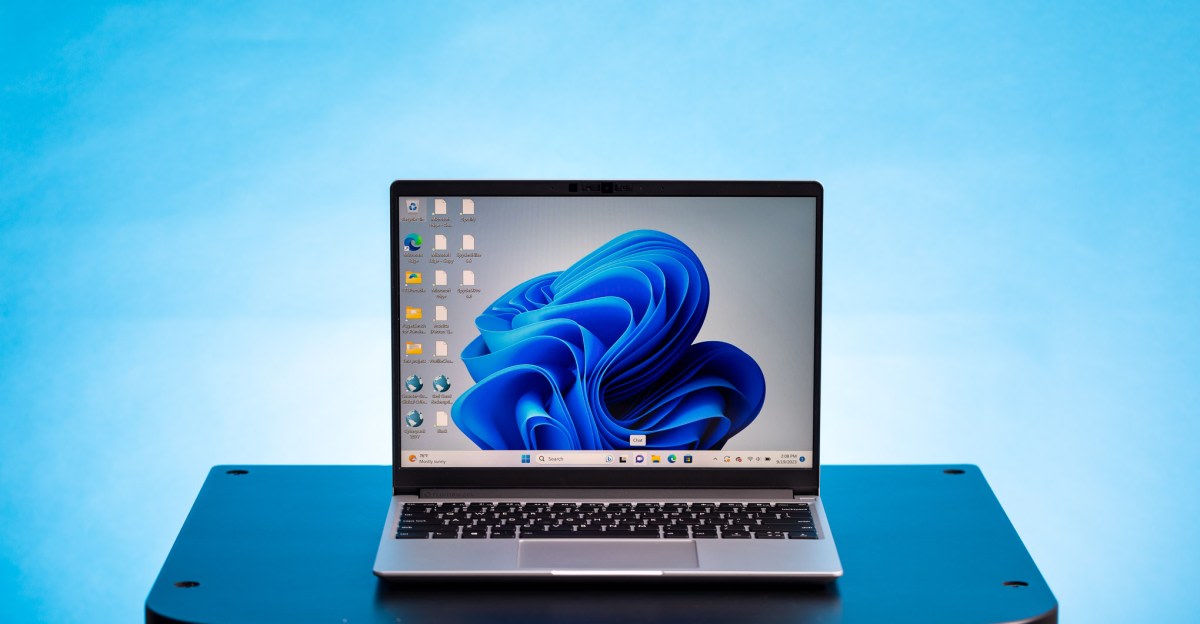
Framework is addressing a critical BIOS update issue that caused some Ryzen 7040-series laptops to become non-bootable. The company is offering replacements for affected units and developing a new 'Crisis Recovery Mode' to prevent future bricking incidents.
The Framework Laptop 13 BIOS Crisis: An Overview
Framework, a company widely celebrated for its commitment to hardware modularity and user-repairability, is currently navigating a significant technical hurdle. Reports have emerged that BIOS update version 3.20, specifically designed for the Ryzen 7040-series mainboards, has caused a subset of Framework Laptop 13 units to become non-bootable. This issue affects users across both Windows and Linux environments, highlighting the precarious nature of low-level firmware updates in modular computing architectures.
Corporate Response and Customer Support
In response to the incident, Framework has acknowledged the reports and confirmed they are investigating the root cause of the firmware failure. Demonstrating their commitment to the 'right-to-repair' philosophy, the company is not only replacing in-warranty motherboards but is also making exceptions for out-of-warranty units that can be verified as victims of the faulty update. This proactive stance is essential for maintaining the brand trust that Framework relies upon as a niche player in the laptop market.
The Technical Implications of Firmware Failures
When a BIOS update bricks a motherboard, it effectively renders the hardware a paperweight, as the Basic Input/Output System is the foundational software that initializes hardware during the boot process. For a company like Framework, where the mainboard is a modular component, such failures present a unique challenge. Unlike traditional OEMs that might force a total system replacement, Framework’s architecture allows for a more granular approach, though the logistical burden of replacing mainboards remains significant.
Introducing Crisis Recovery Mode
To mitigate the risk of future firmware-related catastrophes, Framework is actively developing and rolling out a 'Crisis Recovery Mode.' This feature is designed to provide a fail-safe path for users to recover their systems even if a BIOS update fails during the flashing process. By integrating this functionality into upcoming releases for the Framework Laptop 12, 13, and 16, the company is aiming to bridge the gap between enthusiast-grade hardware flexibility and enterprise-grade reliability.
Future Trends in Modular Computing
This incident serves as a case study for the broader modular computing industry. As users gain more control over their hardware, the burden of firmware maintenance becomes a shared responsibility between the manufacturer and the end-user. Moving forward, the implementation of robust recovery protocols will become a standard requirement for any company aiming to sustain a long-term, repair-focused ecosystem. Framework’s ability to turn this technical failure into an opportunity to improve their platform’s resilience will likely determine their long-term success in the competitive laptop market.