Why are more non-smokers getting lung cancer? Pulmonologist Dr Harshil Alwani breaks down the hidden risk factors
Source Entity
Latest News: Todays Latest News Headlines from India & World | Hindustan Times | Hindustan Times
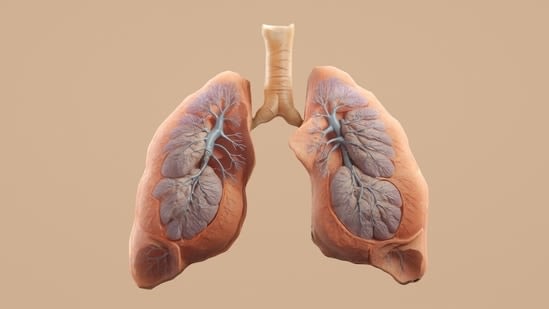
Lung cancer is increasingly affecting non-smokers, marking a significant shift in respiratory health trends. Dr. Harshil Alwani highlights that this phenomenon suggests the disease is more complex than previously understood, requiring a broader focus on non-smoking risk factors.
The Silent Rise of Lung Cancer in Non-Smokers
For decades, the medical community and the general public have operated under the firm assumption that lung cancer is primarily a consequence of tobacco consumption. This association was so strong that the diagnosis of lung cancer was almost synonymous with a history of smoking. However, recent clinical observations, as highlighted by Dr. Harshil Alwani, suggest a shifting paradigm in respiratory medicine. A substantial and growing percentage of lung cancer patients are now individuals who have never lit a cigarette, indicating that the disease is far more nuanced than previously realized.
A Global Health Challenge
If lung cancer among never-smokers were classified as a distinct disease, it would rank as one of the leading causes of cancer-related mortality globally. This statistical reality underscores the severity of the issue and mandates a re-evaluation of how we categorize and treat pulmonary malignancies. As Dr. Alwani notes, the persistence of smoking as a primary cause does not negate the alarming rise of cases in patients without traditional lifestyle risk factors, suggesting that environmental and genetic triggers may be playing a more prominent role than previously recognized.
Shifting Demographics
One of the most profound developments in modern oncology and pulmonology is the change in the demographic profile of those affected. Physicians are increasingly encountering cases in younger adults and, notably, a higher prevalence among women who have no history of smoking. This departure from historical norms is a major point of concern for experts like Dr. Alwani, who observe that these patients often lack the 'standard' risk profiles that doctors were trained to screen for in the past.
Complexity Beyond Lifestyle
The categorization of lung cancer as a 'smoker’s disease' has historically led to a lower index of suspicion among clinicians when evaluating non-smokers with respiratory symptoms. The current clinical reality, however, dictates that healthcare providers must look beyond smoking status. Because these patients often exhibit no apparent lifestyle risk factors, the diagnostic process becomes significantly more complicated, potentially leading to delayed detection and treatment.
Future Implications for Prevention and Policy
As the medical community grapples with this trend, the focus must shift toward identifying the 'hidden' risk factors that contribute to this rise. Whether these relate to indoor air quality, occupational hazards, genetic predispositions, or emerging environmental pollutants, the diagnostic gap must be closed. Moving forward, the medical field will likely need to implement more inclusive screening guidelines that do not rely solely on smoking history, ensuring that non-smokers receive timely intervention for what is clearly a burgeoning public health crisis.
Verification Required?