Rivian’s Also apologizes for delays in shipping futuristic e-bikes
Source Entity
Andrew J. Hawkins
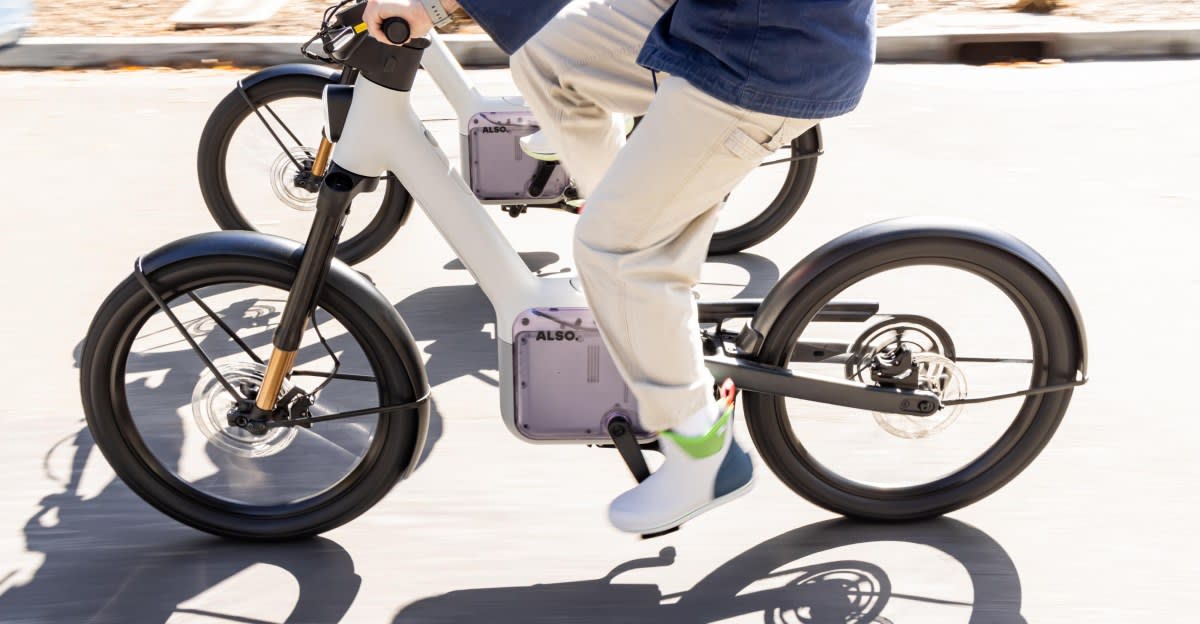
Rivian's micromobility spinoff, Also, has issued an apology following significant shipping delays for its highly anticipated TM-B electric bike. The delay is attributed to the complexities of the bike's advanced software-controlled features, which have left initial customers frustrated.
The Challenges of Innovation: Rivian's Also TM-B Delay
A Visionary Leap in Micromobility
When Rivian’s micromobility spinoff, Also, first unveiled the TM-B electric bike last year, it was met with significant industry excitement. The bike promised a departure from traditional e-bike design, boasting a unique software-controlled pedal-by-wire system, a removable seat post, and a convenient USB-C chargeable battery. This design language aimed to merge high-end consumer technology with personal transportation, positioning the TM-B as a flagship product in an increasingly crowded market.
The Complexity of Software-Defined Hardware
The core of the current controversy lies in the very features that made the TM-B stand out. By integrating a sophisticated software-controlled interface, Also attempted to redefine how riders interact with their bicycles. However, as is often the case with "first-generation" hardware that relies heavily on integrated software ecosystems, the transition from prototype to mass production is rarely seamless. The complexity required to synchronize the pedal-by-wire system with the bike's internal electronics has clearly created significant manufacturing and shipping bottlenecks.
Customer Sentiment and Brand Trust
Rivian and its spinoff, Also, have built a reputation on premium, innovative design, which naturally raises customer expectations. When a product is marketed as "futuristic," the tolerance for delays is often lower, as consumers are buying into the promise of early adoption. The recent apology issued by the company indicates a recognition that these delays are impacting brand sentiment. Maintaining customer trust during these periods of technical troubleshooting is essential for any company attempting to disrupt a legacy sector like cycling.
Broader Implications for the E-Bike Market
The situation with the TM-B serves as a case study for the broader e-bike industry. As manufacturers shift toward more software-centric architectures, they face the same growing pains that the automotive industry experienced when transitioning to electric vehicles. The reliance on specialized components and complex firmware updates means that supply chain disruptions or software bugs can stall entire product lines. This event highlights the inherent risks of prioritizing cutting-edge features over traditional, proven mechanical simplicity.
Future Outlook and Strategic Path Forward
For Also to succeed, the company must now balance its ambitious design goals with the realities of production logistics. The apology is a necessary first step, but the long-term resolution will depend on how quickly they can stabilize the software-hardware integration. If they can overcome these hurdles, the TM-B could still set a new standard for the industry. However, if these delays persist, it may force the company to rethink its reliance on highly bespoke systems in favor of more scalable, reliable technology platforms.