Rivian tops Q3 delivery expectations, reconfirms 2026 guidance
Source Entity
US Top News and Analysis
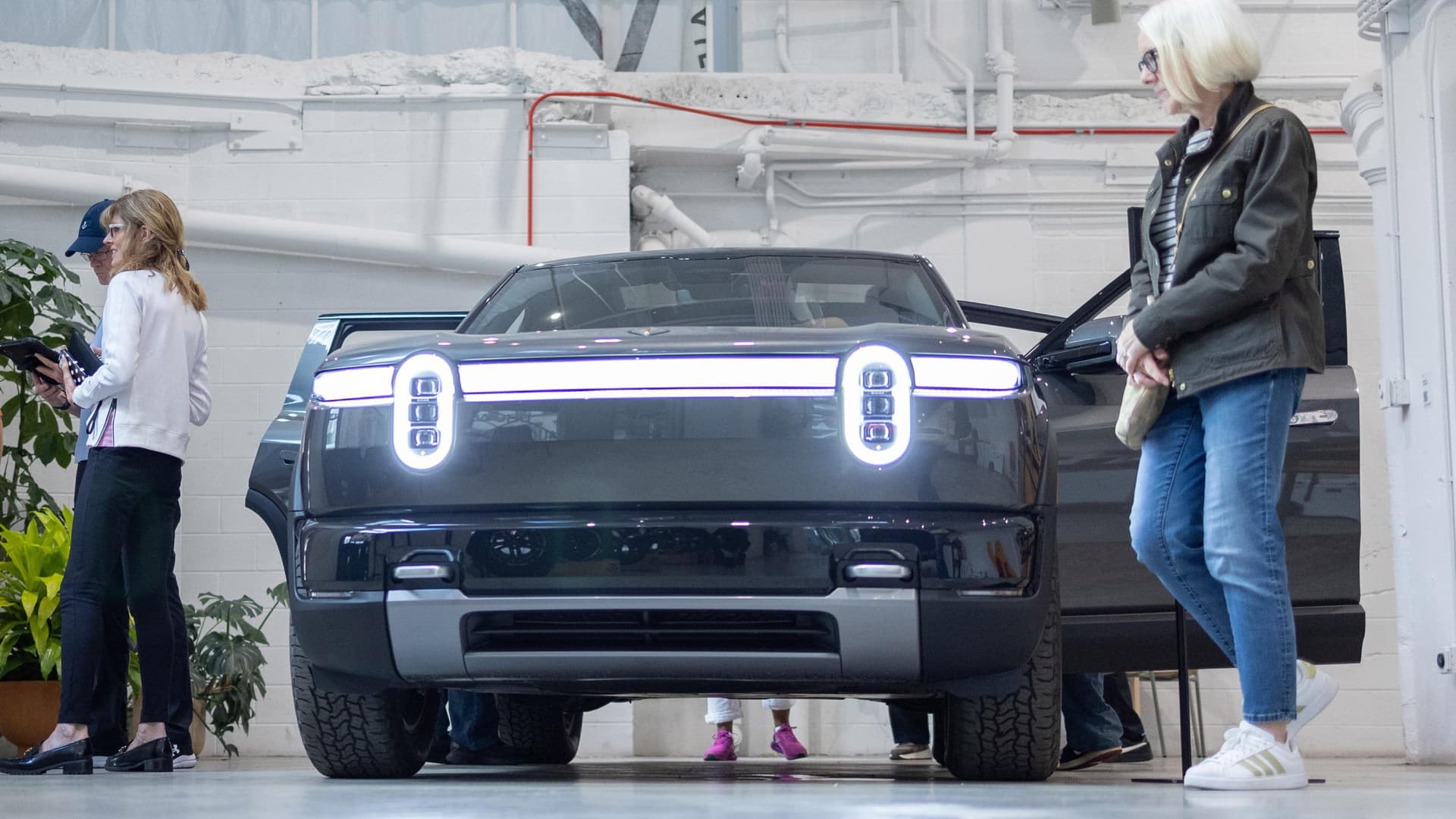
Rivian outperformed Q3 delivery expectations with a 46% year-over-year increase, maintaining its 2026 guidance despite a minor recall for its R2 SUV. Meanwhile, Tesla reported a slight decline in year-over-year sales but still surpassed Wall Street forecasts, signaling a steady recovery.
Rivian and Tesla Navigate Q3 Performance Dynamics
Rivian Automotive has demonstrated significant operational momentum, reporting a 46% year-over-year increase in vehicle deliveries for the third quarter. By delivering 19,248 units between July and September—surpassing the FactSet consensus estimate of 18,000 units—the company has solidified investor confidence. This performance serves as a critical indicator of Rivian's ability to scale production as it works toward its full-year 2026 guidance of 65,000 to 70,000 vehicles.
Strategic Importance of the R2 SUV
The R2 midsize SUV represents the cornerstone of Rivian’s strategy to transition from a niche manufacturer to a mass-market player. As the primary vehicle intended to drive the company toward long-term profitability, its successful rollout is paramount. The company has reconfirmed its 2026 delivery targets, though meeting these goals will require a sustained production ramp-up, necessitating at least a 20.5% increase in deliveries from the third to the fourth quarter.
Quality Control and Recall Challenges
Despite the positive delivery trajectory, Rivian is currently navigating the complexities of scaling production, as evidenced by a recent recall for its R2 SUV. The recall, involving approximately 14 vehicles due to improperly tightened high-voltage battery pack fasteners, highlights the inherent risks of assembly-line ramp-ups. While the company claims to have resolved the issue, this marks the second recall for the R2 model, following a previous software-based fix for the backup camera. Such incidents are critical touchpoints for a company attempting to establish brand reliability in a competitive EV market.
Tesla’s Comparative Market Position
Contrasting with Rivian’s growth, Tesla faced a year-over-year decline in third-quarter sales, largely attributed to the expiration of federal tax credits that previously incentivized consumer demand. Despite this dip, Tesla managed to outperform Wall Street estimates, suggesting that its underlying recovery remains resilient. The production of 464,391 vehicles—comprising primarily Model 3 and Model Y units along with the Cybertruck and Semi—indicates that Tesla continues to command significant market volume despite shifting regulatory incentives.
Broader Implications for the EV Sector
The divergent paths of Rivian and Tesla underscore the volatility of the current electric vehicle landscape. While Rivian is in a high-growth phase focused on proving its mass-market potential, Tesla is navigating a more mature phase defined by market saturation and changing tax landscapes. Both companies, however, are subject to the same pressures of production efficiency and quality control. Moving forward, the industry will likely focus on whether Rivian can maintain its delivery growth while minimizing costly recalls, and whether Tesla can sustain its recovery through product diversification and new model integration.
Multiple Citing Sources