Will Russian oil be economically viable for India if Trump tariffs return?
Source Entity
TOI
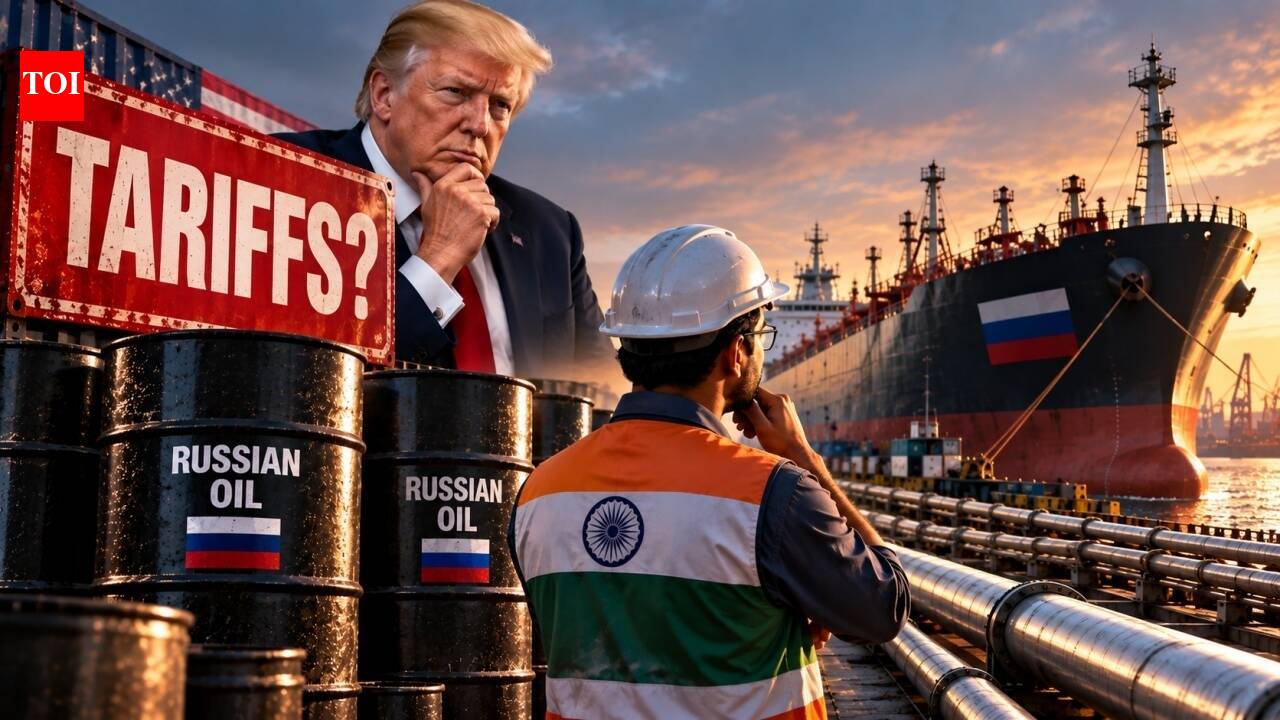
The economic viability of Indian imports of Russian crude faces new uncertainty due to potential US tariff policies. India must now weigh long-term energy security against the shifting geopolitical risks posed by the Russia Sanctions Act.
The Shifting Landscape of India's Energy Imports
For years, India’s energy strategy has been defined by a pragmatic pursuit of affordability, leading to a massive pivot toward Russian crude following the onset of the war in Ukraine. Before the conflict, Russian oil accounted for less than 2% of India’s total import basket. However, as Western nations imposed sanctions and retreated from Russian markets, Moscow offered steep discounts to maintain export volumes. These price advantages allowed Indian refiners to absorb the increased costs associated with longer supply chain logistics, fundamentally altering India’s import dependency profile.
The Economics Beyond Headline Discounts
While headline discounts have historically driven the narrative, experts Sourav Mitra and Praveen Rai emphasize that crude selection is a multifaceted decision. Refiners must account for more than just the spot price; they must factor in freight insurance, payment processing hurdles, and the specific technical requirements of processing different grades of crude. As the market matures, the initial 'discount' advantage is being tested by the reality of global logistics and the tightening of financial infrastructure surrounding Russian energy trade.
The Impact of Potential US Tariffs
Looking ahead, the potential return of aggressive US trade policies, including the implementation of new tariffs, threatens to disrupt this established trade flow. The prospect of a 'Russia Sanctions Act' introduces a layer of geopolitical risk that could render Russian crude less economically viable. If the United States imposes tariffs on products derived from sanctioned sources, the cost-benefit analysis for Indian refiners will shift dramatically, forcing them to re-evaluate the sustainability of their current supply chain reliance.
Navigating the Geopolitical Tightrope
India currently finds itself in a delicate balancing act, attempting to secure its energy needs while maintaining strategic partnerships with both Russia and the West. This balancing act is not merely about energy prices; it is about national security and economic sovereignty. The threat of secondary sanctions or punitive tariffs necessitates a more diversified import strategy, as the volatility of global politics makes over-reliance on a single, sanctioned source increasingly hazardous.
Future Trends and Strategic Outlook
In the coming years, we can expect India to aggressively pursue supplier diversification to hedge against these looming legislative risks. If the economics of Russian oil are undermined by US policy, Indian state-owned and private refiners will likely pivot toward Middle Eastern or North American suppliers to ensure long-term stability. The future of India’s energy sector will be defined by its ability to react to legislative shifts in Washington while ensuring that the cost of energy remains manageable for its rapidly expanding industrial economy.