Tesla’s recovery hits a speed bump
Source Entity
Andrew J. Hawkins
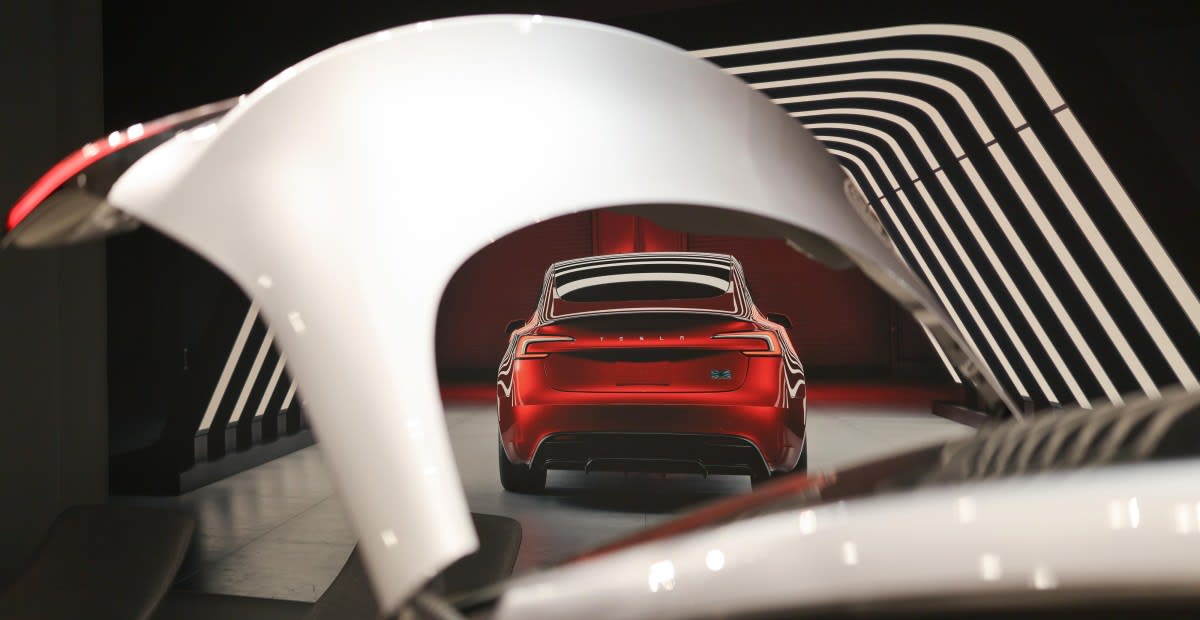
Rivian outperformed Q3 delivery expectations with a 46% year-over-year increase, maintaining its 2026 growth targets. Meanwhile, Tesla saw a slight decline in quarterly sales compared to last year but remains on a recovery trajectory, and Rivian issued a minor recall for its R2 SUV.
Rivian and Tesla Navigate Evolving EV Market Dynamics
Rivian Automotive has demonstrated significant operational momentum in the third quarter, reporting a 46% year-over-year increase in vehicle deliveries. By delivering 19,248 units between July and September—surpassing Wall Street’s consensus estimate of 18,000—the company has successfully reconfirmed its 2026 delivery guidance of 65,000 to 70,000 vehicles. This performance signals a robust demand environment for the brand, despite a challenging macroeconomic landscape for electric vehicle (EV) manufacturers.
The Path to 2026 Profitability
To meet its ambitious annual targets, Rivian faces a clear operational hurdle: it must accelerate deliveries from the third to the fourth quarter by at least 20.5%, targeting approximately 23,100 units. The R2 midsize SUV, which was previewed in Chicago earlier this year, serves as a cornerstone of this strategy. As the company’s first mass-market offering, the R2 is critical to Rivian’s broader goal of achieving long-term profitability, representing a pivot from its earlier, more premium-focused vehicle lineup.
Quality Control and Operational Challenges
As Rivian scales production, maintaining rigorous quality control remains a primary focus. The company recently issued a recall for the R2 SUV due to fasteners on the high-voltage battery pack that may not have been properly tightened, a defect that could potentially lead to power loss while driving. While this issue affects only an estimated 14 vehicles and has reportedly been resolved on the assembly line, it marks the second recall for the R2 within a short period, following a previous software-based fix for the backup camera. Such incidents underscore the complexities of ramping up production for a new vehicle platform.
Tesla's Comparative Performance
In contrast, Tesla’s Q3 performance highlights the volatility inherent in the current EV market. The company reported lower vehicle sales compared to the same period last year, a decline attributed largely to the expiration of federal tax credits that previously fueled consumer demand. Despite this year-over-year dip, Tesla managed to beat Wall Street’s quarterly estimates, suggesting that its internal recovery efforts remain on track. The company reported the production of 464,391 vehicles, with the vast majority consisting of Model 3 and Model Y units, alongside smaller volumes of the Cybertruck, Cybercab, and Tesla Semi.
Broader Industry Implications
The divergent paths of Rivian and Tesla illustrate the maturation of the electric vehicle sector. While Tesla deals with the challenges of maintaining growth in a post-subsidy environment, Rivian is focused on the difficult transition from a niche manufacturer to a high-volume player. Investors and industry analysts are closely watching these delivery figures as indicators of consumer sentiment toward EVs, especially as legacy automakers and emerging startups continue to compete for market share in the midsize SUV segment.
Concluding Outlook
Looking ahead, the ability of companies like Rivian to balance aggressive growth targets with stringent safety and quality standards will likely define their success in the coming years. While Rivian’s Q3 success provides a strong foundation for its 2026 guidance, the company must continue to navigate the logistical challenges of scaling, as evidenced by its recent recall activity. Meanwhile, Tesla’s ability to beat expectations despite external headwinds demonstrates the resilience of its established production ecosystem, setting a high bar for the rest of the industry.
Multiple Citing Sources