Global travel warnings after Iran-backed Houthi militants strike Riyadh airport
Source Entity
US Top News and Analysis
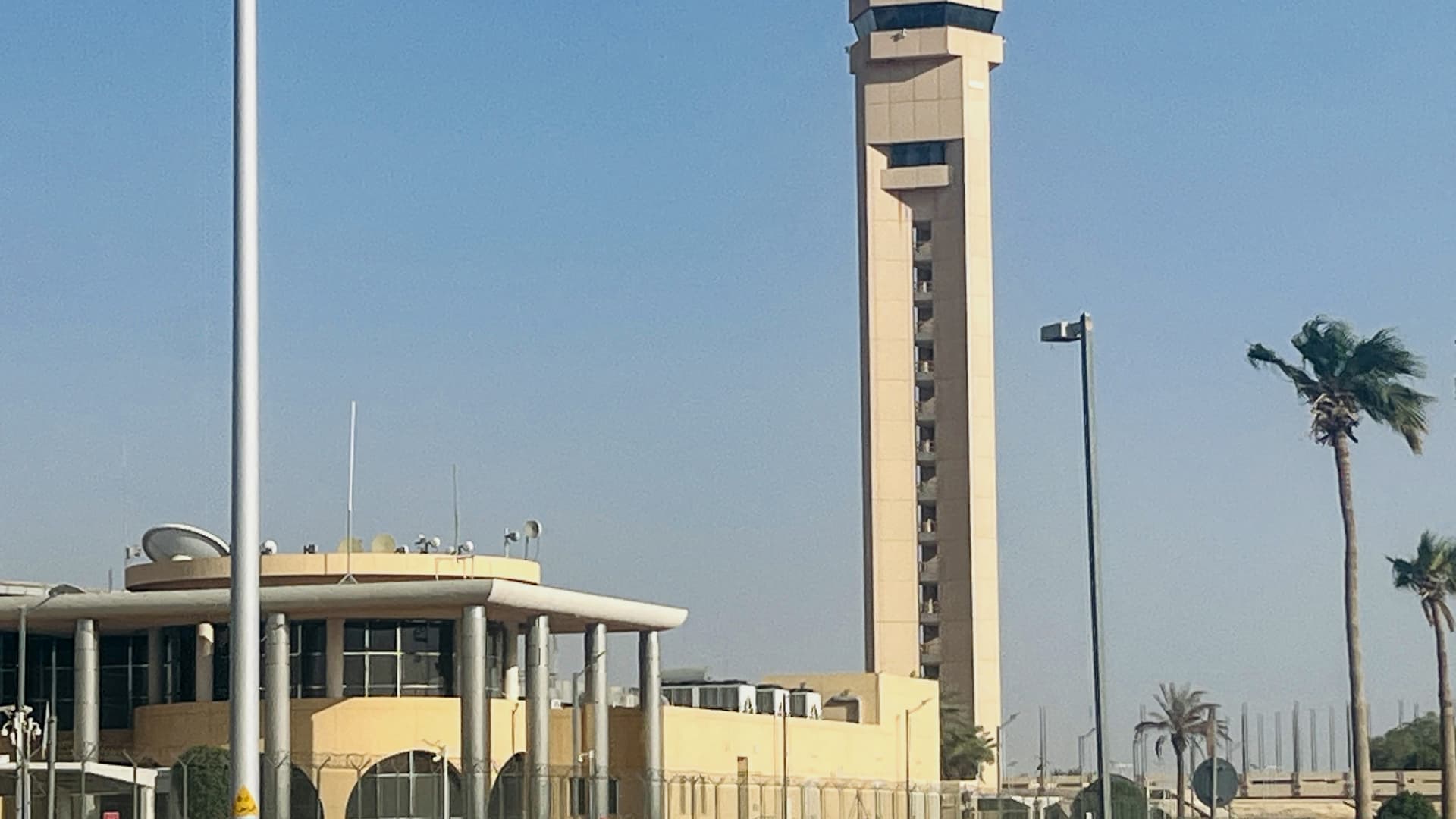
Major international travel advisories have been issued following a series of lethal Houthi militant drone and missile strikes on Riyadh's King Khalid International Airport. The attacks have resulted in significant casualties, leading to a prolonged closure of the airport and heightened security warnings for global airlines.
Escalating Tensions: The Riyadh Airport Crisis
The recent series of drone and missile strikes on King Khalid International Airport in Riyadh represents a dramatic escalation in the regional conflict involving Iran-backed Houthi militants. With at least 12 people killed and over 300 injured in the Saturday strike, and further casualties reported on Sunday, the situation has rapidly transformed from a localized security challenge into a major international aviation crisis. The persistence of these attacks, which have continued into the current week, has forced the Saudi aviation authority to suspend all operations, effectively paralyzing a key transit hub in the Kingdom.
International Response and Travel Advisories
The severity of the threat has prompted a coordinated global response, with nations including the United States, United Kingdom, Australia, New Zealand, Canada, France, Germany, and Japan issuing urgent travel warnings. These advisories discourage travel to Saudi Arabia, specifically highlighting the vulnerability of King Khalid International Airport to further projectiles. By issuing these warnings, these governments are acknowledging the high risk posed to their citizens and the broader international community as the conflict reaches deep into Saudi infrastructure.
Aviation Safety and FAA Intervention
Beyond general travel warnings, the aviation sector faces significant operational and safety hurdles. The Federal Aviation Administration (FAA) has officially cautioned U.S. airlines to exercise extreme vigilance when operating in or near Saudi airspace. This intervention highlights the gravity of the threat to commercial aviation, as drones and missiles pose unpredictable risks to passenger aircraft. Major carriers are now forced to suspend flights, disrupting global logistics and forcing airlines like Delta to reconsider their upcoming route expansion plans.
The Role of Houthi Militancy and Regional Stability
The involvement of Iran-backed Houthi militants in these strikes underscores the volatile nature of the proxy warfare occurring in the region. By targeting a primary international airport, the militants have shifted their tactics toward disrupting civilian life and international commerce, rather than exclusively targeting military installations. This strategic shift serves to escalate the pressure on the Saudi-led coalition, which remains engaged in efforts to intercept incoming drones and missiles even as the airport remains evacuated.
Future Trends and Security Implications
Looking ahead, the long-term impact of these attacks will likely be felt in the tightening of regional security protocols and a potential cooling of international business travel to the Kingdom. As the Saudi government works to restore order and secure its airspace, the reliance on advanced surveillance and defense systems will become increasingly critical. The international community is now tasked with balancing diplomatic pressure on state sponsors of these militants against the urgent need to ensure the safety of global travelers and the continuity of regional air traffic.
Multiple Citing Sources