NIA to probe ‘larger conspiracy’ in mid-air attack on pilot Smit Machchhar
Source Entity
Mahender Singh Manral
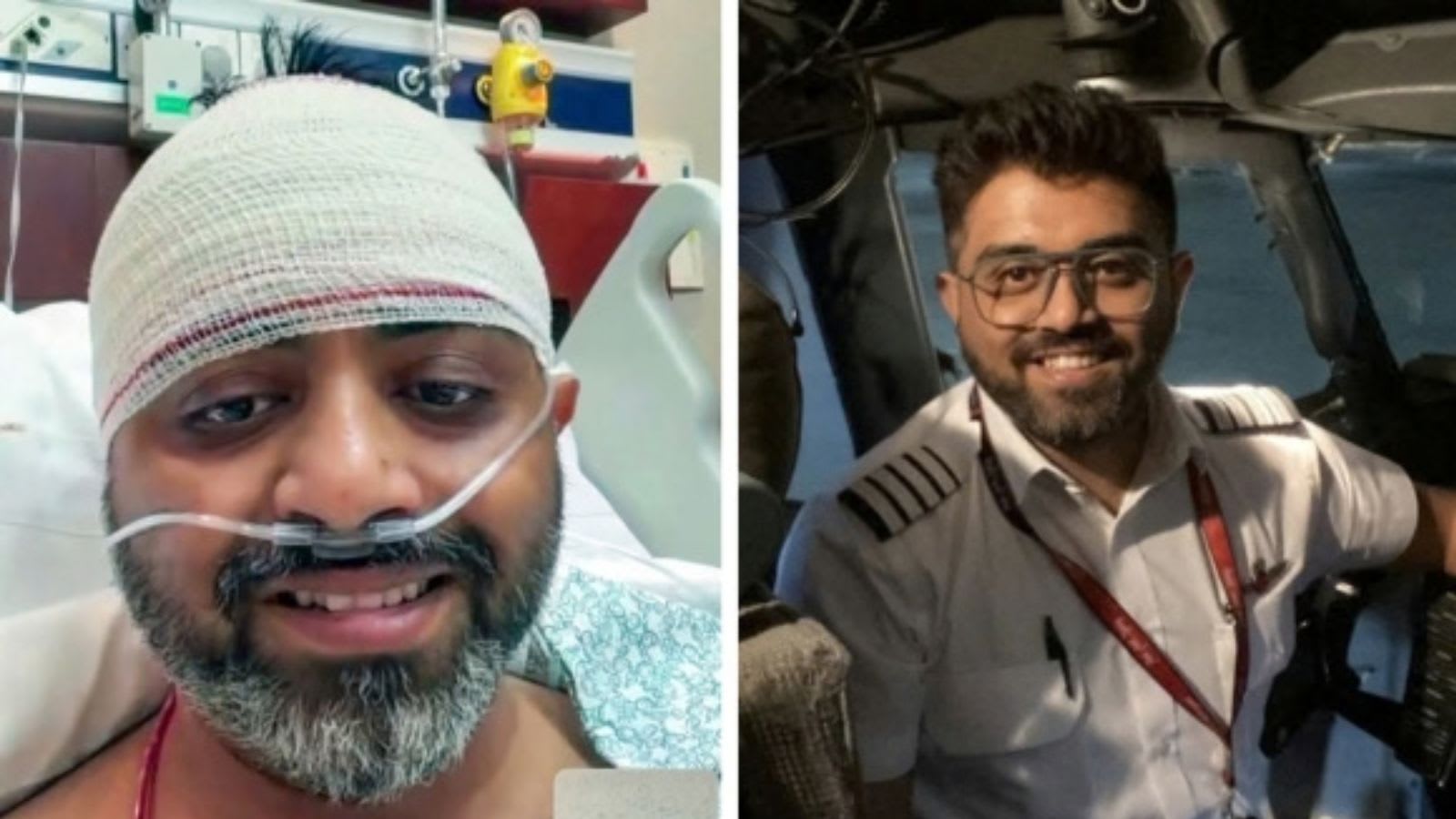
The National Investigation Agency (NIA) has launched a probe into the September 30 mid-air attack on Indian pilot Captain Smit Machchhar. The investigation into the incident, which occurred on a flydubai flight, is being conducted under the Anti-Hijacking Act and the UAPA.
Investigation Launched into Mid-Air Cockpit Assault
The National Investigation Agency (NIA) has officially registered a case to probe the harrowing attack on Indian pilot Captain Smit Machchhar, which occurred on September 30, 2026. The incident took place aboard flydubai flight FZ1073 during its transit from Dubai to Tel Aviv. According to official reports, the captain was subjected to a violent stabbing by his co-pilot, an Omani national, while inside the cockpit, an act that authorities suspect was a deliberate attempt to hijack or crash the aircraft.
Legal Framework and Agency Involvement
Following directives from the Centre, the NIA registered the case on October 9 under the National Investigation Agency Act, 2008. The legal framework applied to this investigation is exceptionally stringent, involving the Anti-Hijacking Act, 2016, and the Unlawful Activities (Prevention) Act, 1967 (UAPA). The invocation of these specific laws signals the government’s view that the incident transcends a mere criminal assault, potentially involving a larger conspiracy with significant national and international security ramifications.
Heroic Response and Emergency Protocol
Despite sustaining multiple stab wounds, Captain Machchhar displayed remarkable composure and bravery. Reports indicate that he managed to open the cockpit door to facilitate assistance, which was critical in preventing the potential catastrophe. The immediate aftermath saw the flight perform an emergency landing in Tabuk, Saudi Arabia, where Captain Machchhar was provided with urgent medical treatment for his injuries.
The Scope of the 'Larger Conspiracy'
By invoking the UAPA, the NIA is signaling an intent to look beyond the immediate actions of the co-pilot. The investigation aims to determine if there were external handlers, extremist influences, or coordinated efforts behind the attack. The fact that the flight was operating a route between Dubai and Tel Aviv adds a layer of geopolitical complexity, leading the Indian government to prioritize a deeper forensic and intelligence-led inquiry into the motives of the perpetrator.
Broader Implications for Aviation Security
This incident highlights critical vulnerabilities in cockpit security and crew vetting processes. The prospect of a rogue pilot attempting to down an aircraft poses a profound threat to global aviation safety standards. As the NIA continues its probe, the aviation industry will likely face renewed scrutiny regarding the psychological screening of flight deck crew and the physical protocols governing cockpit access during international flights.
Future Outlook and Conclusion
The NIA's involvement ensures that the investigation will be comprehensive, examining digital footprints, communication logs, and the background of the accused co-pilot. As this case progresses, it will likely serve as a landmark study for aviation security agencies worldwide. The international community will be watching closely as Indian authorities seek to uncover the full extent of this conspiracy to ensure such a breach of safety is never repeated.
Multiple Citing Sources