Romanchakam review: A messy love story that’s frustrating to watch
Source Entity
Yashaswini Sri
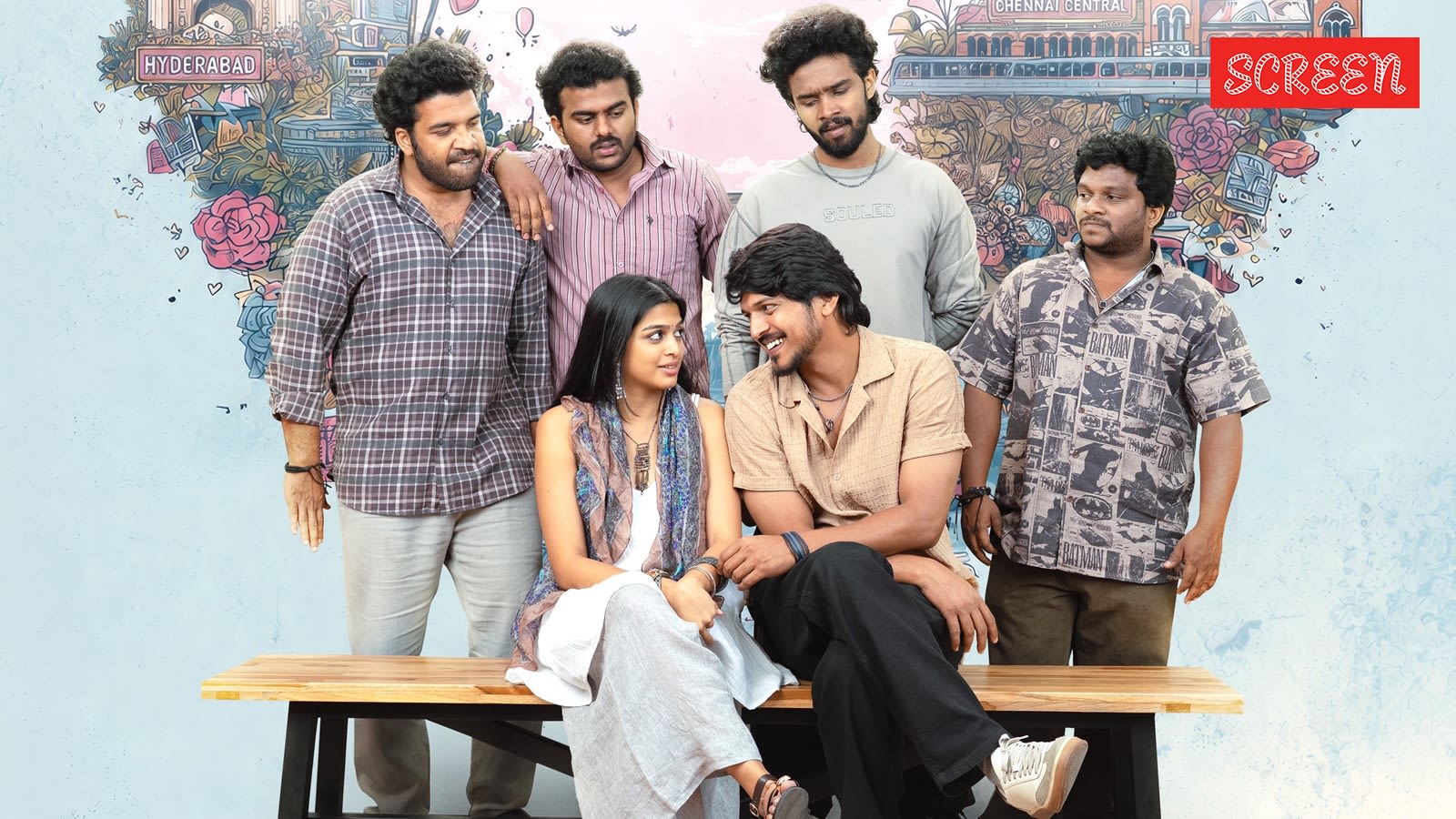
The film Romanchakam attempts a modern take on romance but struggles with narrative consistency. While the lead performances are praised, the disconnect between character chemistry and plot execution hinders the overall experience.
A Critical Look at Romanchakam: The Balance of Modern Romance
The Chemistry Conundrum
The core success of any contemporary romantic drama rests on the palpable authenticity between its leads. In Romanchakam, the film attempts to capture a 'real' connection that transcends typical cinematic tropes—moving away from orchestrated musical cues toward a more grounded, relatable dynamic. Sumanth Prabhas and Ananthika Sanilkumar manage to breathe life into their respective characters, Anvesh and Mythili, providing the film with its most compelling moments. When the narrative focuses on their interpersonal bond, the audience is treated to a genuine portrayal of modern affection that feels rooted in today's social reality.
Narrative Disconnects and Structural Weakness
However, the film faces significant challenges when the plot shifts focus away from the central romance. As the story follows Anvesh, a young engineering graduate navigating the pressures of running a startup in Hyderabad, the narrative begins to stumble. The transition from intimate character moments to the broader, chaotic plot points creates a jarring experience for the viewer. This friction suggests that while the director successfully captured the spark of a relationship, the surrounding narrative structure lacks the cohesion necessary to sustain that momentum.
The Startup Backdrop
By placing the protagonist in the high-stress environment of a Hyderabad-based startup, the film attempts to inject a sense of modern urgency into the romantic framework. This setting is intended to reflect the professional aspirations and anxieties of contemporary youth. Yet, the film struggles to integrate these professional stakes with the romantic arc effectively. The 'messiness' described in the critique highlights a failure to harmonize these two distinct worlds, leaving the audience feeling frustrated as the plot mechanics often override the emotional core.
Historical Context in Regional Cinema
This struggle is not unique to Romanchakam; many modern regional films attempt to bridge the gap between 'slice-of-life' romance and high-stakes drama. Historically, cinema that relies on the strength of a lead pair often risks losing its audience when the script fails to provide an equally compelling secondary plot. By isolating the romance from the chaos, the film creates a structural divide that ultimately undermines its potential to be a cohesive cinematic experience.
Concluding Thoughts
Ultimately, Romanchakam serves as a case study in the importance of narrative integration. While the performances of Sumanth Prabhas and Ananthika Sanilkumar are undeniably strong, the film’s inability to reconcile its romantic aspirations with its chaotic plot trajectory remains its most persistent weakness. For viewers seeking a purely character-driven experience, the film offers moments of brilliance; however, for those expecting a tightly wound story, the experience may prove more frustrating than rewarding.