Fighter jets help destroy Russian drone boat near European offshore gas platform
Source Entity
Jeremy Hsu
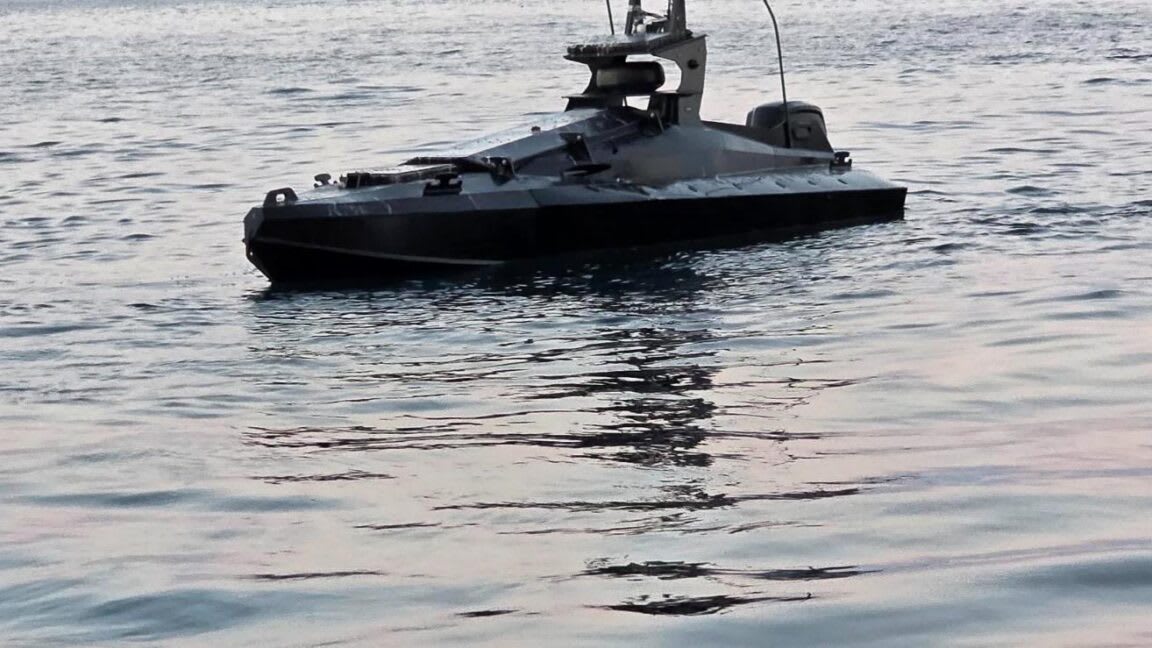
Romania successfully neutralized an explosive-laden Russian marine drone near the strategic Neptun Deep gas project in the Black Sea. The incident highlights the growing threat to critical energy infrastructure as regional tensions escalate.
Escalating Maritime Threats in the Black Sea
The recent deployment of Romanian F-16 fighter jets to neutralize a Russian marine drone near the Neptun Deep gas project marks a significant escalation in the security challenges facing European energy infrastructure. By using precision aerial maneuvers and cannons to disable the explosive-laden vessel, the Romanian military prevented a potentially catastrophic event that could have endangered the lives of hundreds of workers currently involved in the platform's installation.
The Strategic Importance of Neptun Deep
Neptun Deep is not merely a regional project; it is a cornerstone of European energy independence. Once fully operational in 2027, the site is projected to make Romania the largest natural gas producer within the European Union. This status makes the facility a high-value target for disruption, as regional actors seek to exert pressure on European energy markets and undermine the continent's efforts to diversify its supply away from traditional sources.
Patterns of Cross-Border Aggression
The presence of this drone follows a troubling pattern of incidents where the ongoing conflict in Ukraine has spilled into Romanian airspace and territorial waters. Weeks prior, the Romanian Air Force engaged a Russian drone within its sovereign airspace, signaling that the Black Sea has become a contested zone where the distinction between active combat and regional security is increasingly blurred. These incursions demonstrate a deliberate testing of NATO's eastern flank.
Implications for Critical Infrastructure
This incident highlights the inherent vulnerability of offshore energy projects to asymmetric warfare. Unlike land-based facilities, offshore platforms are difficult to defend against small, agile maritime drones that can carry significant explosive payloads. The necessity of using advanced fighter jets to intercept these threats underscores the high cost and complexity of securing vital energy assets in a volatile geopolitical climate.
Future Trends in Regional Security
Looking ahead, Romania and its NATO allies will likely be forced to intensify surveillance and military readiness along the Black Sea coastline. The reliance on advanced aerial assets like the F-16 to counter maritime threats suggests a new doctrine of integrated defense where air and sea domains are treated as a single, unified theater of operations. As energy security becomes synonymous with national security, the protection of projects like Neptun Deep will remain a top priority for the European defense architecture.
Multiple Citing Sources