Ronaldo punished for Portugal walkout: Suspension and fine after clash with coach
Source Entity
HIJAM RAJU SINGH
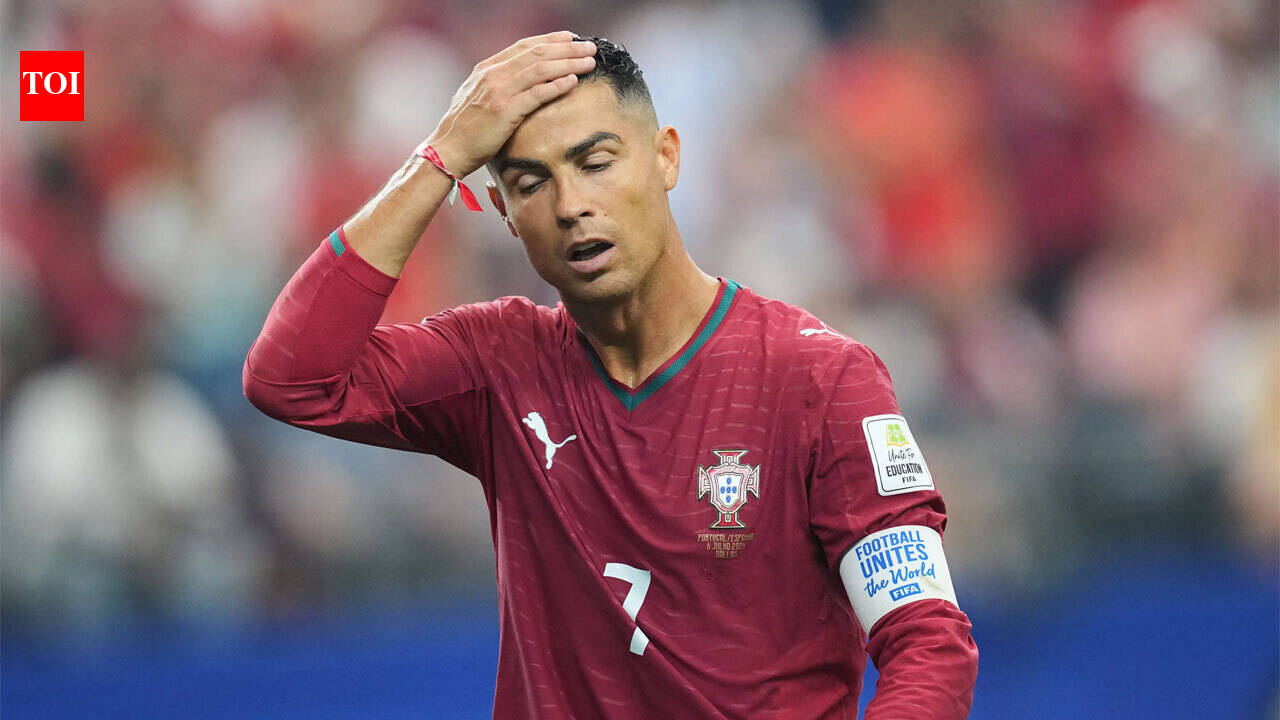
Cristiano Ronaldo has received a 30-day suspension and a fine from the Portuguese Football Federation following a walkout during the Nations League. The veteran forward admitted to the wrongdoing and is expected to return for the upcoming fixture against Denmark.
The Fallout of Discipline: Analyzing the Ronaldo-Portugal Rift
A Conflict of Expectations
The recent disciplinary action taken against Cristiano Ronaldo by the Portuguese Football Federation (FPF) highlights a significant fracture in the relationship between the nation’s most storied player and the coaching staff. The disagreement, which centered on playing time and the assurances provided by coach Jorge Jesus during the Nations League campaign, reflects the inherent tensions that arise when legendary players face the realities of squad rotation and tactical shifts. By walking out of the national team camp, Ronaldo chose a path of protest that ultimately necessitated formal intervention by the federation.
The Disciplinary Verdict
In response to the incident, the FPF issued a 30-day suspension and a fine of €255. While the monetary penalty is largely symbolic for a global superstar, the suspension serves as a critical measure of accountability. The federation’s decision to label the punishment as “adequate and sufficient” suggests a desire to maintain institutional authority while acknowledging the player's historical contributions to the national team. Crucially, the process was expedited by Ronaldo’s formal admission of wrongdoing, a move that likely mitigated a more severe or prolonged exclusion.
Institutional Integrity vs. Individual Legacy
This event underscores the challenge that football federations face in balancing the presence of iconic figures with the need for team cohesion. When a player of Ronaldo's stature deviates from team protocols, it creates a ripple effect that can destabilize the squad during high-stakes tournaments like the Nations League. The FPF’s firm response signals that the federation prioritizes the structural integrity of the team over the individual, ensuring that established hierarchies remain intact regardless of a player's past accolades.
The Role of Admission and Rehabilitation
The fact that Ronaldo’s clean disciplinary record was factored into the FPF’s decision is telling. It demonstrates a restorative approach to player management rather than a purely punitive one. By admitting to the facts, the 41-year-old forward has effectively cleared the path for his reintegration into the squad. This admission serves as a bridge, allowing both the player and the coaching staff to move past the public rift without further damaging the team's morale or focus.
Future Outlook and Return
As the sports world looks toward the upcoming match against Denmark, the focus shifts to how this brief exile will impact the team's dynamics. Ronaldo is expected to return to the fold, and his ability to integrate back into Jorge Jesus’s tactical framework will be a primary storyline for fans and analysts alike. This episode will likely serve as a case study in modern football management, demonstrating how even the most decorated athletes must navigate the constraints of team discipline to remain relevant in a competitive international environment.