Rosebank: Life on the oil field at the centre of a political storm
Source Entity
BBC News
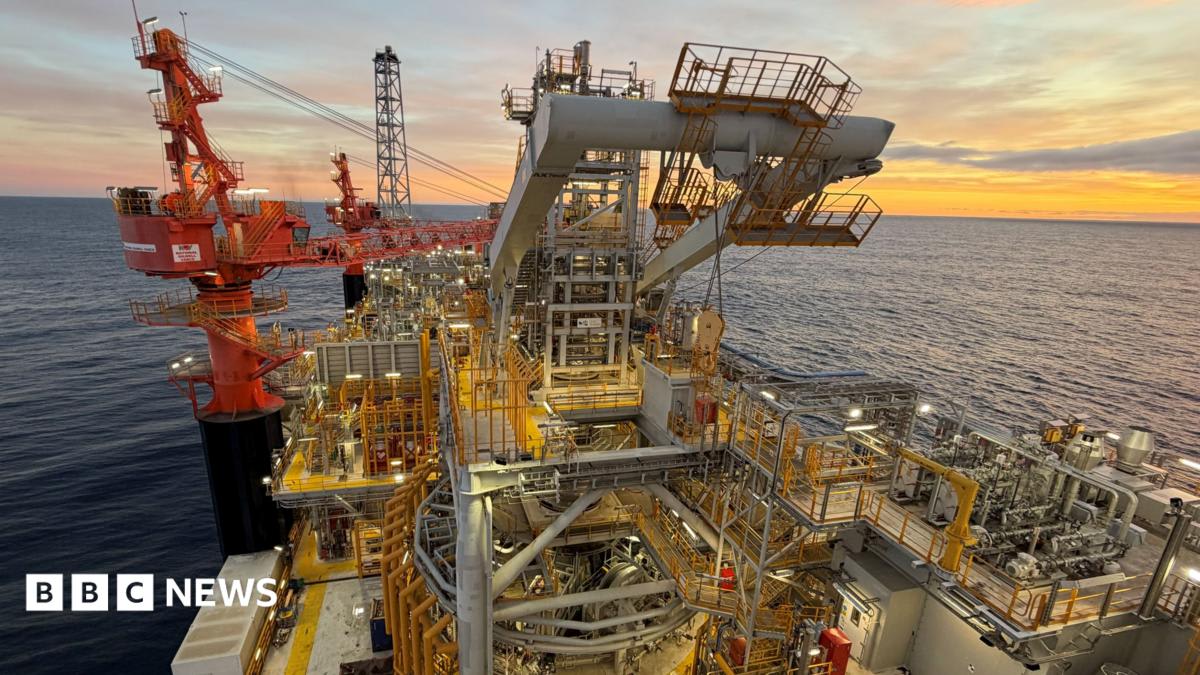
The Rosebank oil field has emerged as a focal point of UK energy policy following the approval of the Jackdaw field. The project faces intense scrutiny due to its potential economic gains versus significant environmental implications.
The Strategic and Environmental Crossroads of Rosebank
The Rosebank oil field, situated in the volatile expanse of the North Atlantic, has transformed from a remote industrial site into a primary focal point of the United Kingdom's ongoing energy debate. As the nation grapples with its transition toward renewable energy, the sheer scale of the Rosebank project—which significantly eclipses the recently approved Jackdaw field in both size and potential output—places it at the epicenter of a complex political storm.
The Shadow of Jackdaw and Future Policy
Recent government approval for gas production at the Jackdaw field has served as a catalyst, shifting the spotlight toward the next major decision facing Energy Secretary Miatta Fahnbulleh. While Jackdaw represents the current legislative climate regarding North Sea extraction, Rosebank is widely viewed as a more consequential test case. The decision-making process here is not merely about energy security; it is a barometer for how the current administration intends to balance short-term economic interests with long-term climate commitments.
Economic Potential vs. Environmental Cost
At the heart of the controversy are the stakeholders, Adura and Ithaca, who stand to gain significantly from the project's development. Rosebank is projected to be far more lucrative than its predecessors, promising substantial financial returns for its owners. However, these profits are directly countered by the project's projected greenhouse gas emissions. The environmental impact of Rosebank is a central pillar of the opposition's argument, framing the field as a climate liability that contradicts international environmental goals.
The North Atlantic Operational Reality
Life on the oil field, as observed by those on the ground, remains a stark contrast to the abstract political debates occurring in London. Operating in the wild and windy conditions of the North Atlantic requires immense industrial fortitude. For the workers on board, the political uncertainty surrounding the field's fate adds a layer of professional instability to an already challenging environment, where the rhythm of extraction is dictated as much by the weather as it is by the policy decisions of the state.
Broader Implications for UK Energy
The resolution of the Rosebank case will likely set a precedent for all future North Sea exploration. Should the government move forward, it signals a continued reliance on fossil fuel extraction to bridge the gap in the national energy transition. Conversely, a denial would represent a major victory for environmental advocates and could fundamentally alter the investment landscape for energy firms like Adura and Ithaca, potentially accelerating a shift in capital toward greener alternatives.
Conclusion
Ultimately, Rosebank is more than just an oil field; it is a litmus test for the UK’s energy strategy. As the political storm intensifies, the decision facing the government serves as a microcosm of the global struggle to reconcile economic prosperity with the urgent necessity of decarbonization. The path forward remains precarious, caught between the realities of industrial demand and the escalating pressures of climate change.