PM warned Rosebank oil field could breach West Bank sanctions
Source Entity
BBC News
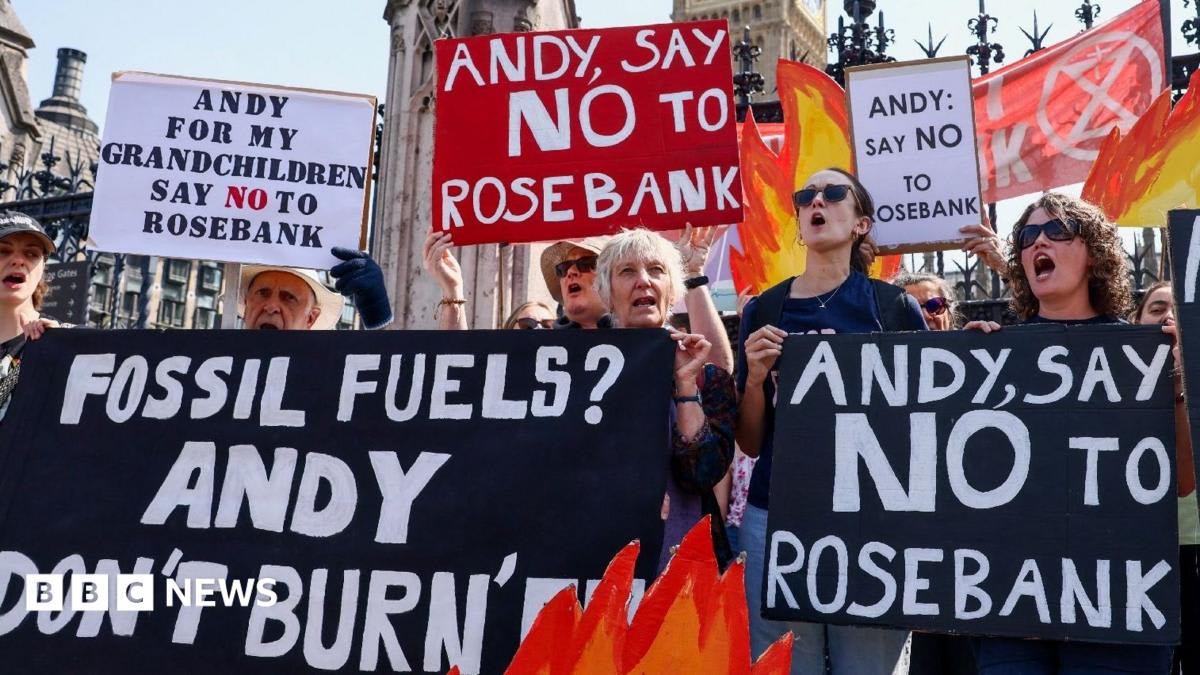
The UK government faces pressure over the Rosebank oil field project due to its developer's alleged ties to Israeli settlements. Campaigners argue that proceeding with the project could violate existing sanctions policy regarding the West Bank.
The Rosebank Dilemma: Energy Policy Meets International Law
The UK government is currently navigating a complex intersection of energy security and international human rights obligations as it weighs the approval of the Rosebank oil field. Located off the coast of Shetland, Rosebank represents Britain’s largest untapped oil reserve, a project that has become a flashpoint for environmentalists and political critics alike. The controversy has deepened following warnings that the project’s development could potentially contravene the government’s own sanctions policy concerning illegal Israeli settlements in the West Bank.
The Role of Delek Group and UN Sanctions
At the heart of this controversy is the involvement of the Delek Group, an Israeli company with an stake in the Rosebank project. The scrutiny stems from the company's inclusion in a United Nations database of firms identified as providing services or utilities that support settlements in occupied Palestinian territories. This connection has provided a legal and moral basis for campaigners to challenge the project, arguing that state-sanctioned involvement with entities linked to these settlements is inconsistent with the UK’s stated foreign policy and commitment to international law.
Political Pressure and Institutional Scrutiny
Green Party leader Zack Polanski, alongside various environmental advocacy groups, has taken formal action by writing to high-ranking officials, including the Foreign Secretary and Andy Burnham. These communications aim to force a re-evaluation of the project's viability not just on environmental grounds, but on the grounds of ethical compliance. By framing the issue through the lens of existing sanctions, critics have effectively escalated the debate from a localized environmental concern to a matter of national integrity and international legal adherence.
Potential Legal and Ethical Complications
The government’s dilemma is compounded by the explicit nature of its own sanctions regime. If the UK proceeds with approving a major infrastructure project involving a firm linked to activities that the government officially condemns via sanctions, it risks creating a glaring policy contradiction. This dissonance could invite legal challenges or diplomatic friction, forcing the government to decide whether the economic benefits of tapping into domestic oil reserves outweigh the risks of appearing to undermine its own foreign policy mandates.
The Future of UK Energy and Policy Consistency
As the decision on Rosebank looms, the government is caught between the necessity of energy independence and the imperative of maintaining a coherent human rights stance. While a spokesperson for the Delek Group has claimed that the company no longer maintains the involvements that led to its UN listing, the burden of proof remains high in the eyes of the public and political opponents. This case serves as a critical test for how the UK will balance its industrial ambitions with its international obligations in an increasingly transparent and interconnected global market.