US park ranger survived seven lightning strikes between 1942 and 1977
Source Entity
TOI WORLD DESK
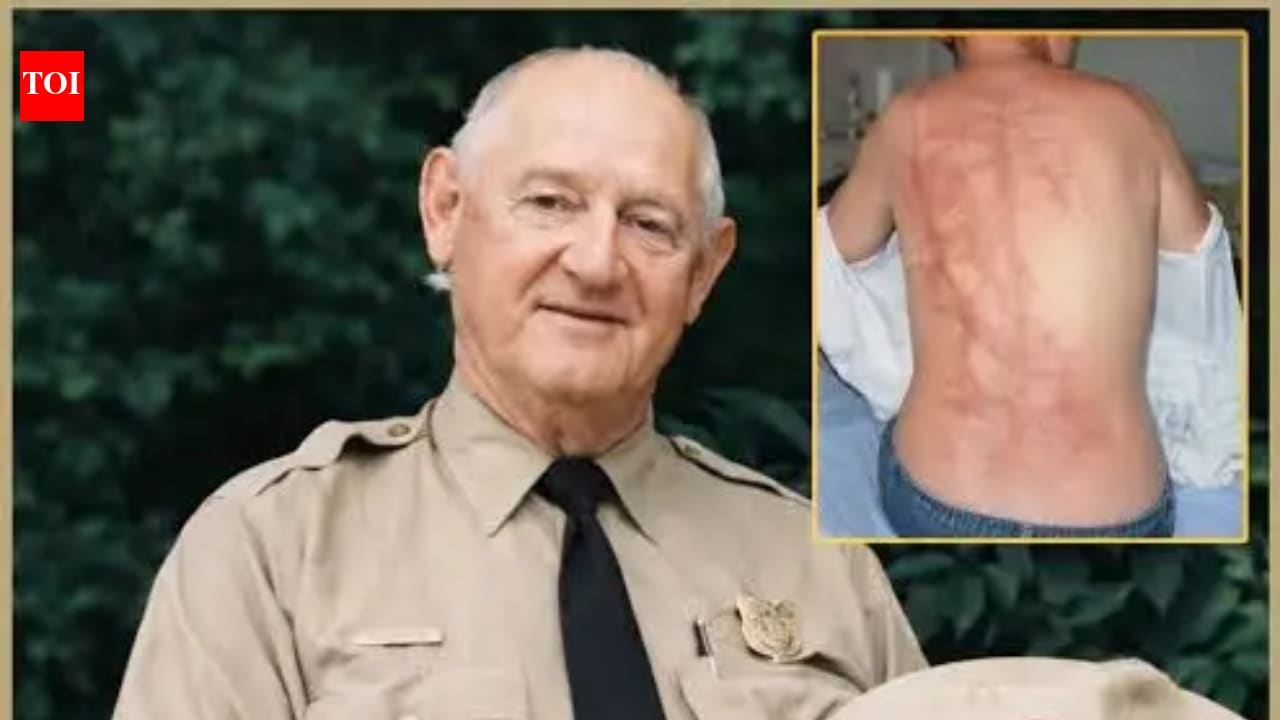
Roy Sullivan, a Shenandoah National Park ranger, holds the Guinness World Record for surviving seven separate lightning strikes between 1942 and 1977. Despite skepticism regarding the lack of eyewitnesses, his story remains a unique and legendary case of human resilience against rare natural phenomena.
The Unparalleled Survival of Roy Sullivan
Roy Sullivan, a dedicated park ranger at Shenandoah National Park, occupies a singular place in the annals of human survival. Over a period spanning thirty-five years, from 1942 to 1977, Sullivan reported being struck by lightning on seven distinct occasions. This extraordinary sequence of events earned him the title of the 'Human Lightning Rod' and secured his place in the Guinness World Records for the most lightning strikes survived by a single individual, a record that stands to this day.
A Lifetime of Atmospheric Encounters
Working as a park ranger in the mountainous terrain of Virginia placed Sullivan in frequent proximity to volatile weather systems. The geography of Shenandoah National Park often experiences sudden meteorological shifts, which historically elevated the risk for those patrolling its expanse. Sullivan’s reported encounters with lightning were not merely brushes with danger; they resulted in numerous documented injuries, necessitating consistent medical attention and cementing his reputation within the park service as an individual uniquely targeted by the elements.
Skepticism and the Lack of Corroboration
Despite the official recognition of his record, the narrative of Roy Sullivan has historically been met with a degree of healthy skepticism. A primary factor contributing to this doubt is the notable absence of independent, third-party eyewitness accounts for the majority of his seven strikes. Because many of these incidents occurred while Sullivan was patrolling isolated areas of the park, the burden of verification relied almost exclusively on his own testimony and the physical evidence left behind on his person or equipment.
The Nature of Statistical Anomalies
From a meteorological and statistical standpoint, the probability of one individual being struck by lightning seven times is infinitesimally small. While lightning strikes are a significant environmental hazard, the frequency reported by Sullivan exceeds standard actuarial expectations for any single human life. This statistical outlier status is precisely what fueled the public intrigue that followed him throughout his career and into his retirement, transforming him into a curious figure of American folklore.
Legacy and Conclusion
Following his retirement, Sullivan lived until 1983, when he passed away at the age of 71. His legacy is one of endurance, serving as a reminder of the raw, unpredictable power of nature and the limits of human survival. While the scientific community may continue to debate the circumstances surrounding his claims, the story of Roy Sullivan remains an unmatched chapter in history, illustrating the strange intersection between human life and the capricious nature of the atmosphere.