The gaps in the implementation of the RTI Act
Source Entity
India Latest News: Top National Headlines Today & Breaking News | The Hindu
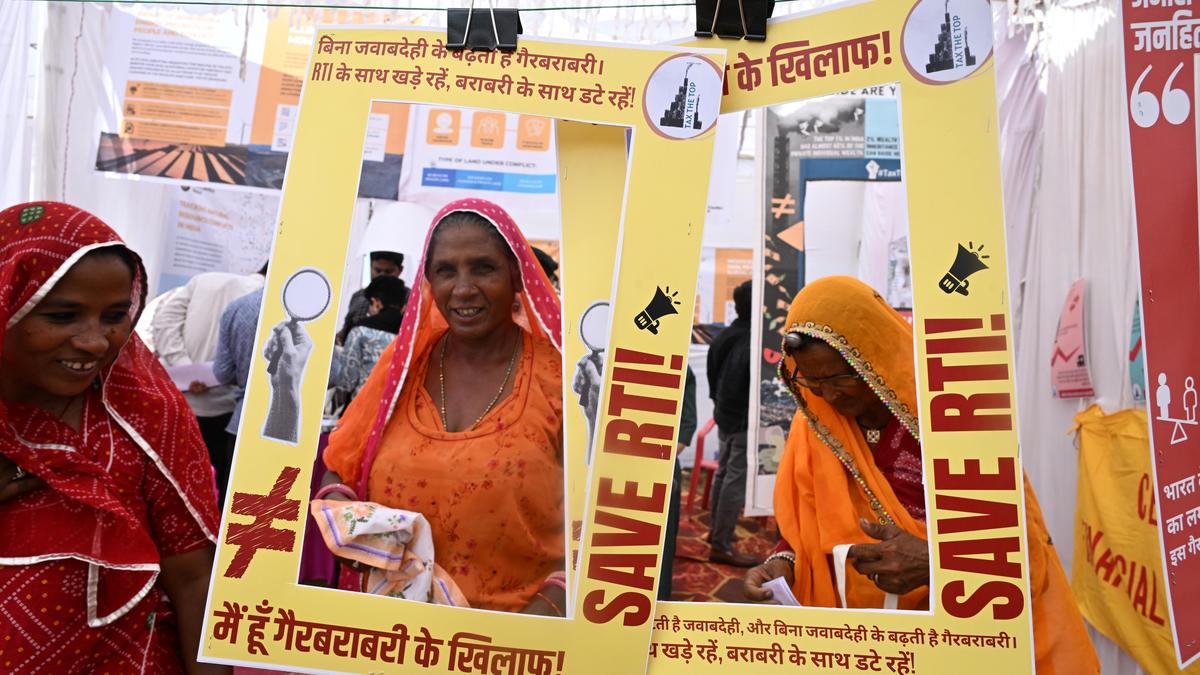
The RTI Act faces significant implementation hurdles as public authorities fail to meet mandatory suo motu disclosure requirements. Despite its 21-year history, the shift toward a 'right to deny' information threatens the transparency framework envisioned by the legislation.
The RTI Act at 21: A Legacy of Transparency Under Threat
As the Right to Information (RTI) Act reaches its 21st anniversary, the legislative framework stands at a critical juncture. Designed as a cornerstone of Indian democracy, the Act was intended to empower citizens by providing a mechanism to hold public authorities accountable. However, the current landscape reveals a growing disconnect between the statutory mandate and the operational reality, particularly regarding the proactive disclosure requirements that were meant to minimize the need for individual RTI filings.
The Failure of Section 4: A Mandate Ignored
At the heart of the crisis is the systematic neglect of Section 4 of the RTI Act. This section serves as the bedrock of transparency, requiring public authorities to disclose 16 specific categories of information—ranging from administrative contact details to detailed budgetary expenditures—without waiting for a formal request. The failure to maintain these disclosures on government websites forces citizens into a cycle of filing repetitive requests for basic, non-sensitive data that should be inherently public, thereby clogging the system and burdening the Information Commissions.
The Shift Toward a Culture of Denial
Expert analysis suggests that the implementation of the Act has drifted from a 'right to know' toward a concerning 'right to deny.' Rather than serving as a tool for public empowerment, the administrative machinery often treats information requests with suspicion. This bureaucratic resistance is compounded by the lack of adherence to the Department of Personnel and Training (DoPT) guidelines, which were established to broaden the scope of transparency across eight additional categories of government functioning.
Implications for Democratic Governance
When public authorities fail to disclose budgetary and operational information, the broader implication is a erosion of trust between the state and the citizenry. The lack of proactive transparency undermines the very accountability mechanisms the RTI Act sought to institutionalize. Without clear, accessible data, citizens are unable to participate meaningfully in the governance process, allowing for potential inefficiencies and lack of oversight to persist within public departments.
Future Trends and Necessary Reforms
Moving forward, the sustainability of the RTI Act depends on a fundamental shift in institutional culture. For the Act to fulfill its original promise, there must be stricter enforcement of Section 4 compliance. Future trends likely point toward a need for digital auditing of government websites to ensure that the mandated 16 categories of information are updated in real-time. Without such reforms, the RTI Act risks becoming a hollow instrument, increasingly sidelined by an administrative culture that prioritizes secrecy over openness.
Conclusion
In conclusion, while the RTI Act has been a monumental achievement in the history of Indian governance, its 21st year serves as a stark reminder of the work that remains. The transition from a reactive model to a truly transparent, proactive disclosure model is essential. Only by revitalizing the spirit of Section 4 can the state ensure that the 'Right to Information' remains a vibrant and effective instrument of democratic accountability.
Verification Required?