US sanctions inflicting ‘extraordinary economic pain’ on Iran, no need for major combat ops: Rubio
Source Entity
Latest News: Todays Latest News Headlines from India & World | Hindustan Times
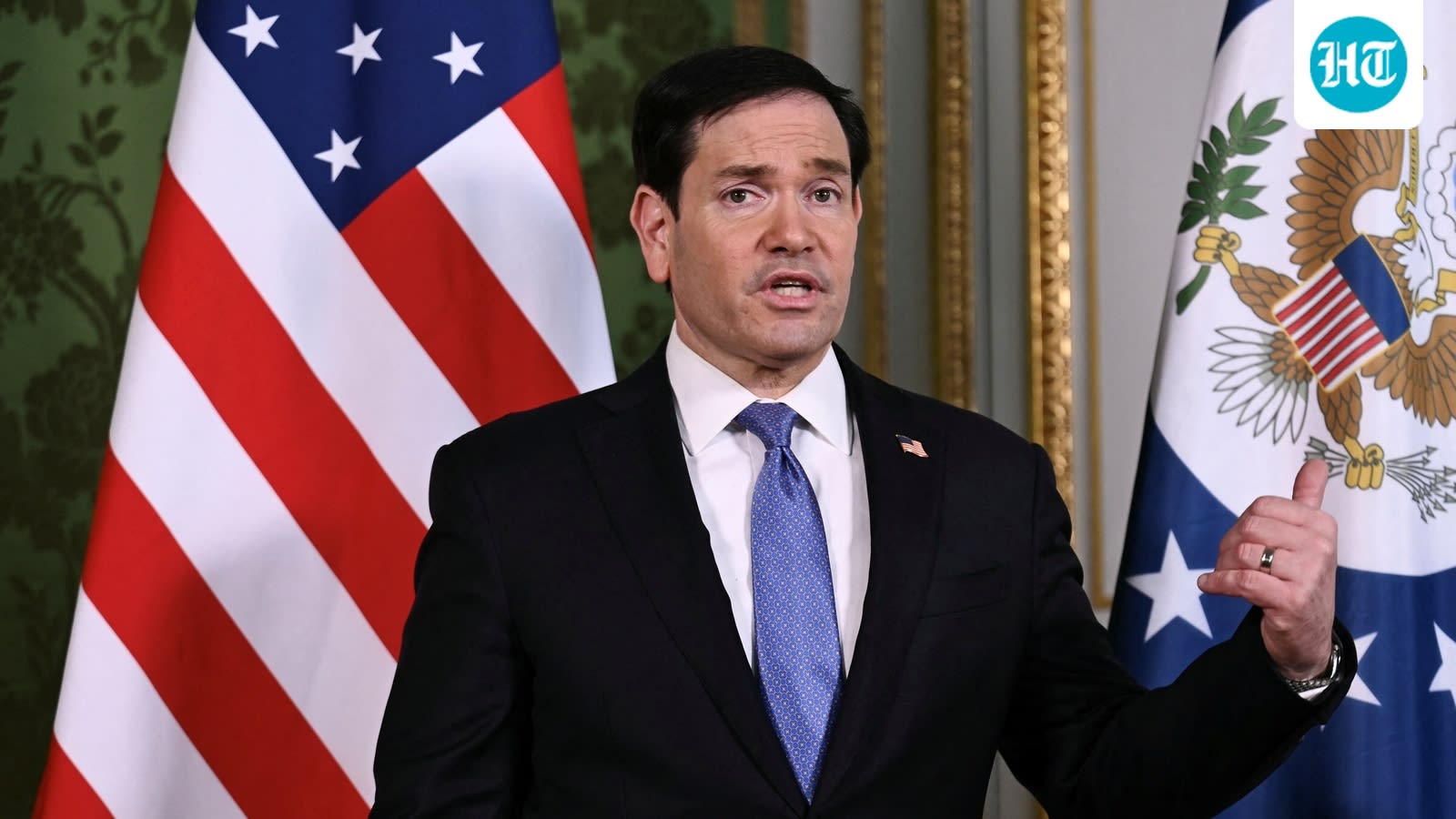
US Secretary of State Marco Rubio asserts that crushing economic sanctions are effectively pressuring Iran, negating the need for direct military intervention. The US is further intensifying efforts to eliminate Iran's oil revenue streams to sustain this diplomatic and economic strategy.
The Strategy of Economic Pressure: US-Iran Relations
United States Secretary of State Marco Rubio has recently emphasized a strategic pivot in the American approach toward Iran, signaling that the current administration favors economic strangulation over kinetic military engagement. Following a G7 foreign ministers' summit in Paris, Rubio articulated that the "extraordinary economic pain" inflicted upon the Iranian state has rendered major combat operations unnecessary. This stance suggests a concerted effort by the United States to leverage financial mechanisms to achieve geopolitical objectives without the unpredictable costs of war.
The Mechanics of Economic Containment
The core of this policy rests on the systematic erosion of Iran's financial stability, primarily through the targeting of its oil sector. By tightening sanctions, the US Treasury Department aims to ensure that "almost all of Iran's oil revenue will dry up." This is not merely a passive measure; rather, it involves an active, multi-front campaign to identify and disrupt the complex networks and strategies Iran utilizes to evade international sanctions. By cutting off the primary source of hard currency, the US is attempting to force a fundamental shift in Tehran's regional behavior.
Diplomatic Stalemate and Strategic Patience
Despite the intensity of this economic campaign, diplomatic channels between Washington and Tehran remain effectively frozen. Both nations appear entrenched in their respective positions, with conflicting negotiation terms preventing any meaningful dialogue. Rubio’s comments reflect a doctrine of strategic patience, where the administration believes that maintaining these sanctions will eventually force Iran to the negotiating table from a position of profound domestic weakness, thereby achieving US goals through "economic means" rather than battlefield success.
Implications for Global Markets and Allies
Rubio’s briefing to G7 allies in Paris underscores the importance of a unified international front in the efficacy of these sanctions. The success of this policy is contingent upon the cooperation of international partners in enforcing these restrictions and resisting Iranian attempts to circumvent them. As oil revenue declines, the global energy market remains sensitive to any volatility originating from the Persian Gulf, making the sustainability of this economic campaign a key focus for international observers.
Future Trends and Potential Risks
Looking ahead, the longevity of this policy depends on how effectively the US can continue to plug loopholes in its sanctions regime. While the current strategy successfully avoids the immediate human and economic toll of major conflict, it carries the long-term risk of internal instability within Iran and potential regional retaliatory measures that do not rise to the level of "major combat." The administration remains committed to this path, wagering that the internal pressure generated by economic hardship will ultimately prove more decisive than conventional military force.
Verification Required?