Russia banned from third straight Chess Olympiad despite neutral flag plea
Source Entity
The Indian Express
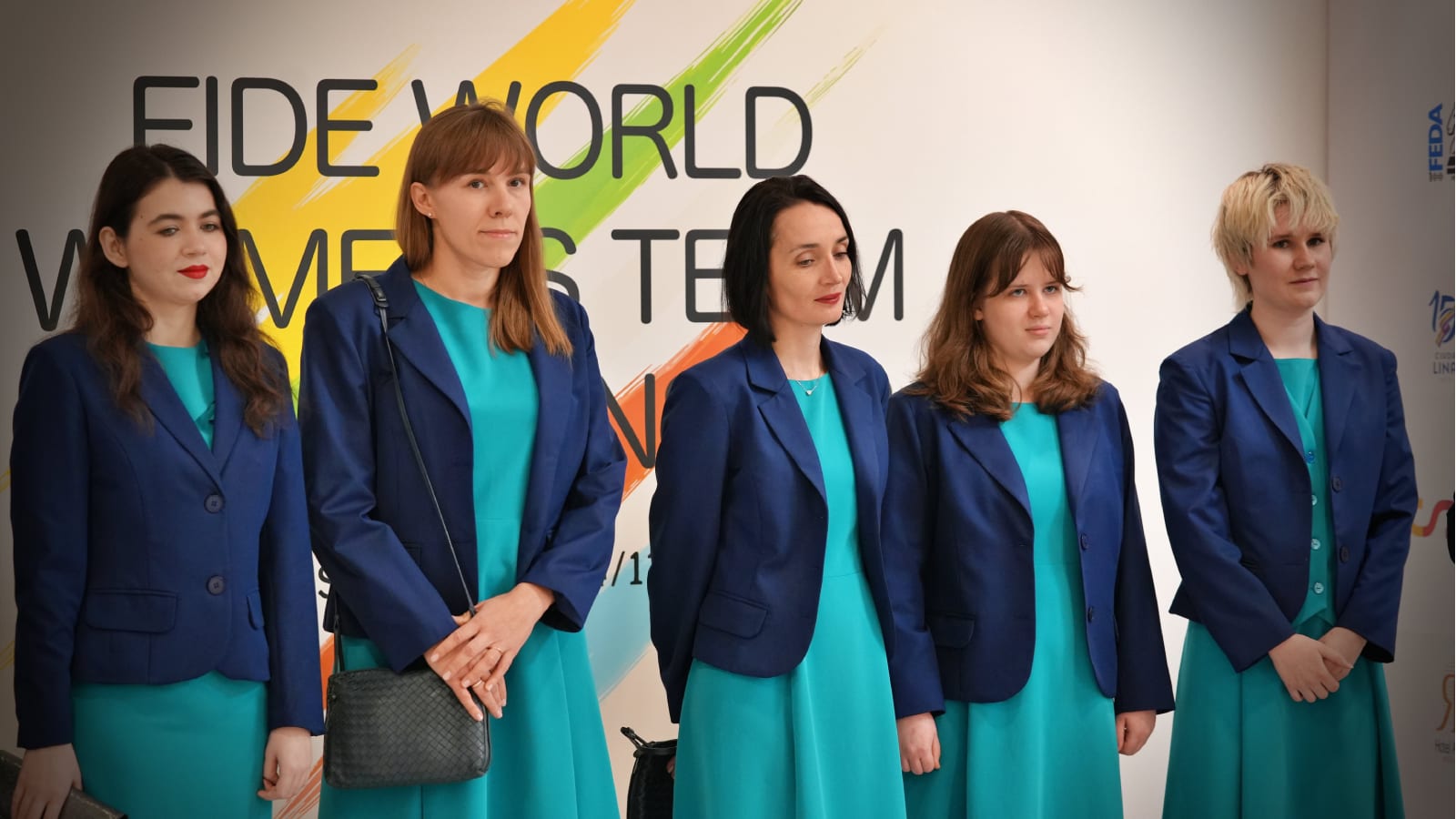
The FIDE Council has rejected Russia's bid to compete in the 2026 Chess Olympiad in Samarkand, marking the third consecutive exclusion of its national teams. This decision, upheld despite appeals for neutral status, continues the international sporting isolation imposed following the invasion of Ukraine.
The Continued Isolation of Russian Chess
The FIDE Council has officially denied Russia's request to return to the international stage for the 2026 Chess Olympiad in Samarkand. This decision marks a significant milestone in the ongoing geopolitical fallout stemming from the 2022 invasion of Ukraine, as it ensures that Russian men’s and women’s national teams will be absent from the world’s premier team chess event for the third consecutive cycle.
The Failure of the Neutral Flag Plea
Russian Chess Federation Executive Director Alexander Tkachev confirmed that the appeal to participate under a neutral flag was formally rejected. Despite the common practice in various international sports federations to allow individual athletes to compete without national symbols, FIDE has maintained a stricter stance regarding the official national teams. This rejection signals that, within the current FIDE governance framework, the distinction between individual participation and state-backed team representation remains a critical boundary for sanctions.
Governance and Leadership Influence
The decision carries weight due to the involvement of high-profile leadership within the governing body. Tkachev explicitly noted that the initiative to maintain the ban was driven by the acting FIDE President, Viswanathan Anand. By upholding these sanctions, the FIDE Council is reinforcing its alignment with broader international sports policies that sought to distance global competitions from nations currently engaged in active, large-scale military conflicts.
Historical Context of the Olympiad Ban
To understand the gravity of this exclusion, one must look at the history of the Chess Olympiad, a biennial event that serves as the pinnacle of team chess. Russia, historically a dominant force in the sport, has been sidelined since 2022. The fact that the 2026 Olympiad in Samarkand will proceed without the Russian Federation suggests that the international chess community is prioritizing political stability and the integrity of international sanctions over the inclusion of one of the sport's most successful historical powerhouses.
Broader Implications and Future Trends
The exclusion of Russia from the 2026 Olympiad reflects a growing trend where international sporting bodies are increasingly comfortable using their platforms to enforce geopolitical stances. As FIDE continues to navigate the pressure of global politics, this precedent suggests that Russia's path to reinstatement will likely remain blocked until significant changes occur in the geopolitical landscape. The persistence of this ban suggests that for the foreseeable future, Russian chess players may only find avenues to compete as individuals, rather than as representatives of their national federation.
Conclusion
In summary, the FIDE Council's refusal to lift the ban for the Samarkand Olympiad is a definitive statement on the current state of Russia’s standing in international chess. By denying the appeal for neutral participation, FIDE has solidified a firm policy stance that prioritizes the collective decision-making of its council over the inclusion of the Russian national team. This ongoing isolation remains a defining feature of the current era in competitive chess.