Russia warns NATO for the 2nd time against nuclear moves: is Europe playing with fire? | Finland
Source Entity
Latest News: Todays Latest News Headlines from India & World | Hindustan Times | Hindustan Times
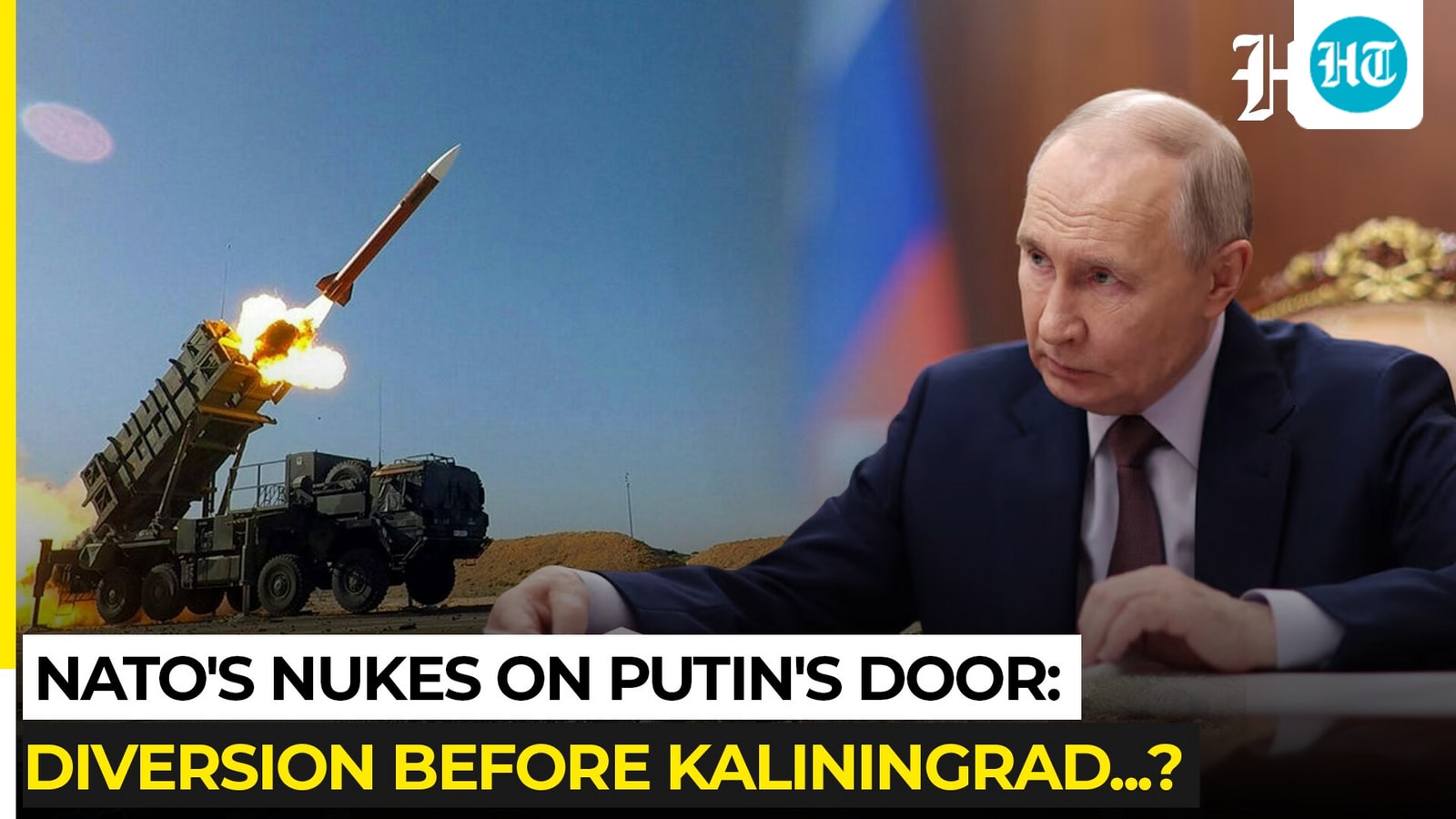
Russia has issued stern warnings regarding NATO's increased military infrastructure and Finland's participation in French-led deterrence initiatives. Moscow interprets these defensive upgrades as preparations for a potential conflict, while NATO maintains no invasion plans for the Kaliningrad region.
The Escalating Rhetoric: Russia, NATO, and the Baltic Standoff
The security architecture of Northern Europe is undergoing a profound transformation, characterized by a dangerous cycle of defensive posturing and aggressive interpretation. Russia has recently issued its second major warning against NATO’s evolving nuclear-deterrence strategies, specifically targeting Finland’s decision to join France’s "forward deterrence" initiative. This geopolitical friction highlights the deepening divide between Moscow’s perception of encirclement and the Western alliance's commitment to strengthening its collective defense posture in the Baltic and Arctic regions.
Infrastructure as a Proxy for Conflict
At the heart of the current diplomatic dispute is the interpretation of logistical upgrades across Europe. Russian diplomat Yulia Zhdanova has explicitly pointed to the modernization of airports, railways, and bridges as evidence that NATO is preparing for a "hot phase" of conflict by 2030. While these initiatives are framed by NATO as essential for military mobility and logistical readiness, Moscow views them through a lens of existential threat, fearing that this infrastructure is designed to facilitate a rapid, large-scale deployment against Russian territory.
The Strategic Vulnerability of Kaliningrad
Kaliningrad, Russia’s exclave on the Baltic Sea, has become the focal point of these tensions. Moscow has leveled allegations that NATO is actively testing blockade scenarios aimed at isolating both Kaliningrad and the strategic ports near St. Petersburg. These claims are fueled by persistent calls from Poland for increased military exercises in the region. Despite these accusations, there is no verified evidence to suggest that NATO is planning an invasion of Kaliningrad, yet the mere existence of these allegations significantly increases the risk of miscalculation.
Deterrence vs. Escalation
Finland’s integration into French-led nuclear-deterrence initiatives represents a significant shift in the strategic landscape. By participating in these frameworks, Finland is moving away from its historical neutrality toward a more integrated role in European defense. Russia interprets this shift as a direct challenge to its influence in the Arctic and Baltic spheres. The fundamental problem lies in the "security dilemma": as NATO nations strengthen their defenses to prevent conflict, Russia perceives these same actions as preparations for an offensive, leading to a dangerous feedback loop.
Future Trends and Regional Stability
Looking ahead, the risk of accidental escalation remains a critical concern. As both sides increase their military footprint and rhetoric, the margin for error in the Baltic and Arctic regions shrinks. Future trends will likely see a continuation of "gray zone" tactics, where information warfare and diplomatic threats become as significant as conventional military posturing. The ability of both parties to maintain open channels of communication will be the primary factor in preventing a localized misunderstanding from spiraling into a broader confrontation.
Conclusion
In summary, the current standoff is defined by a clash of narratives. While NATO emphasizes the need for deterrence and logistical preparedness to ensure regional stability, Russia characterizes these efforts as the groundwork for a future war. As the 2030 horizon approaches, the focus on military mobility and nuclear cooperation ensures that the Baltic region will remain a theater of high-stakes tension, where the line between defensive posture and offensive threat remains perilously thin.
Multiple Citing Sources
Verification Required?