Putin’s deadliest submarine: Mach‑9 Zircon‑armed stealth nuclear sub to hunt NATO carriers, fleets?
Source Entity
Latest News: Todays Latest News Headlines from India & World | Hindustan Times | Hindustan Times
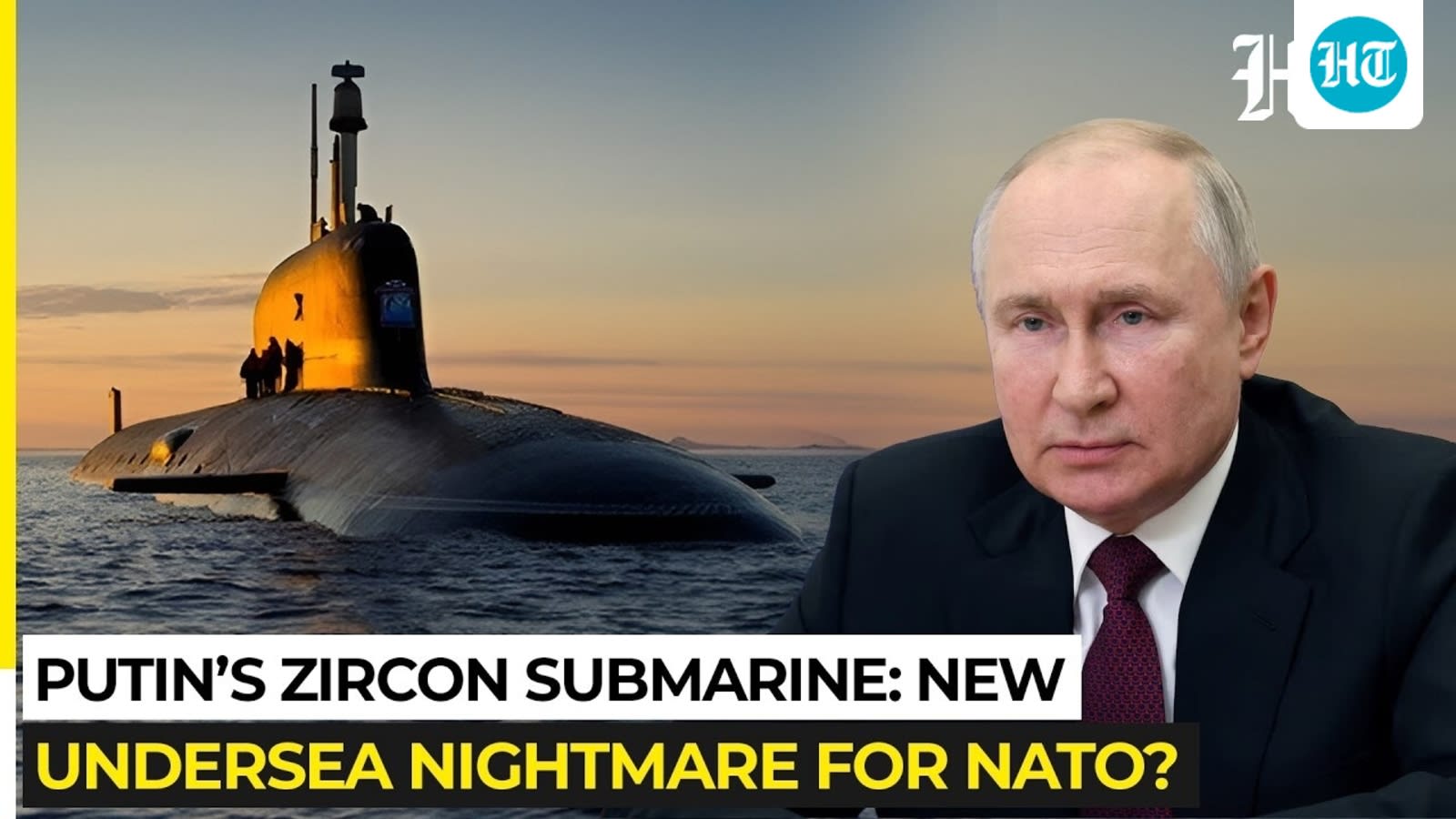
The Russian Navy is set to commission the 'Perm,' a Yasen-M class submarine capable of firing Mach-9 Zircon hypersonic missiles. This development significantly alters naval power dynamics by threatening NATO carrier strike groups with advanced, high-speed stealth capabilities.
The Rise of the Yasen-M: A New Era in Naval Warfare
Russia’s upcoming commissioning of the Perm represents a significant evolution in underwater warfare capabilities. As the first nuclear-powered submarine purpose-built to integrate the Zircon hypersonic missile system, the Perm serves as a focal point for Russia’s strategic pivot toward high-speed, precision-strike naval assets. By marrying the quiet, stealth-oriented design of the Yasen-M class with the overwhelming speed of hypersonic weaponry, the Kremlin is attempting to negate the traditional defensive advantages currently held by Western naval powers.
The Zircon Hypersonic Advantage
The Zircon missile is the cornerstone of this strategic shift, boasting speeds of nearly Mach 9 and a strike range of approximately 1,000 kilometers. Unlike traditional subsonic anti-ship missiles, which can be intercepted by modern layered air defense systems like the Aegis Combat System, the Zircon’s extreme velocity and maneuverability are designed to overwhelm existing reaction times. This capability effectively forces NATO commanders to rethink the survivability of surface fleets operating within range of Russian underwater assets.
Tactical Implications for NATO Carrier Strike Groups
For decades, the U.S. and its NATO allies have relied on carrier strike groups as the primary instrument of power projection. The introduction of the Perm complicates this doctrine significantly. With 32 vertical launch cells available, a single Yasen-M class submarine can carry a substantial payload of Zircon missiles, creating a persistent and difficult-to-detect threat. The ability of these submarines to remain hidden while holding high-value assets at risk forces a shift in naval tactics, potentially necessitating wider standoff distances and more complex defensive maneuvers.
Stealth and Technological Integration
The Yasen-M class is not merely a launch platform for missiles; it is a masterclass in acoustic quieting and sensor integration. By utilizing advanced sound-dampening technologies and next-generation sonar arrays, these submarines are designed to operate undetected in critical maritime corridors. The integration of the Zircon into this existing, stealthy platform represents a force multiplier that bridges the gap between traditional submarine warfare and long-range, high-speed ballistic deterrence.
Strategic Outlook and Future Trends
Looking forward, the deployment of the Perm suggests a broader trend in global naval modernization, where the focus is shifting away from sheer tonnage toward speed, precision, and survivability. As Russia continues to integrate hypersonic technology across its fleet, NATO and other global powers will likely accelerate their own investments in directed-energy weapons and advanced electronic warfare systems to counter these threats. The commissioning of the Perm is therefore not just a milestone for the Russian Navy, but a signal that the competition for dominance in the world's oceans is entering a more volatile and technologically advanced phase.
Verification Required?