Russia pounds Kyiv as NATO military chief warns Moscow would 'lose a lot' by attacking Baltics
Source Entity
US Top News and Analysis
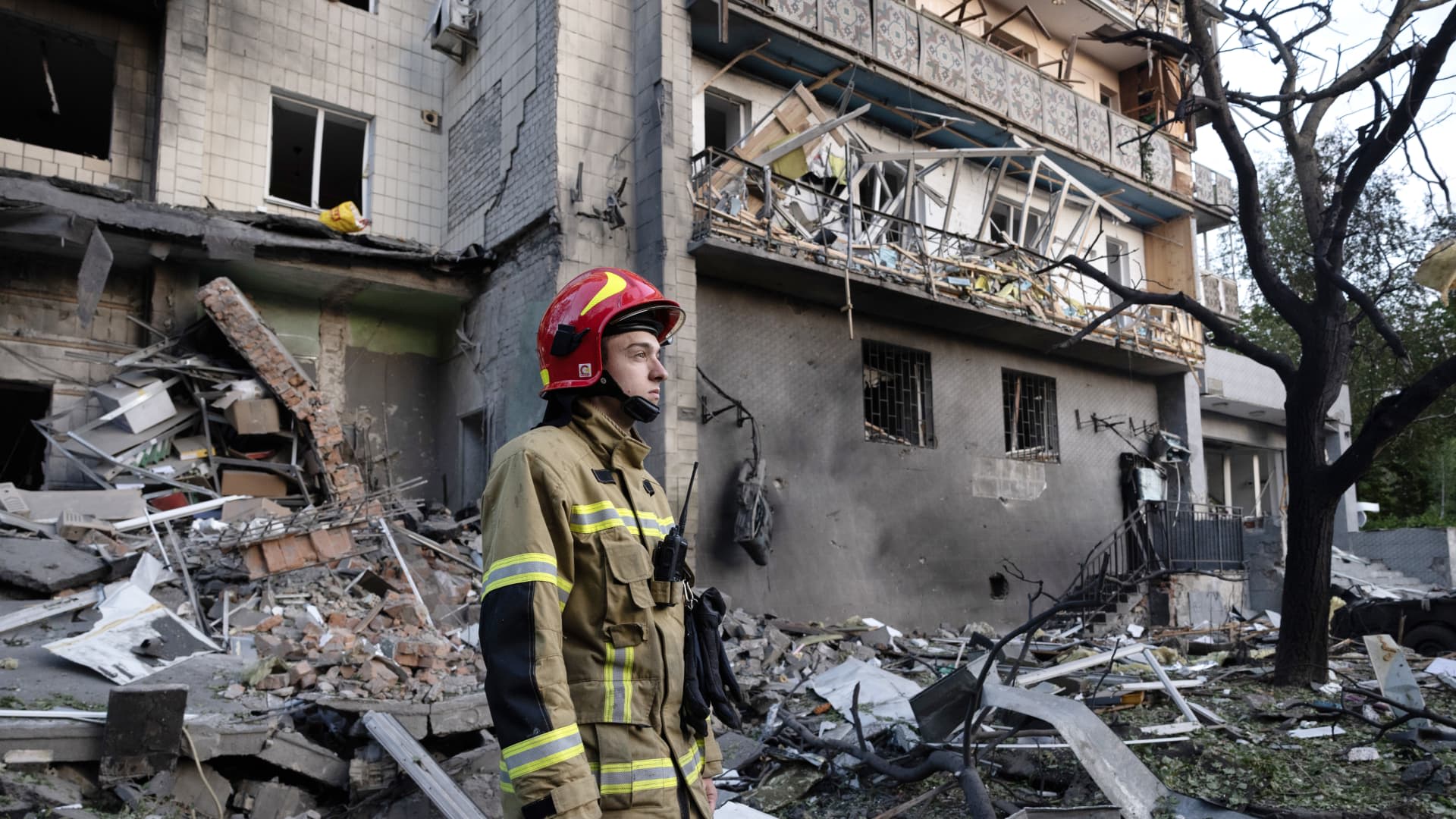
Russia and Ukraine have exchanged their most severe strikes in months, with Kyiv targeted by hypersonic missiles and Russia facing deadly drone attacks. NATO has warned Moscow of significant losses should the conflict expand into the Baltic states, amid rising global oil supply concerns.
Escalation in Eastern Europe: The July 2026 Offensive
On July 19, 2026, the conflict between Russia and Ukraine reached a critical inflection point as both nations engaged in their most intense exchange of strikes in several months. The escalation is characterized by a massive Russian ballistic missile barrage targeting the Ukrainian capital, Kyiv, and a simultaneous, highly effective Ukrainian drone campaign deep within Russian territory. This surge in violence marks a dangerous shift in the conflict's intensity, raising immediate alarms regarding the potential for a wider regional war and the stability of global energy markets.
The Siege of Kyiv: Hypersonic Warfare
The assault on Kyiv was particularly devastating, involving approximately 40 Iskander-M and hypersonic Zircon missiles. The use of Zircon missiles is a significant detail; these hypersonic weapons are designed to evade traditional air defense systems due to their extreme speed and maneuverability, making them a potent tool for striking high-value targets. The results were tragic, with at least one person killed and 15 wounded in the capital alone, while residential buildings and warehouses were severely damaged. Across Ukraine, the wave of strikes claimed at least eight lives and left dozens more injured, highlighting Russia's continued strategy of targeting urban centers to degrade morale and infrastructure.
Ukraine's Strategic Shift: Deep-Strike Drone Capabilities
In a reciprocal move, Ukraine launched what have been described as its deadliest drone strikes inside Russian borders in more than two years. This suggests a significant evolution in Ukraine's long-range capabilities and a strategic decision to bring the cost of the war directly to the Russian mainland. By targeting critical infrastructure or military assets within Russia, Kyiv is likely attempting to force Moscow to divert air defense resources away from the front lines and the capital. The scale of these strikes indicates a sophisticated level of coordination and an increased willingness to engage in high-risk, high-reward operations deep behind enemy lines.
NATO's Deterrent and the Baltic Flashpoint
Parallel to the violence in Ukraine, the geopolitical tension has shifted toward the borders of the Baltic states. The NATO military chief has issued a stark warning to Moscow, asserting that Russia would "lose a lot" if it attempted to attack the Baltics. This warning is a critical component of Western deterrence, emphasizing that any aggression against NATO member states would trigger a collective response that would be catastrophic for the Russian military. The mention of the Baltics suggests that NATO perceives a growing risk of Russian opportunism or a strategic attempt to test the alliance's resolve while the world's attention is fixed on the devastation in Kyiv.
Economic Fallout and Energy Security
A recurring theme in this escalation is the mounting pressure on global oil supplies. As strikes target energy infrastructure on both sides, the volatility of the oil market has increased. The interdependence of global energy chains means that localized military strikes on refineries or transport hubs in this region have immediate ripple effects on global prices. The fear of further strains on oil supplies adds an economic dimension to the conflict, potentially pressuring international actors to intervene or mediate to prevent a global energy crisis.
Conclusion: A Precarious Global Balance
The events of July 19, 2026, illustrate a cycle of escalation where advanced weaponry, such as hypersonic missiles and long-range drones, is being used to maximize damage. With NATO standing on high alert in the Baltics and the global economy trembling over oil stability, the situation remains highly volatile. The trajectory suggests that unless a diplomatic breakthrough occurs, the conflict will continue to expand in scope, threatening not only the sovereignty of Ukraine but the broader security architecture of Europe.