Cargo ships sunk, cities burning: Is Russia turning Zelensky’s long‑range gambit into a nightmare?
Source Entity
Latest News: Todays Latest News Headlines from India & World | Hindustan Times | Hindustan Times
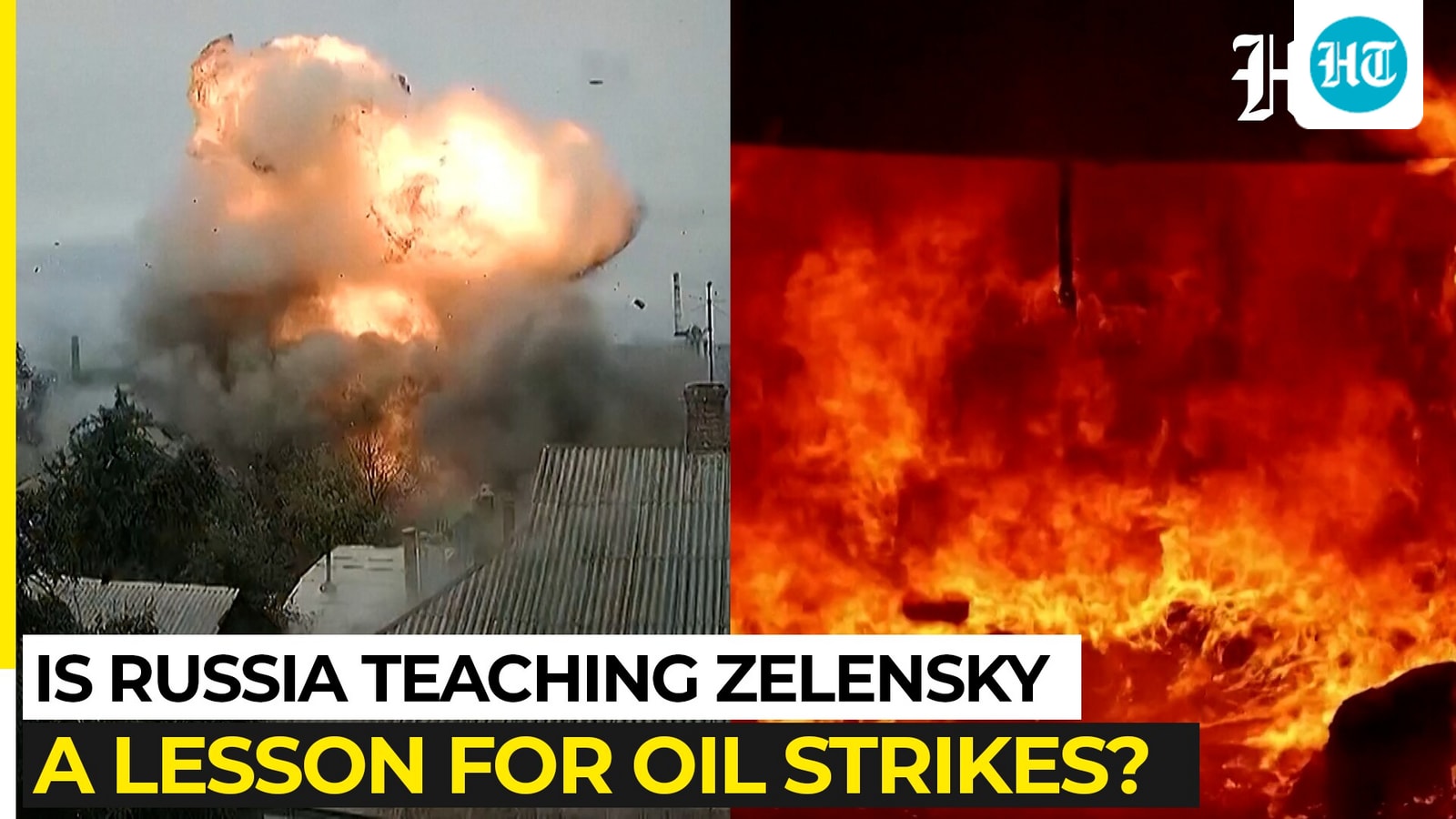
Russia and Ukraine are engaged in an escalating campaign of long-range strikes, with Kyiv targeting Russian infrastructure while Moscow fortifies its capital. The conflict has entered a dangerous new phase as Russia bolsters its air defenses against persistent Ukrainian drone threats.
Escalation in the Heartland: The New Reality of the Russia-Ukraine Conflict
The ongoing conflict between Russia and Ukraine has entered a significantly more volatile phase, characterized by a shift toward long-range attrition. Recent reports indicate that the theater of war is no longer confined to the frontlines; instead, it has expanded to include deep-strike campaigns that threaten the logistical and economic heart of both nations. As Ukraine leverages its evolving drone technology to hit Russian oil and logistics hubs, Moscow has responded with overwhelming aerial barrages, marking a dangerous escalation in the intensity of the war.
The Strategic Shift: Ukraine’s Long-Range Gambit
President Volodymyr Zelensky has signaled a strategic pivot, unveiling an updated list of priority targets designed to cripple the Russian war machine. By claiming the ability to deploy drones capable of traveling over 3,000 kilometers, Kyiv is attempting to force Moscow to divert critical resources away from the frontlines to defend its own territory. This tactic seeks to undermine the Russian economy by targeting critical oil infrastructure and logistics, thereby disrupting the supply chains essential for maintaining Russia's offensive capabilities.
Moscow’s Fortress Strategy
In response to these persistent threats, Russia has initiated a massive defensive overhaul of its capital. Open-source intelligence highlights the construction of approximately 24 new Pantsir missile defense positions forming a defensive ring 40 kilometers from central Moscow. Furthermore, the deployment of Pantsir-SMD systems on rooftops and the preparation of sites for S-400 batteries indicate a comprehensive effort to render Moscow an 'untouchable' fortress. This buildup is a direct reaction to the reported 1,900 Ukrainian drones that allegedly targeted the Moscow region in a single week.
Protecting the Power Centers
The fortification of Moscow is not merely a tactical maneuver but a political necessity for the Kremlin. By shielding key infrastructure—including Vnukovo Airport, critical electrical substations, and the presidential residence—Russia aims to maintain a sense of domestic stability despite the encroaching war. This defensive posture suggests that Moscow anticipates a prolonged period of aerial harassment and is preparing its civil and military infrastructure for a sustained, high-intensity campaign.
The Failure of Diplomacy
As both sides double down on their respective offensive and defensive strategies, the prospects for peace have dimmed significantly. Russia continues to dismiss any overtures from Kyiv, suggesting that the Kremlin views the current military momentum as a justification for further escalation. The refusal to engage in diplomatic dialogue, coupled with the intensification of strikes, indicates that both nations remain committed to a military solution, regardless of the humanitarian and economic toll.
Future Trends and Implications
Looking ahead, the conflict is likely to remain locked in this cycle of deep-strike attrition. If Ukraine continues to successfully penetrate Russian defenses, Moscow will be forced to further harden its infrastructure, potentially leading to even more draconian domestic measures. Conversely, if Russia's new defensive ring proves effective, Kyiv may be forced to recalibrate its strategy or seek alternative methods to exert pressure on the Russian state. This 'war of endurance' is fundamentally changing the nature of modern warfare, where technology and long-range reach are increasingly dictating the rhythm of the conflict.
Multiple Citing Sources
Verification Required?