Russian lab worker's suspected plague death leaves experts puzzled
Source Entity
US Top News and Analysis
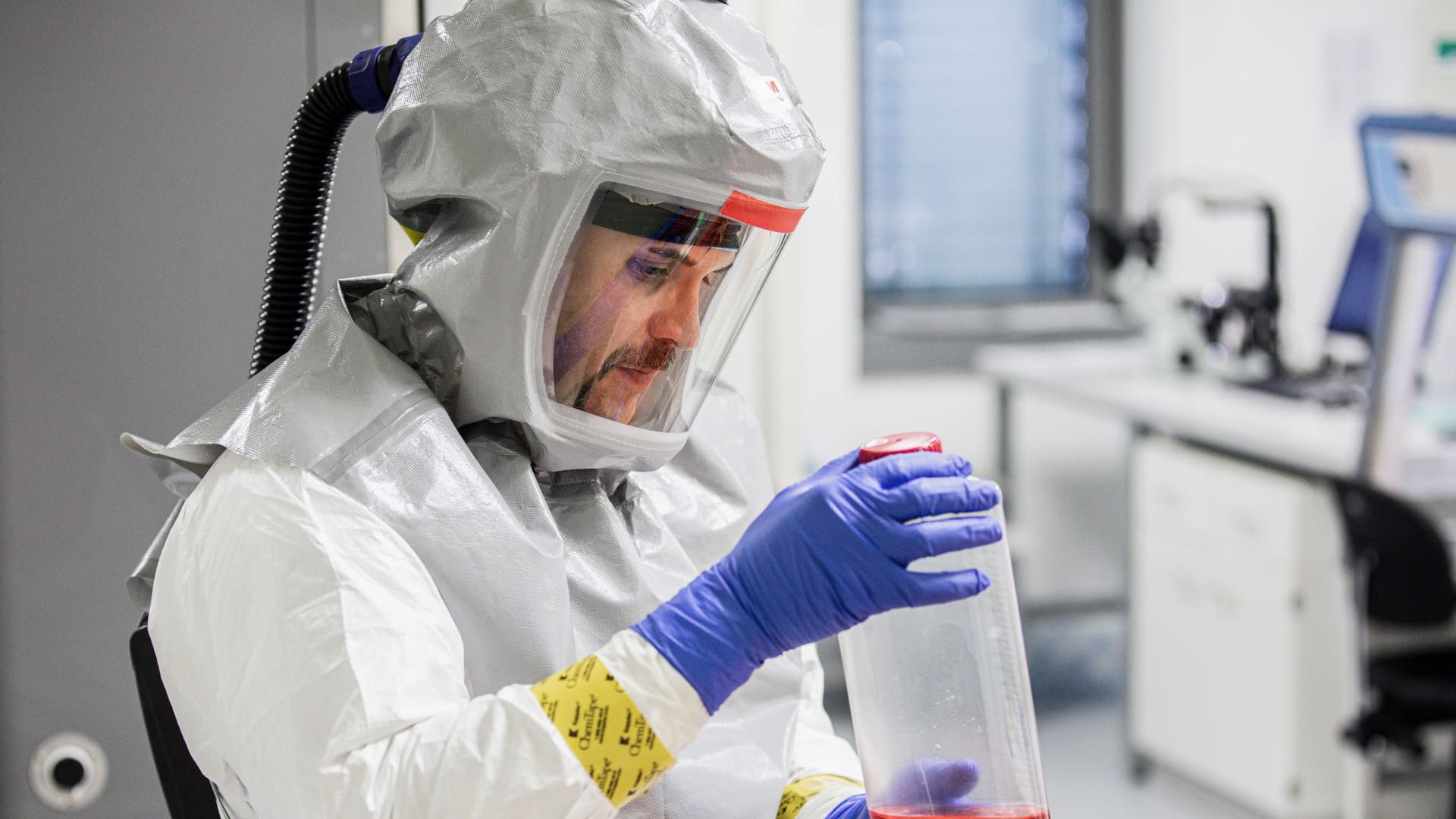
A Russian lab technician's death at a Siberian plague research institute has sparked international concern and conflicting reports. While Russian officials attribute the death to pneumonia, the US State Department has issued a health alert amid broader travel warnings.
The Mystery of the Irkutsk Laboratory Fatality
The recent death of a lab technician at a research institute in Irkutsk, Siberia, has ignited a complex international discourse regarding biosafety and transparency. The facility, which specializes in the study of plague bacteria, reported the fatality under circumstances that remain largely unexplained, prompting significant scrutiny from the global scientific community. While the exact cause of death remains a subject of intense debate, the presence of approximately 200 individuals under medical observation or quarantine in the region underscores the gravity with which local authorities are treating the potential for transmission.
Conflicting Narratives and Official Responses
A stark divide exists between the information provided by Russian authorities and the concerns raised by international observers. Kremlin spokesman Dmitry Peskov has actively dismissed rumors surrounding the incident, urging the public to rely solely on the Russian public health watchdog. Official reports from Moscow have categorized the cause of death as pneumonia of unknown origin, a classification that has failed to fully appease infectious disease experts who note that a prior incident in the lab may have preceded the fatality. Furthermore, the discrepancy between Russia’s communications with the World Health Organization—which claimed no recorded plague cases—and the regional quarantine measures suggests a lack of clarity that complicates the global understanding of the event.
Geopolitical Implications and US Involvement
The situation has inevitably become entangled in the broader geopolitical tensions between Russia and the United States. Following the incident, the US State Department reiterated its Level 4 'Do Not Travel' advisory for Russia, supplementing it with a specific health alert regarding the potential for pneumonic plague. This action highlights the high-stakes nature of infectious disease reporting in a climate of international distrust. The offer of support from the United States, acknowledged by Kremlin officials, reflects the traditional protocols of global health diplomacy, even as diplomatic relations remain strained due to the ongoing conflict in Ukraine.
The Challenge of Biosafety in Specialized Facilities
Laboratories like the Irkutsk Anti-Plague Research Institute play a critical role in global health security, yet they also pose inherent risks. The handling of highly pathogenic agents requires stringent containment protocols, and any deviation or accident can have cascading effects on public health. The current situation serves as a stark reminder of the vulnerability of research environments. When transparency is lacking, the vacuum is quickly filled by speculation, which can hinder effective epidemiological response and erode public trust in national health institutions.
Future Trends in Infectious Disease Monitoring
Looking forward, this event is likely to catalyze a renewed push for more robust, independent international oversight of high-containment laboratories. As nations navigate the intersection of national security and public health, the need for standardized reporting protocols becomes increasingly apparent. Future trends will likely focus on the integration of real-time monitoring and international cooperation to prevent localized laboratory accidents from escalating into regional or global health concerns. The Irkutsk case will undoubtedly be studied as a case study in the necessity of transparent data sharing during potential bio-incidents.
Conclusion
Ultimately, the death of the researcher in Irkutsk remains a multifaceted issue that bridges the gap between scientific inquiry and international politics. While the situation is currently labeled as stable by Russian authorities, the ongoing medical observation of hundreds of citizens and the heightened alert status from the United States suggest that the incident is far from resolved. Ensuring public safety requires reconciling these conflicting narratives through objective investigation and a renewed commitment to global biosafety standards.
Multiple Citing Sources