Watch: Russian saboteur working for Ukraine shares reconnaissance videos
Source Entity
BBC News
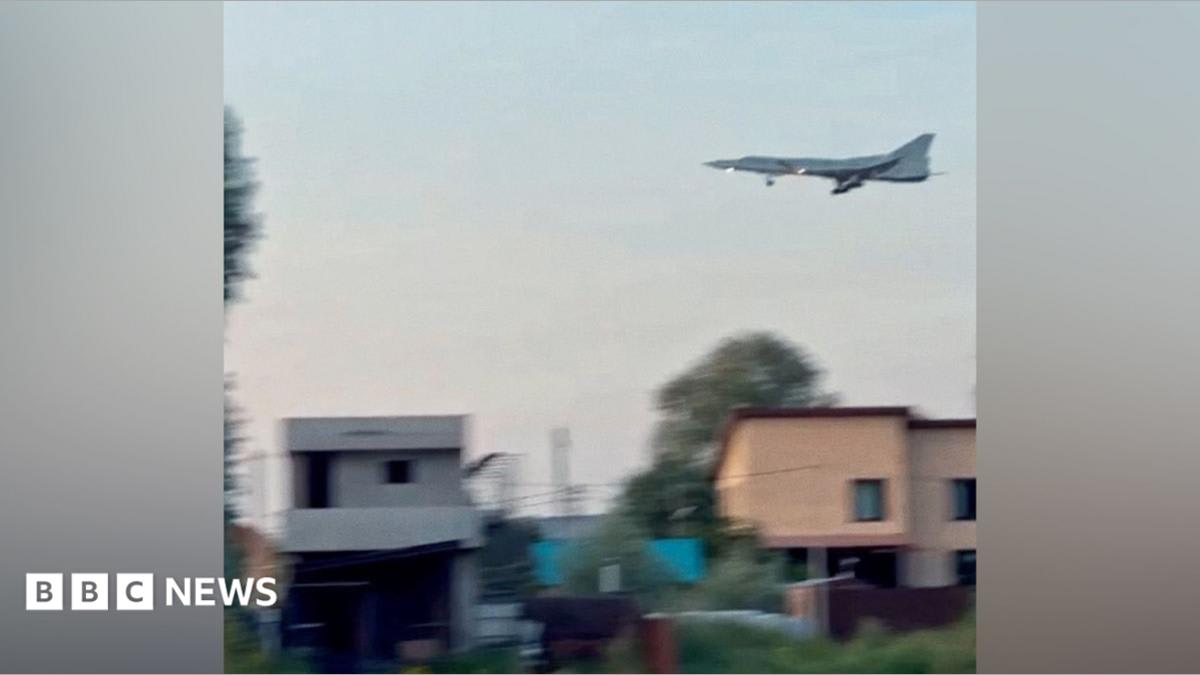
A recent BBC documentary reveals the activities of Russian saboteurs working for Ukrainian intelligence to target military infrastructure. These individuals claim to provide detailed reconnaissance on bombers, munitions factories, and Russian military personnel to aid Kyiv's efforts.
The Shadow War: Understanding Internal Sabotage in Russia
Recent revelations from a BBC World Service documentary have shed light on the clandestine operations of Russian citizens working in coordination with Ukrainian intelligence. The emergence of individuals like 'Ivan' and 'Foma' highlights a significant and rarely seen dimension of the ongoing conflict: the utilization of internal assets to conduct reconnaissance and sabotage deep within Russian territory. By targeting strategic bombers, munitions factories, and specific military personnel, these operatives represent a direct challenge to the Kremlin's internal security apparatus.
The Mechanics of Internal Espionage
According to the reports, the process of sabotage is highly structured. Operatives such as Foma, who claims prior ties to the Russian elite, describe a systematic approach to target identification. By creating databases that include the location of military warehouses, the residences of generals, and the homes of strategic bomber pilots, these saboteurs aim to identify the 'weak points' of the Russian state. The insistence on avoiding mobile phones during operations underscores the high-stakes, low-tech methodology required to evade Russia’s extensive digital surveillance and FSB monitoring.
Strategic Implications of Local Intelligence
The involvement of local Russian assets provides Ukraine with a unique intelligence advantage that satellite imagery or external reconnaissance cannot replicate. By accessing granular data—such as the personal details of pilots or the specific movements of military officials—these saboteurs allow Kyiv to strike with greater precision. This shift from conventional frontline warfare to asymmetrical, internal disruption creates a psychological and operational burden on the Russian military, which must now contend with threats not just at the border, but within its own domestic infrastructure.
Challenges in Verification and Attribution
While the accounts provided in the documentary are compelling, they remain difficult to independently verify. The caution exercised by the participants regarding the specific details of their activities is a necessary survival tactic, but it complicates the ability of international observers to assess the full scale of these operations. The 'shadowy' nature of these networks means that the line between genuine intelligence gathering and potential disinformation or exaggeration is often blurred, requiring a measured interpretation of these claims.
Future Trends in Asymmetrical Warfare
As the conflict persists, the reliance on internal sabotage is likely to remain a critical, albeit covert, component of regional strategy. The ability of Ukraine to maintain these networks reflects a persistent vulnerability within the Russian security structure. Looking ahead, we can expect the Kremlin to intensify its crackdown on perceived internal dissent, while Ukraine will likely continue to incentivize and support such networks to keep the Russian military apparatus under constant pressure. The success of these operations will depend heavily on the resilience of these underground cells and their ability to remain undetected in an increasingly hostile security environment.