The revolution that the West is imagining
Source Entity
Latest News: Todays Latest News Headlines from India & World | Hindustan Times | Hindustan Times
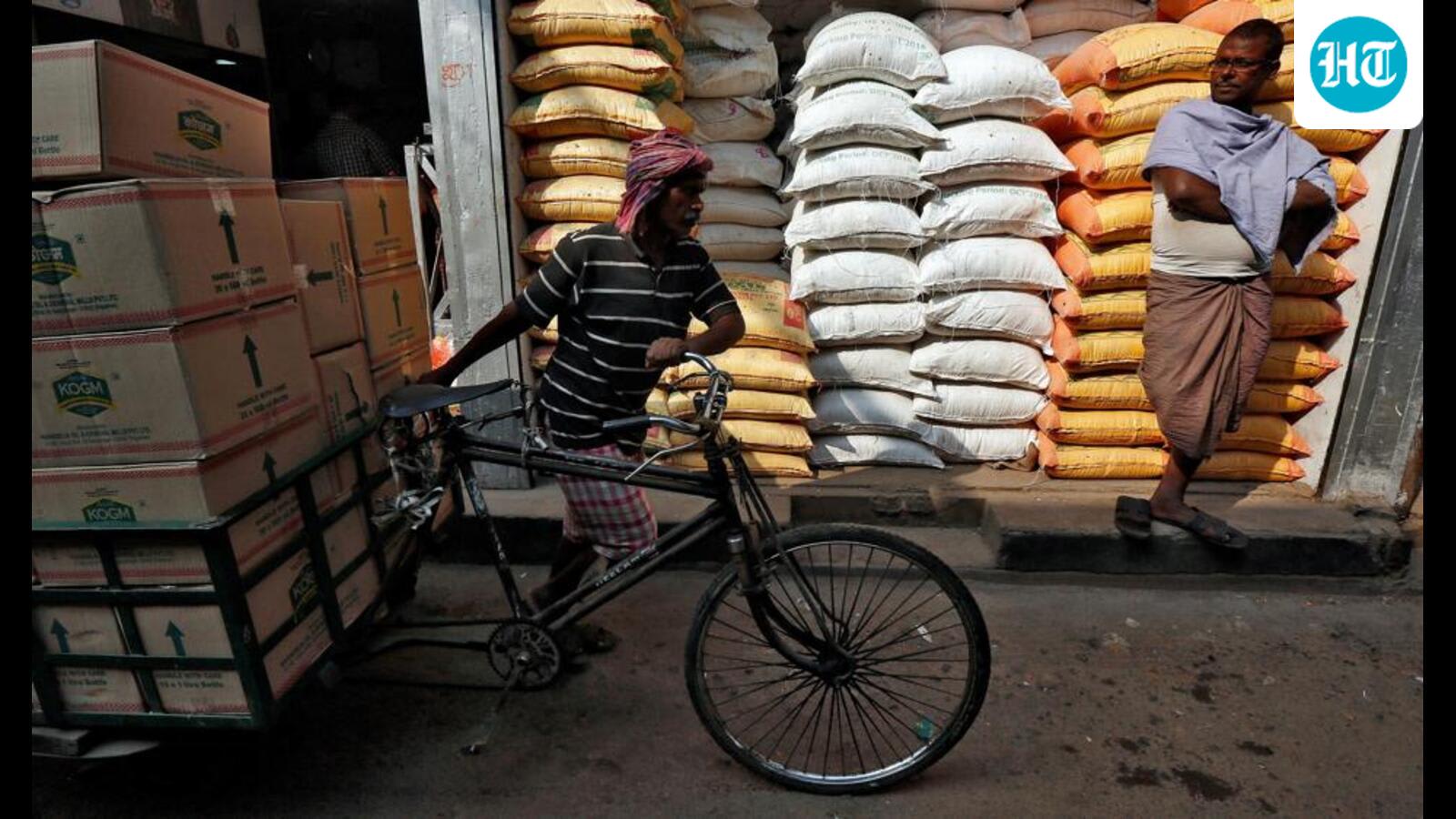
A disconnect exists between Western media's predictions of an Indian revolution and the reality of daily life on the ground. Observers note that citizens are more focused on practical economic concerns than the protests championed by external intellectuals.
The Disconnect: Western Narratives vs. Indian Reality
Recent discourse surrounding India has highlighted a stark divergence between the geopolitical narratives crafted by Western media and the lived experiences of the Indian populace. While international observers and expatriate intellectuals have frequently predicted impending social or political upheavals, these forecasts often fail to manifest in the streets. The core issue lies in a disconnect between external expectations of a 'revolution' and the actual priorities of Indian citizens, who remain largely focused on the rhythms of daily life.
The Failure of Predicted Uprisings
The narrative of an inevitable uprising has been repeatedly challenged by on-the-ground reality. Specific events, such as the protests on October 10 and the October 16 'Tiranga' protest, were framed by some as catalysts for change. However, empirical observation suggests that these events did not resonate with the broader public as anticipated. Instead of finding a nation on the brink of revolt, observers noted that traffic patterns remained the primary indicator of disruption, rather than any systemic political fracture.
Intellectual Bias and the 'Living Room' Revolution
There is a growing critique regarding how India is analyzed from afar. Intellectuals based in the West often project their own ideological frameworks onto the Indian landscape, effectively 'manufacturing' a revolution from the comfort of their living rooms. This approach ignores the nuanced socio-economic factors that actually drive public sentiment within India. By prioritizing theoretical frameworks over factual, real-time reporting, these analysts risk alienating themselves from the very reality they seek to interpret.
The Primacy of Economic Stability
For the average Indian citizen, the concerns of the day are far more pragmatic than the grand political shifts envisioned by foreign commentators. Issues such as rising prices and urban infrastructure—specifically the impact of blocked roads—take precedence over abstract calls for protest. This suggests that the majority of the population is currently more invested in economic stability and the functionality of their daily environment than in participating in movements that have failed to demonstrate clear, tangible benefits for their immediate lives.
Implications for Future Reporting
The persistent gap between the 'imagined' India and the 'visited' India serves as a cautionary tale for international media. When predictions require less scrutiny than factual, ground-level observation, the credibility of the reporting is naturally compromised. Moving forward, a more grounded, ethnographic approach to reporting is required to bridge this divide. Understanding India requires acknowledging its complexity rather than forcing it into a binary model of stability versus revolution.
Conclusion
Ultimately, the 'revolution' that the West is imagining remains an exercise in projection rather than a reflection of Indian society. As long as external observers prioritize their own narratives over the lived reality of the Indian people, their predictions will continue to miss the mark. Respecting India requires a shift toward more accurate, localized, and context-aware analysis that acknowledges the nation's own priorities and internal rhythms.
Verification Required?