Russian strikes plunge Ukrainian city into blackout as Zelenskyy warns of more missile attacks
Source Entity
US Top News and Analysis
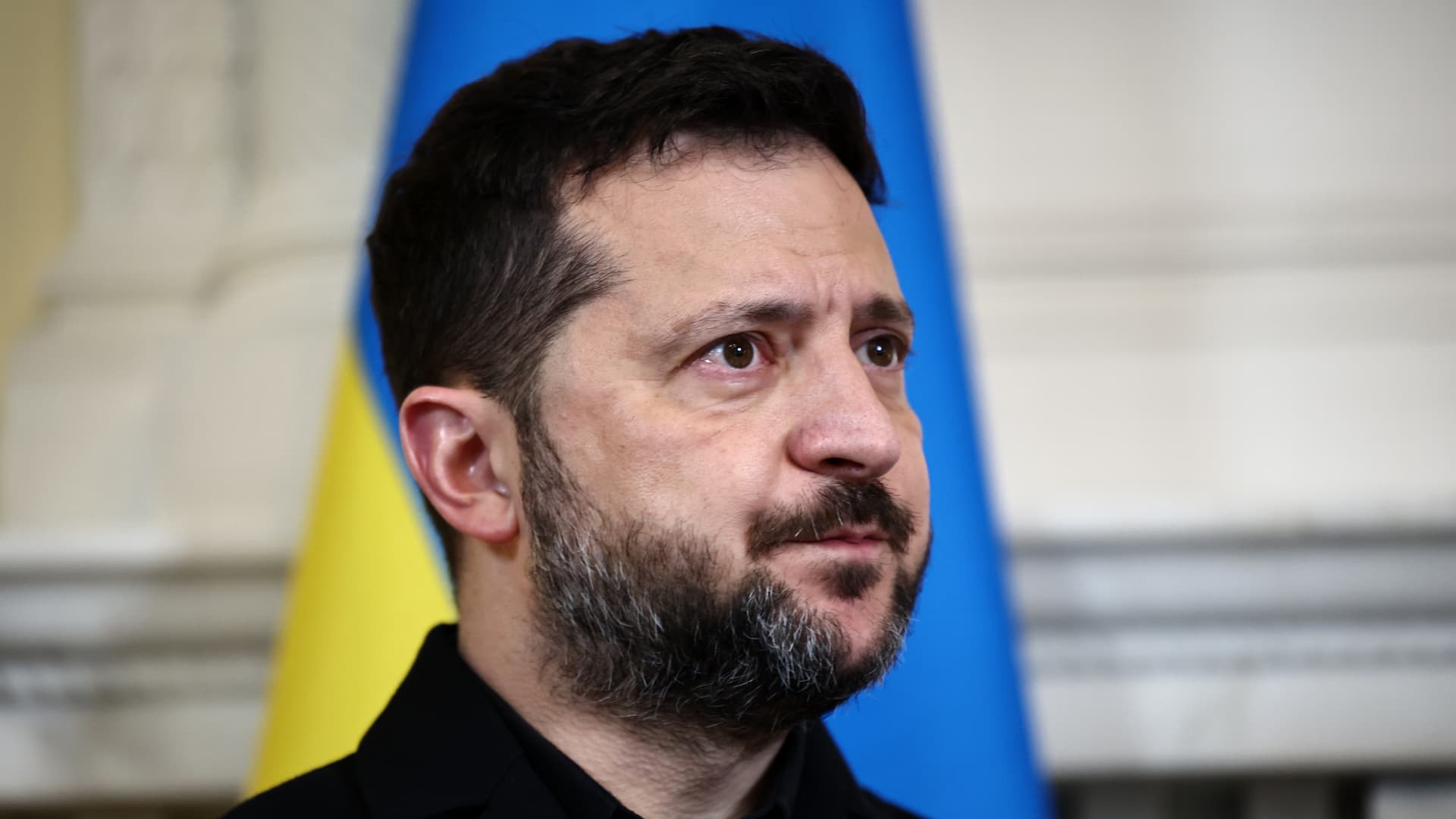
Russian missile strikes have caused a widespread blackout in Ukraine's Dnipro region, affecting over 350,000 residents. Concurrently, a Ukrainian drone strike targeted a Russian oil refinery, marking a significant escalation in the ongoing energy infrastructure war.
Escalation in Energy Infrastructure Warfare
The ongoing conflict between Russia and Ukraine has reached a volatile new inflection point, characterized by a reciprocal intensification of strikes targeting critical energy infrastructure. Recent reports confirm that a series of Russian missile strikes have crippled the power grid in the Dnipro region, plunging over 350,000 residents into darkness. This tactical assault on civilian infrastructure, confirmed by regional military administration head Oleksandr Hanzha, underscores the strategic shift toward debilitating the domestic capacity of the adversary through energy deprivation.
The Impact on Dnipro and Regional Stability
The damage to energy facilities in Dnipro and the surrounding Dnipropetrovsk Oblast has necessitated immediate emergency power cuts. DTEK, the primary private energy provider in the region, is currently engaged in extensive repair efforts; however, the scale of the destruction suggests that restoring reliable electricity will be a protracted process. These blackouts do more than disrupt daily life; they threaten the operational integrity of hospitals, water supply systems, and emergency services, effectively weaponizing the winter preparedness of the Ukrainian populace.
Reciprocal Strikes and Strategic Counter-Operations
In a clear manifestation of the 'tit-for-tat' nature of this conflict, Ukraine responded to the bombardment of its infrastructure by launching drone strikes against a Russian oil refinery in the western part of the country. By targeting oil processing capabilities, Ukraine is attempting to degrade Russia's logistics and economic revenue streams. This dual-front energy war indicates that both nations view the systematic destruction of utility and industrial assets as a primary lever to force political or military concessions.
Diplomatic Context and International Coordination
The timing of these strikes coincides with high-level diplomatic engagements in London, where President Volodymyr Zelensky met with British Prime Minister Andy Burnham. These meetings are critical for coordinating international support and discussing the long-term sustainability of Ukraine's defensive posture. The dialogue in London highlights the broader geopolitical stakes, as Western allies attempt to provide the necessary air defense systems to mitigate the effectiveness of Russian missile barrages.
Future Trends in the Conflict
As the conflict persists, the targeting of energy grids is likely to become more frequent and sophisticated. Future trends suggest that both sides will continue to prioritize the protection of their own infrastructure while seeking gaps in the other's air defense networks. For Ukraine, the focus remains on securing advanced interceptor capabilities to protect its power grid from further degradation. For Russia, the strategy appears to be a war of attrition aimed at breaking the morale and economic resilience of the Ukrainian state through sustained, high-intensity strikes.
Conclusion: A Precarious Outlook
The dual strikes on Dnipro and the Russian refinery represent a significant hardening of positions. As the energy war escalates, the humanitarian cost to the civilian population grows, while the military objective of exhausting the opponent's logistical capacity remains the primary driver of these operations. The international community will remain focused on the ability of energy operators to maintain grid stability amidst these constant threats, as the outcome of this infrastructure battle remains a decisive factor in the broader strategic landscape.