‘I’m a flop in Hindi’: Vijay’s father was hesitant to direct blockbuster Kudrat Ka Kanoon
Source Entity
The Indian Express
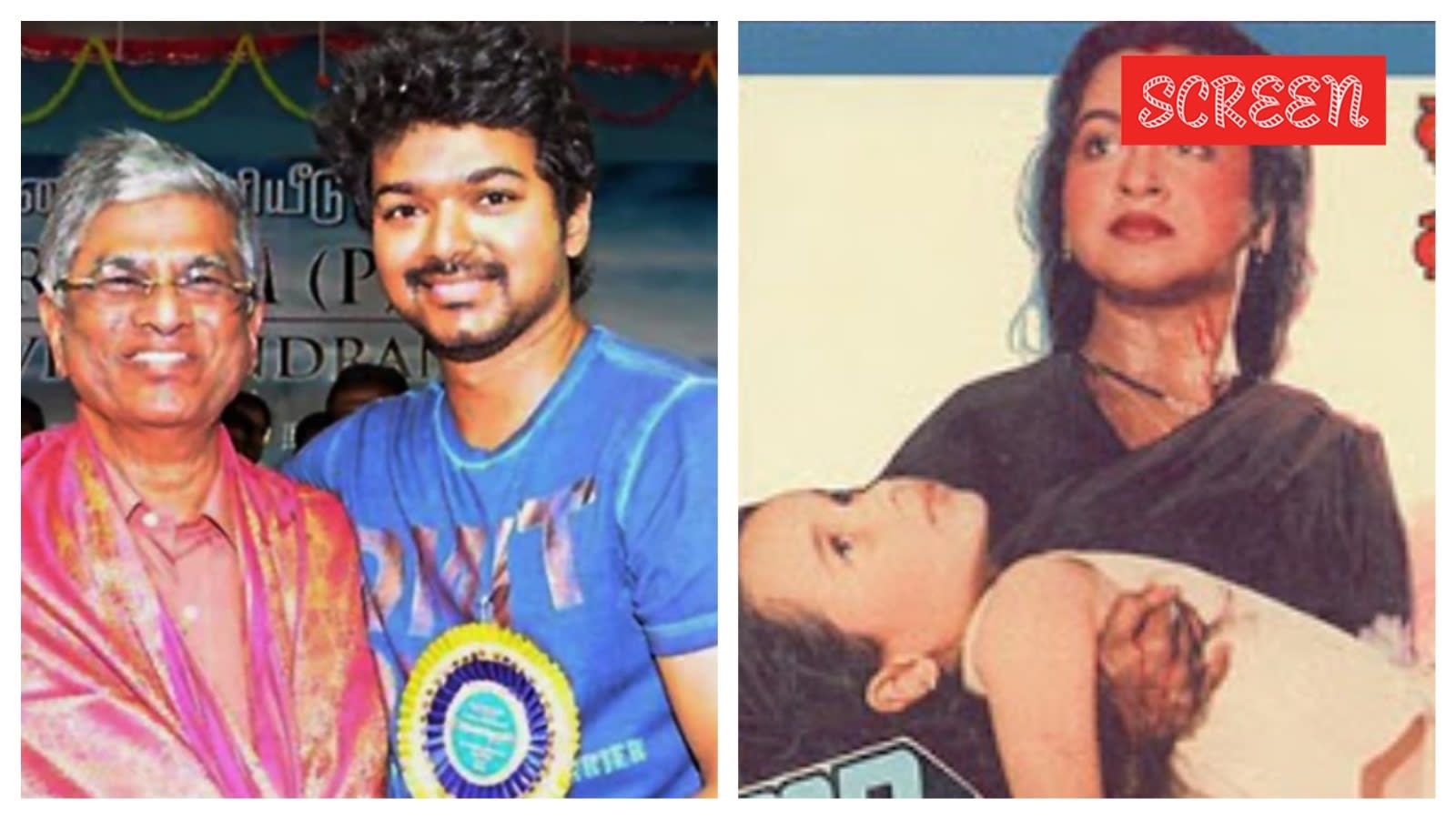
Veteran filmmaker SA Chandrasekhar was initially hesitant to direct in Bollywood following early setbacks. Producer KC Bokadia, encouraged by actress Radhikaa Sarathkumar, eventually convinced him to helm the hit film Kudrat Ka Kanoon.
The Cinematic Journey of SA Chandrasekhar: Overcoming Bollywood Hesitation
The Struggle of a Southern Titan in the North
SA Chandrasekhar, a stalwart of the Tamil film industry and the father of actor and current Tamil Nadu Chief Minister Vijay, holds a storied reputation for his directorial prowess in South India. However, his transition into the Hindi film industry during the mid-1980s was fraught with professional anxiety. Following a directorial debut in Bollywood that failed to resonate with audiences, Chandrasekhar found himself skeptical about his future in Hindi cinema. This period of professional doubt highlights the significant cultural and systemic barriers that even established regional filmmakers often encounter when attempting to pivot to the national stage.
The Catalyst: Radhikaa Sarathkumar’s Intervention
The trajectory of Chandrasekhar’s Bollywood career was altered by a serendipitous professional connection. Actress Radhikaa Sarathkumar, who had established a strong working relationship with producer KC Bokadia through successful projects like Naseeb Apna Apna and Asli Naqli in 1986, played a pivotal role. Having starred in Chandrasekhar’s highly successful Tamil courtroom drama Neethikku Thandanai (1987), Radhikaa served as the vital bridge between the hesitant director and the ambitious producer, recognizing the untapped potential for a Hindi remake.
The Role of KC Bokadia in Shaping Success
Producer KC Bokadia, known for his keen eye for commercially viable scripts, saw merit in the narrative structure of Neethikku Thandanai. By securing the remake rights, he sought to bring Chandrasekhar’s unique storytelling style to a pan-Indian audience. The process required more than just business negotiation; it necessitated personal intervention. Radhikaa and her mother were instrumental in facilitating a meeting at Bokadia’s office, effectively convincing the veteran filmmaker to reconsider his stance on working in Hindi cinema.
Kudrat Ka Kanoon and Legacy
The resulting film, Kudrat Ka Kanoon, served as a redemption arc for Chandrasekhar in the Hindi market. The film proved that the thematic depth of South Indian courtroom dramas could successfully transcend linguistic barriers when handled with the right collaborative spirit. This success story serves as a testament to the importance of networking and cross-industry collaboration, which have historically been the backbone of the Indian film industry’s growth.
Broader Implications for Regional Cinema
This historical anecdote reflects a broader trend in Indian cinema where regional directors often require a 'nudge' or a reliable partner to navigate the complexities of Bollywood. The transition from the South to the North is rarely linear, often involving high stakes and the risk of failure. The story of Kudrat Ka Kanoon is not just about a single film, but about the resilience of filmmakers who must constantly adapt to new markets, audience sensibilities, and production environments to maintain their creative longevity.