'Failure is okay, cheating is not': Sachin Tendulkar speaks out on NEET protests
Source Entity
TOI SPORTS DESK
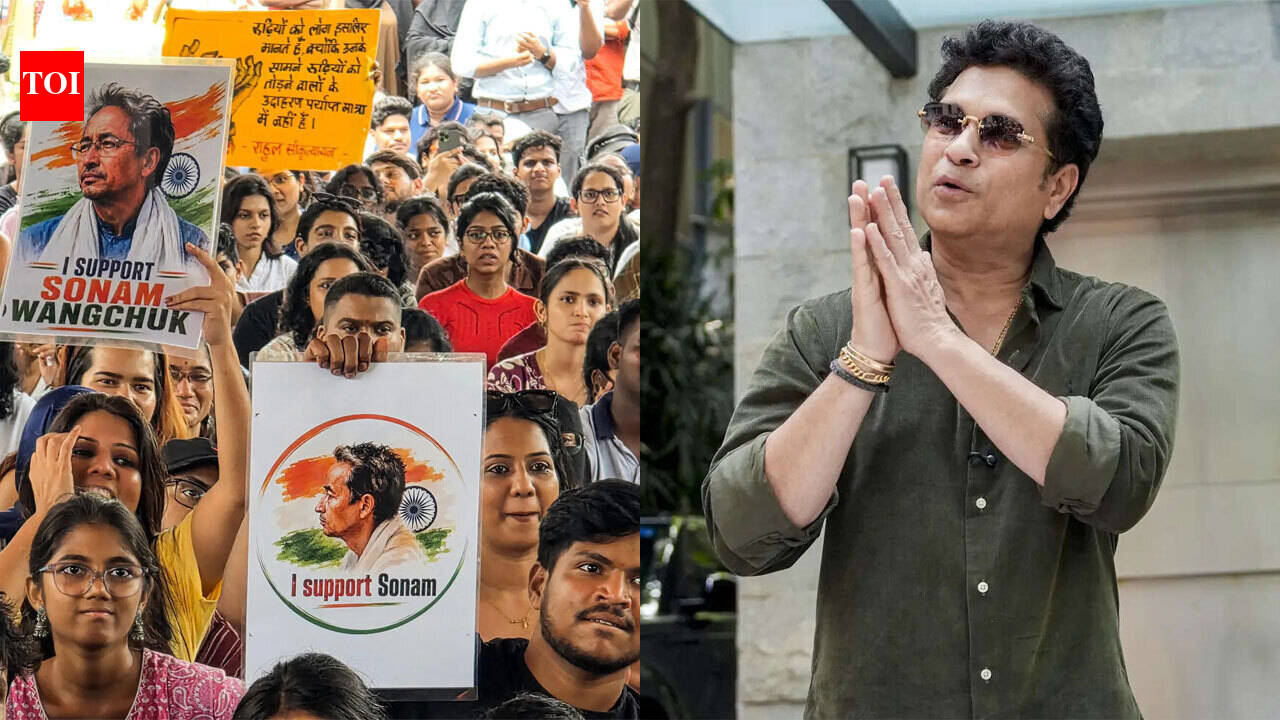
Cricket legend Sachin Tendulkar has addressed the ongoing NEET protests, emphasizing the importance of meritocracy and hard work over shortcuts. His comments come as student demonstrations in Delhi intensify amid allegations of police heavy-handedness and systemic education failures.
The Ethics of Meritocracy: Sachin Tendulkar’s Intervention in the NEET Crisis
A Call for Integrity in Education
Cricket legend Sachin Tendulkar has publicly waded into the volatile discourse surrounding the NEET exam protests, offering a nuanced perspective on the value of hard work and the dangers of compromising academic integrity. By stating that "failure is okay, but cheating is not," Tendulkar has centered the debate on the foundational principles of meritocracy. His intervention serves as a moral appeal to a society currently grappling with widespread allegations of exam irregularities, suggesting that the pursuit of shortcuts undermines the long-term character development of the nation's youth.
Reflecting on Foundational Values
Beyond the immediate political friction, Tendulkar’s commentary is deeply rooted in personal reflection. By recalling the values instilled in him by his late father, he attempts to bridge the gap between competitive success and ethical conduct. This narrative arc—moving from individual struggle to collective responsibility—highlights the tension between a high-pressure educational environment that demands perfection and the necessity of maintaining a fair playing field. For many students currently feeling the weight of systemic failures, this message serves as both a validation of their frustration and a reminder of the virtues of perseverance.
Escalating Tensions and Political Fallout
The timing of Tendulkar's statement coincides with a significant escalation in the student movement. As the monsoon session of Parliament commenced on July 20, thousands of students gathered in central Delhi to protest against alleged irregularities in the NEET examination process. The demands have evolved from simple grievance redressal to calls for the resignation of Education Minister Dharmendra Pradhan. The involvement of political entities like the CJP (Cockroach Janta Party) in organizing these marches underscores the transformation of an academic issue into a high-stakes political standoff.
The Human Cost of Protest
Reports emerging from the ground in Delhi paint a troubling picture of the current state of civil discourse. Protesters have alleged that law enforcement responded to the demonstrations with lathi charges and the use of tear gas, tactics that have drawn sharp criticism from public figures, including cricketers Shikhar Dhawan and Mohammad Kaif. These athletes have joined the chorus of voices demanding fair resolutions and an end to the perceived mistreatment of students, highlighting a growing consensus that the state’s response to student grievances has been disproportionate.
The Broader Implications for India’s Education System
This situation represents a critical juncture for India's competitive examination framework. The NEET controversy is not merely about a single test; it reflects a systemic crisis in how the nation vets its future medical professionals. When the integrity of such a vital gateway is questioned, the trust of millions of families is eroded. Future trends suggest that unless there is a transparent, structural reform—rather than temporary political pacification—the cycle of student protests will likely persist, further straining the relationship between the governing bodies and the youth of India.
Conclusion: Moving Toward Reform
Ultimately, the discourse led by Tendulkar and other prominent figures highlights the need for a balanced approach. While the state must ensure the security of its examination processes to prevent "cheating," it must also create an environment where the "hard work" of students is not met with police barricades. The path forward requires a shift from reactionary measures to proactive, transparent policy-making that prioritizes the meritocratic aspirations of India's student population.