Antilia bomb scare: Sachin Waze gets bail, court says ‘no evidence Ambanis were terrorised’
Source Entity
Omkar Gokhale
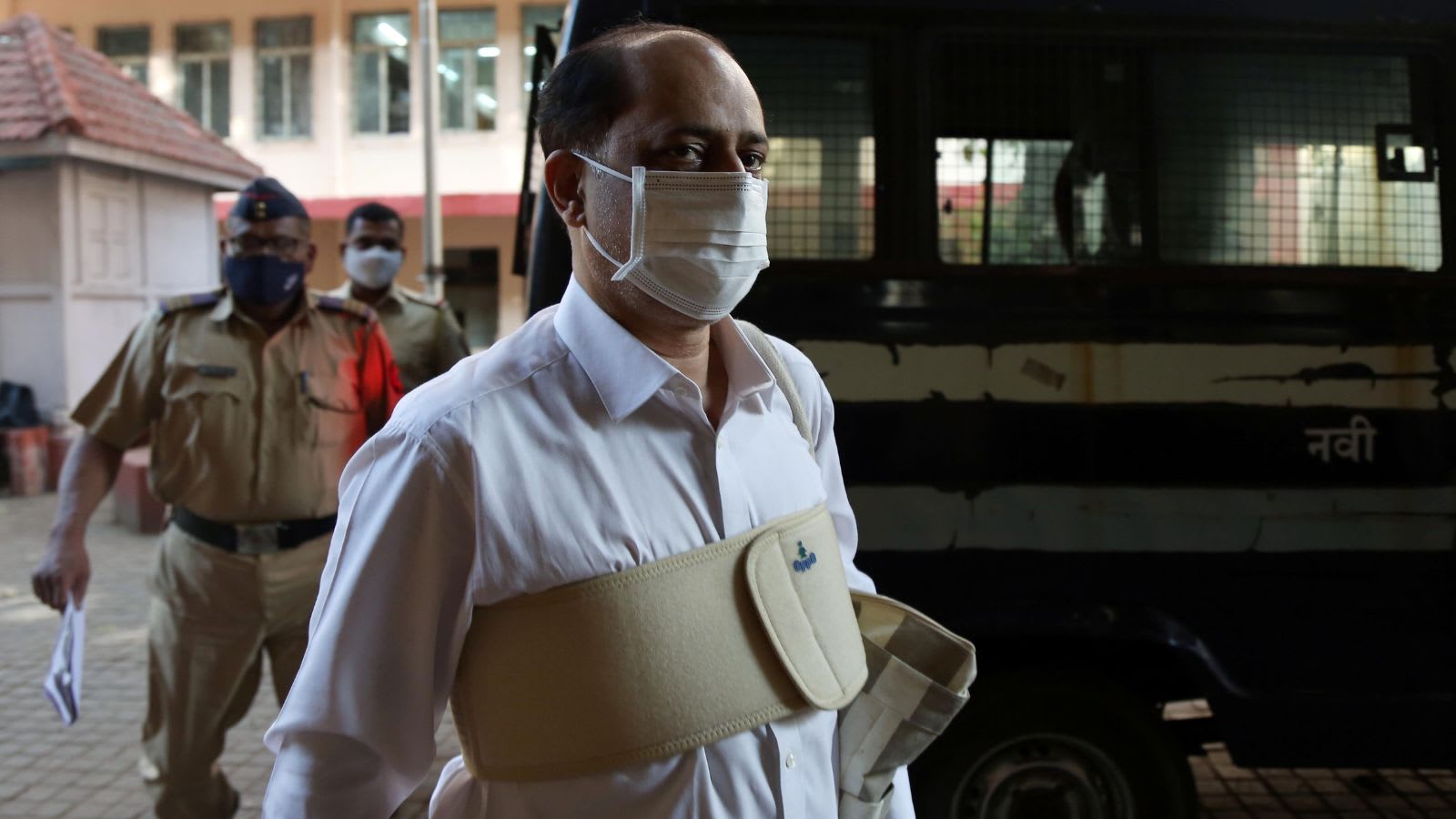
A Mumbai special court has granted bail to former police officer Sachin Waze in the Antilia bomb scare case. The court ruled that the evidence failed to prove a terrorist act under the UAPA or that the Ambani family was terrorized.
The Antilia Case: Legal Developments and Judicial Scrutiny
A Shift in Legal Standing
The recent decision by a special court in Mumbai to grant bail to dismissed police officer Sachin Waze marks a significant turning point in the high-profile Antilia bomb scare case. Waze, who had been incarcerated following investigations by the National Investigation Agency (NIA), has now been granted relief after the court scrutinized the evidentiary threshold required for charges under the Unlawful Activities (Prevention) Act (UAPA). The court’s decision hinges on the fundamental legal requirement that a 'terrorist act' must involve the intent to terrorize, a component the court found lacking in the current prosecution record.
Analyzing the UAPA Threshold
At the heart of the judicial observation is the interpretation of Section 15 of the UAPA. Special Judge Chakor S. Baviskar noted that the acts attributed to Waze, while serious in nature, did not prima facie satisfy the statutory definition of terrorism. By clarifying that the prosecution failed to establish the necessary element of public or individual terror, the court has highlighted the rigorous standards required to maintain charges under stringent anti-terror laws. This development underscores the judiciary's role in ensuring that such powerful statutes are applied only when specific legal criteria are met.
The Ambani Factor and Intent
One of the most compelling aspects of the court’s order is the explicit rejection of the claim that the Ambani family was the subject of terror. The court stated, “There is absolutely nothing on record even to infer by any stretch of imagination that the Ambanis or any one of them were ever terrorised in any manner.” This finding effectively decouples the incident from the targeted terror narrative that initially propelled the case into the national spotlight. By suggesting the 'facts appear otherwise,' the court has opened a broader conversation regarding the underlying motives of the accused, which may not align with traditional definitions of terrorism.
Procedural Context and Detention
Beyond the interpretation of the law, the court’s decision was significantly influenced by the duration of Waze’s incarceration. Having served a minimum of five years in custody, the court concluded that the material currently on record was insufficient to justify the continued denial of bail. This reflects the broader Indian judicial principle that prolonged pre-trial detention, without a clear path toward conviction on the most severe charges, necessitates a re-evaluation of personal liberty. The ruling balances the gravity of the allegations against the defendant's right to a timely trial process.
Broader Implications and Future Trends
This ruling serves as a reminder of the complexities inherent in high-profile investigations where police officers are accused of orchestrating incidents they were meant to prevent. As the case moves forward, the legal focus will likely shift from the UAPA framework to other sections of the Indian Penal Code, as the court has signaled a clear reluctance to view the event through the lens of institutional terrorism. Moving forward, the prosecution faces the challenge of re-characterizing the incident in a way that aligns with the court’s current assessment, potentially altering the trajectory of the ongoing legal battle significantly.