‘Bole So Nihaal’, ‘Jai Shri Ram’, & ‘future CM’ tag: Alliance spirit visible at Sukhbir Singh Badal’s outreach
Source Entity
Raakhi Jagga
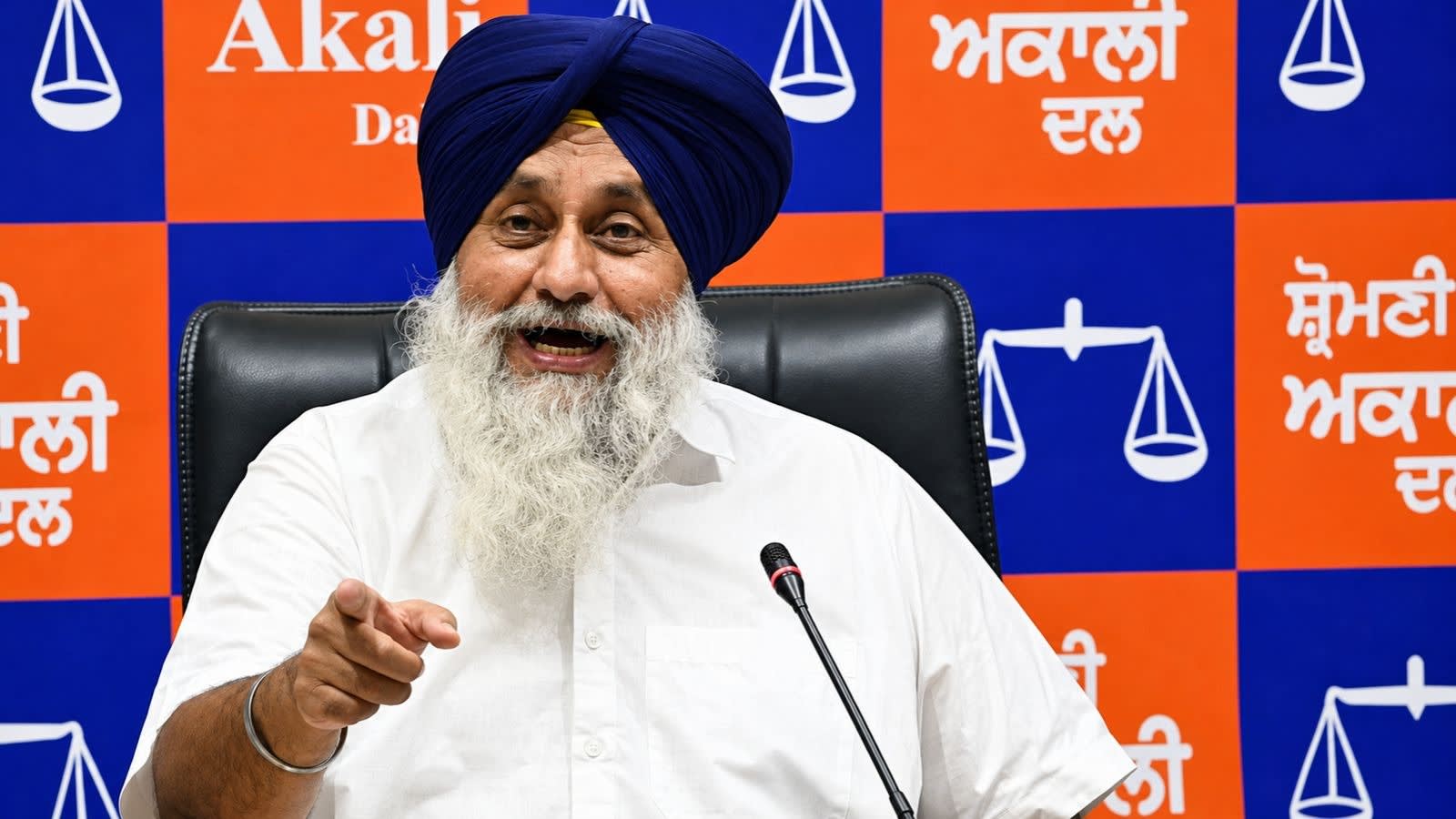
The SAD and BJP have reunited for the 2027 Punjab assembly elections after their 2020 split over farm laws left both parties marginalized. This strategic alliance aims to challenge the Aam Aadmi Party and Congress, though critics view the reunion as a sign of mutual political vulnerability.
The Resurgence of the SAD-BJP Alliance: A Strategic Realignment
The political landscape of Punjab has undergone a seismic shift with the formal reunification of the Shiromani Akali Dal (SAD) and the Bharatiya Janata Party (BJP). After a bitter divorce in 2020, triggered by the controversial farm laws that alienated the farming base of the Akalis, the two parties have decided to bury the hatchet. This partnership, which historically spanned nearly 24 years, was officially revived in New Delhi by Union Home Minister Amit Shah, BJP President Nitin Nabin, and SAD President Sukhbir Singh Badal on the auspicious occasion of Guru Nanak Jayanti.
Historical Context and Electoral Dynamics
For over two decades, the SAD-BJP alliance was a cornerstone of Punjab politics, centered on the ethos of "Punjab, Punjabi, and Punjabiyat." Between 1997 and 2017, the coalition contested five assembly elections together, securing victory in three. However, the decision to part ways in 2022 proved catastrophic for both. Contesting separately, they were relegated to the margins as the Aam Aadmi Party (AAP) achieved a historic electoral sweep. This failure served as a pragmatic catalyst for the current reunion, as both parties recognized that their individual political survival was at stake.
The Strategic Rationale
By joining forces for the 2027 assembly elections, the SAD and BJP have transformed a fragmented opposition into a formidable challenge. Had they remained separate, the split in the opposition vote would have effectively ceded ground to the AAP and the Congress. Now, the alliance forces a more competitive, four-cornered fight. Notably, the BJP has ceded the position of "big brother" to the SAD, with Amit Shah confirming that the Akalis will have the primary say in selecting the chief ministerial candidate, a move designed to soothe the regional pride of the SAD’s rural base.
Opposition Perspectives: The Congress Strategy
While the alliance has bolstered the prospects of the SAD and BJP, the Congress party views this development with cautious optimism. Following the first meeting of the Congress’ Punjab Election Committee, leadership expressed satisfaction, suggesting that the reunion is an admission of "precarious" political positioning by both parties. Congress leaders are betting that the forced nature of this alliance, particularly regarding the contentious history of the farm laws, will provide them with an opening to frame the narrative as one of political desperation rather than ideological cohesion.
Future Trends and Electoral Outlook
As the state heads toward the 2027 polls, the success of this alliance will depend on whether the grassroots supporters of both parties—particularly rural farmers—can forgive the past friction caused by the farm laws. While the alliance hopes to consolidate the traditional vote share that once made them a dominant force, they face the challenge of convincing an electorate that has grown accustomed to new political alternatives. The coming months will be a test of whether this "reunion of convenience" can evolve into a coherent governance agenda capable of reclaiming the state from the incumbent power structures.
Multiple Citing Sources