Opinion: Opinion | Sajjan Kumar, Congress, And How To Keep Messing Up An 'Apology'
Source Entity
NDTV News Search Records Found 1000
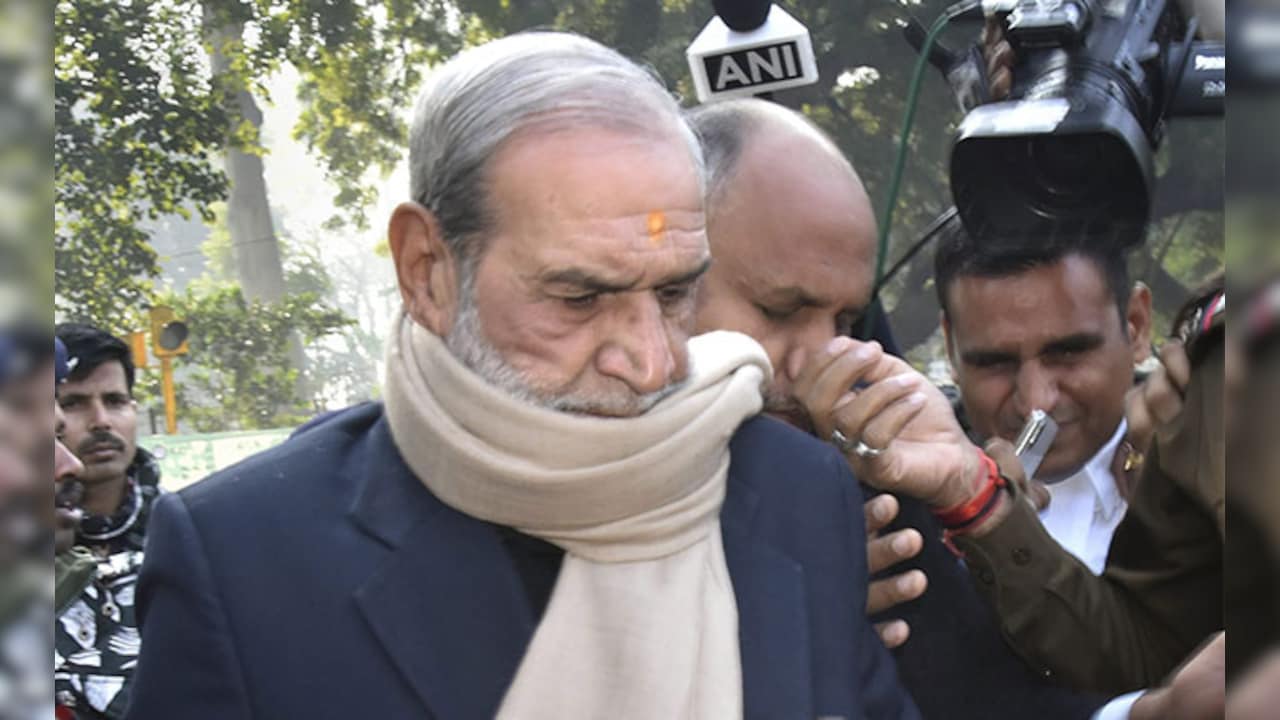
The death of convicted 1984 anti-Sikh riots figure Sajjan Kumar has sparked political controversy following praise from a Congress MP. The Delhi High Court has subsequently abated his ongoing appeal against his life sentence conviction.
The Legacy of 1984: Sajjan Kumar and the Politics of Remembrance
The recent death of former Congress Member of Parliament Sajjan Kumar, who passed away at the age of 80 while serving two life sentences in Tihar Jail, has reignited long-standing tensions surrounding the 1984 anti-Sikh riots. Kumar’s conviction, which stemmed from the brutal killings of Jaswant Singh and his son Tarundeep Singh in Saraswati Vihar on November 1, 1984, remains a pivotal moment in the legal history of post-independence India. The riots, triggered by the assassination of Prime Minister Indira Gandhi on October 31, 1984, continue to cast a long shadow over the nation's political landscape.
Legal Closure and the Abatement of Appeals
Following his death on August 20, the judicial process concerning his criminal liability reached a formal conclusion. On August 25, 2026, the Delhi High Court bench comprising Justices Prathiba M. Singh and Vikas Mahajan officially closed the appeal that Kumar had filed to challenge his 2025 trial court conviction. By declaring the appeal abated, the court underscored the finality of the judicial process, leaving the life sentences imposed by the lower court as the last legal word on his involvement in the horrific events of 1984.
The Political Fallout of Unfiltered Tributes
The controversy deepened when a sitting Congress MP publicly referred to Kumar’s death as an "irreparable loss," characterizing his bond with the people of Delhi as an "example." This sentiment, voiced in support of a man convicted of orchestrating violence against a minority community, drew immediate and sharp criticism. Such rhetoric highlights the persistent friction within political parties when balancing historical party loyalties against the moral imperatives of modern justice and public accountability.
Internal Party Dissent and Retractions
The fallout extended into the Haryana political sphere, where Congress leader Deepinder Hooda found himself at the center of the storm. Following the backlash regarding remarks attributed to him concerning the late MP, Hooda was compelled to walk back his comments and express public regret. This incident serves as a case study in the volatility of political communication in the digital age, where statements regarding sensitive historical figures can quickly escalate into intra-party crises.
Historical Context and Broader Implications
For decades, the 1984 anti-Sikh riots have been a litmus test for the Indian judicial system and the political establishment. The delayed convictions in cases like Kumar's have often been cited by critics as evidence of systemic impunity. The fact that his death has prompted both legal closure and immediate political maneuvering demonstrates that the trauma of 1984 remains an active, rather than dormant, element of Indian political discourse.
Future Trends in Political Accountability
Looking ahead, this episode suggests that political parties will face increasing pressure to adopt a more consistent stance on historical violence. As younger generations of voters demand greater transparency and moral clarity, the tendency to offer traditional "tributes" to figures tainted by communal violence is likely to be met with heightened scrutiny. The abatement of the legal appeal marks the end of a specific trial, but the debate over political accountability for the events of 1984 is far from settled.
Multiple Citing Sources
Verification Required?