Umar Khalid and Sharjeel Imam are ‘masterminds’, detention justified, Delhi Police tells HC in bail pleas in 2020 riots larger conspiracy case
Source Entity
Sohini Ghosh
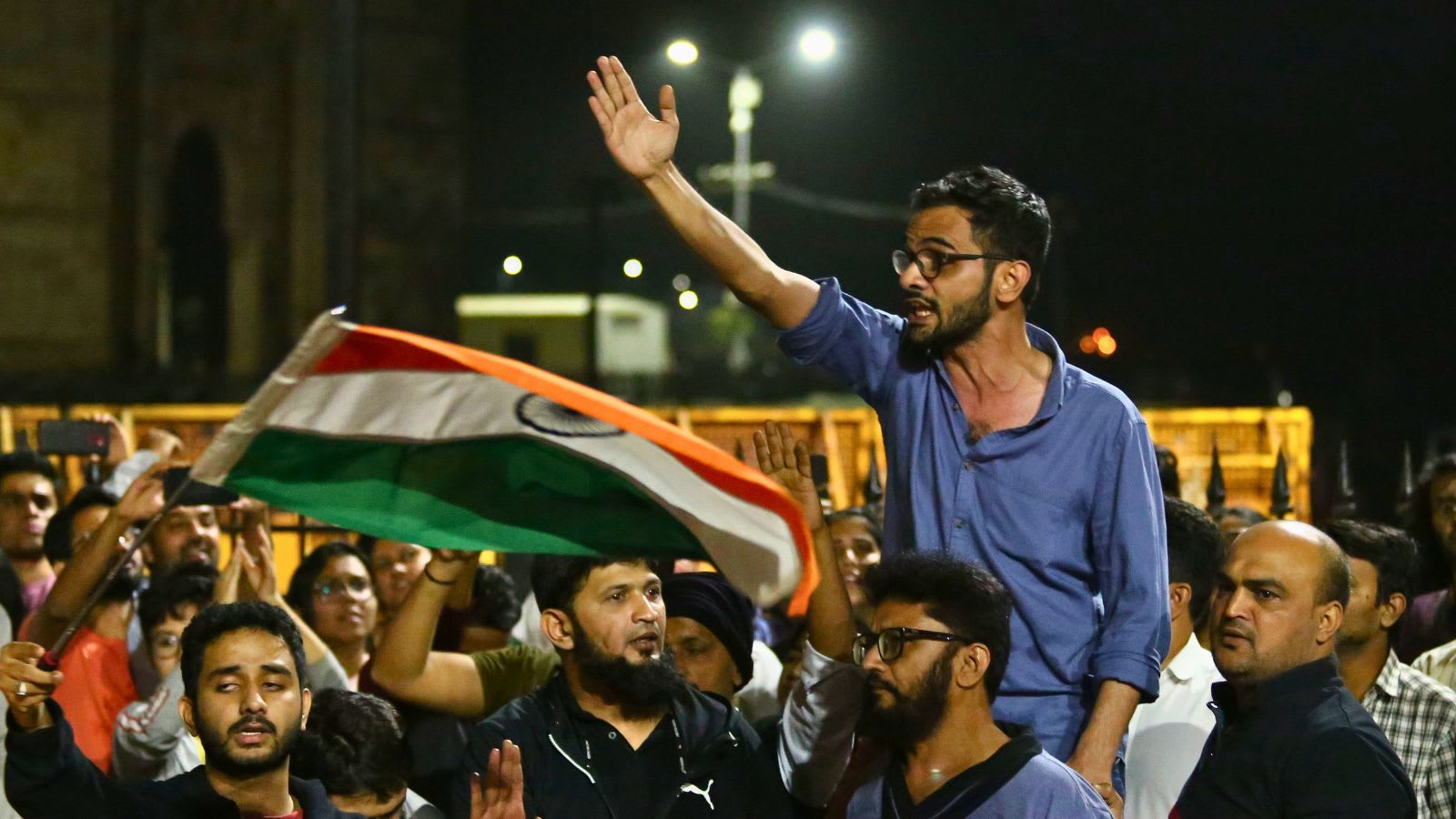
Former AAP councillor Tahir Hussain has appealed his conviction in the Ankit Sharma murder case, alleging a tainted investigation. Simultaneously, Delhi Police is opposing bail for Umar Khalid and Sharjeel Imam, labeling them masterminds in the 2020 Delhi riots conspiracy.
Legal Challenges and Contested Narratives in the 2020 Delhi Riots
The legal aftermath of the 2020 Northeast Delhi riots remains a focal point of intense judicial scrutiny. Recent developments indicate that former Aam Aadmi Party (AAP) councillor Tahir Hussain has officially approached the Delhi High Court to challenge his conviction and life sentence related to the murder of Intelligence Bureau (IB) official Ankit Sharma. This appeal marks a significant escalation in the legal battle, as Hussain contends that the entire investigative process was fundamentally flawed and politically motivated.
Allegations of Procedural Irregularities
In his petition, filed on August 24, Tahir Hussain, through his legal representative advocate Rajiv Mohan, has leveled serious accusations against the investigative agencies. The appeal claims that the First Information Report (FIR) was both ante-dated and ante-timed, suggesting a deliberate attempt to manipulate the legal record. Furthermore, the petition alleges that witnesses were planted and genuine eyewitness statements were systematically altered to secure a conviction. Hussain argues that the investigation was designed to satiate public anger rather than uncover the truth, rendering the trial court's July 13 and July 31 orders legally unsustainable.
The 'Mastermind' Theory in the Larger Conspiracy Case
Parallel to the Hussain case, the Delhi High Court is currently deliberating on the bail pleas of activists Umar Khalid and Sharjeel Imam. These individuals are implicated in the "larger conspiracy" case surrounding the 2020 riots. The Delhi Police has maintained a firm stance, characterizing both Khalid and Imam as the "masterminds" of the violence. The police argue that their continued incarceration is essential to the integrity of the ongoing judicial process, relying heavily on a January Supreme Court judgment that established a hierarchy of culpability among the various accused parties.
Judicial Precedent and Legal Complexity
The Delhi Police’s opposition to bail is anchored in the Supreme Court’s previous refusal to grant relief to Khalid and Imam, even while bail was extended to five other co-accused. This distinction in legal status highlights the court's focus on the specific roles played by different individuals in the alleged conspiracy. The police contention underscores a broader legal strategy that seeks to differentiate between those accused of localized violence and those accused of orchestrating the wider unrest, a distinction that remains a subject of intense debate in the High Court.
Broader Implications for Justice
These concurrent legal proceedings highlight the immense complexity of the 2020 Delhi riots cases. The accusations of fabricated evidence in the Hussain case, juxtaposed with the state's reliance on the "mastermind" classification for activists like Khalid and Imam, point to a highly polarized legal environment. As the High Court prepares to hear these matters, the outcomes will likely set significant precedents regarding the evidentiary standards for conspiracy charges and the reliability of police investigations in politically charged cases.
Future Trends in Accountability
Looking forward, the resolution of these appeals will be critical in determining the public perception of the judiciary's role in the aftermath of civil unrest. If the allegations of tainted investigations are addressed with transparency, it could lead to a re-evaluation of how such cases are handled in the future. Conversely, if the courts uphold the existing convictions and bail denials, it will solidify the state's current approach to prosecuting riot-related offenses. The coming weeks, as these cases move forward in the Delhi High Court, will be pivotal for all parties involved.
Multiple Citing Sources