Sam Altman is still making the case for parenting via ChatGPT
Source Entity
Anthony Ha
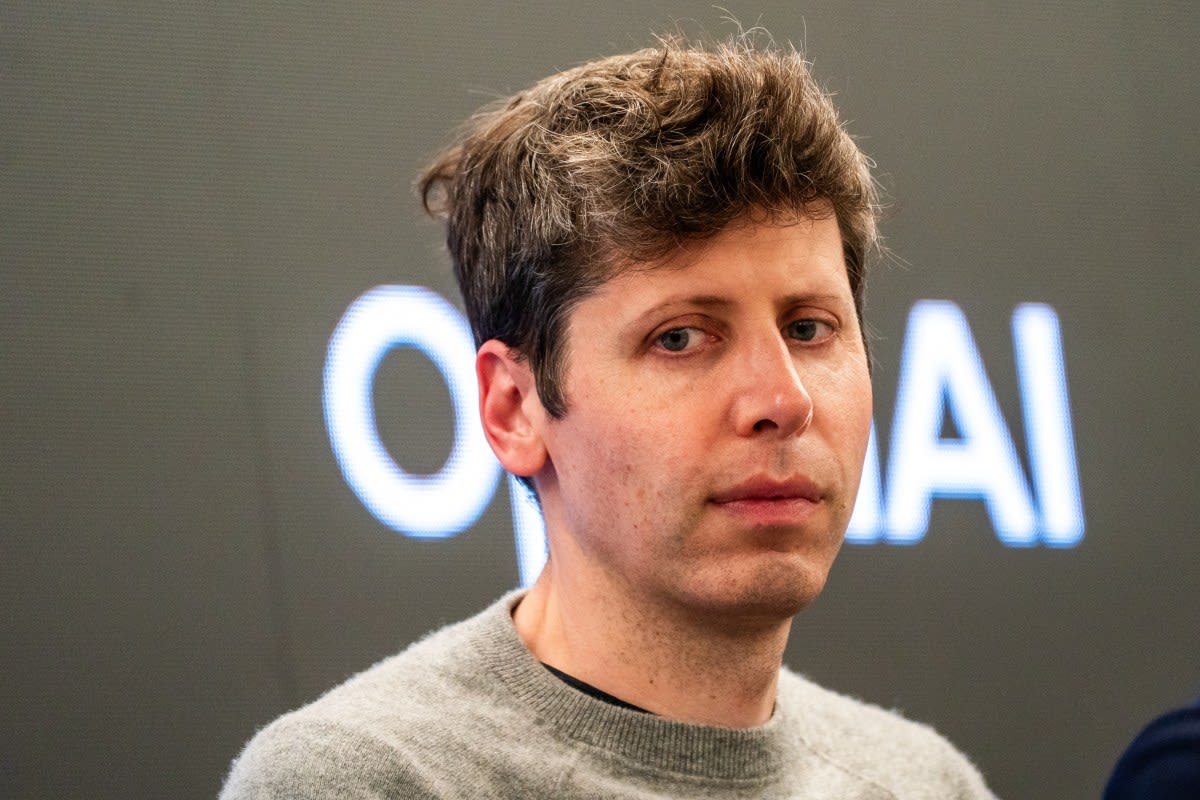
OpenAI CEO Sam Altman faced backlash after suggesting parents use ChatGPT to generate morning podcasts for their children. Critics, including Gravity Falls creator Alex Hirsch, questioned the wisdom of replacing direct parental interaction with AI-generated content.
The AI-Parenting Debate: When Automation Meets Family Life
OpenAI CEO Sam Altman recently sparked a significant discourse regarding the role of artificial intelligence in domestic life. By suggesting that parents utilize the new 'ChatGPT Work' feature to synthesize family calendars and children’s personal interests into a daily, AI-generated morning podcast for school commutes, Altman aimed to highlight the efficiency of his company's latest tools. However, the proposal immediately hit a wall of public skepticism, illustrating a growing friction between technological convenience and the preservation of human connection.
The Backlash Against 'Optimization'
The criticism was swift and notable, led by Alex Hirsch, the creator of the popular animated series Gravity Falls. His concise retort—'What if you just talked to your children?'—garnered more viral attention than the initial suggestion itself. This reaction highlights a broader cultural anxiety regarding the 'optimization' of human experiences. While proponents of AI argue that it saves time for busy parents, critics view the delegation of storytelling and morning engagement to an algorithm as a degradation of the parent-child bond.
Efficiency vs. Emotional Presence
At the core of this debate is the question of what constitutes a 'cool use case.' For OpenAI, the metric of success is often functional utility—streamlining workflows and managing data. For the public, however, parenting is viewed through the lens of emotional presence. By attempting to automate the morning school run—a time traditionally reserved for organic conversation and check-ins—Altman’s suggestion touched a nerve regarding how much of the human experience should be outsourced to Large Language Models.
The Broader Implications of AI Integration
This incident serves as a microcosm for the larger trajectory of AI development. As tools like ChatGPT become increasingly integrated into professional and personal workflows, the boundary between 'helpful automation' and 'social isolation' becomes blurred. When companies push for AI to occupy social spaces, they risk creating a disconnect where efficiency is prioritized over the nuance of interpersonal relationship building, which relies on spontaneity rather than structured data inputs.
Historical Context and Future Trends
Historically, every major leap in domestic technology—from the radio to the television to the smartphone—has been met with concerns about its impact on family life. The difference here is the generative nature of AI. Unlike passive media, generative AI actively crafts narratives and interacts with users, potentially altering the way children perceive reality and their own parents. Looking forward, we can expect a continued tug-of-war between tech developers seeking to maximize utility and a public that is increasingly wary of the 'uncanny valley' created when algorithms simulate intimate human roles.
Conclusion
Ultimately, Sam Altman’s suggestion highlights the gap between a technologist's vision of a frictionless life and the reality of human relationships. While ChatGPT Work may indeed be a powerful tool for productivity, the public response suggests a clear limit to where society wants AI to intervene. As we move forward, the most successful AI applications will likely be those that augment human connection rather than attempting to replace it with automated content.