Opposition can’t afford a long seat-sharing saga in UP
Source Entity
Latest News: Todays Latest News Headlines from India & World | Hindustan Times
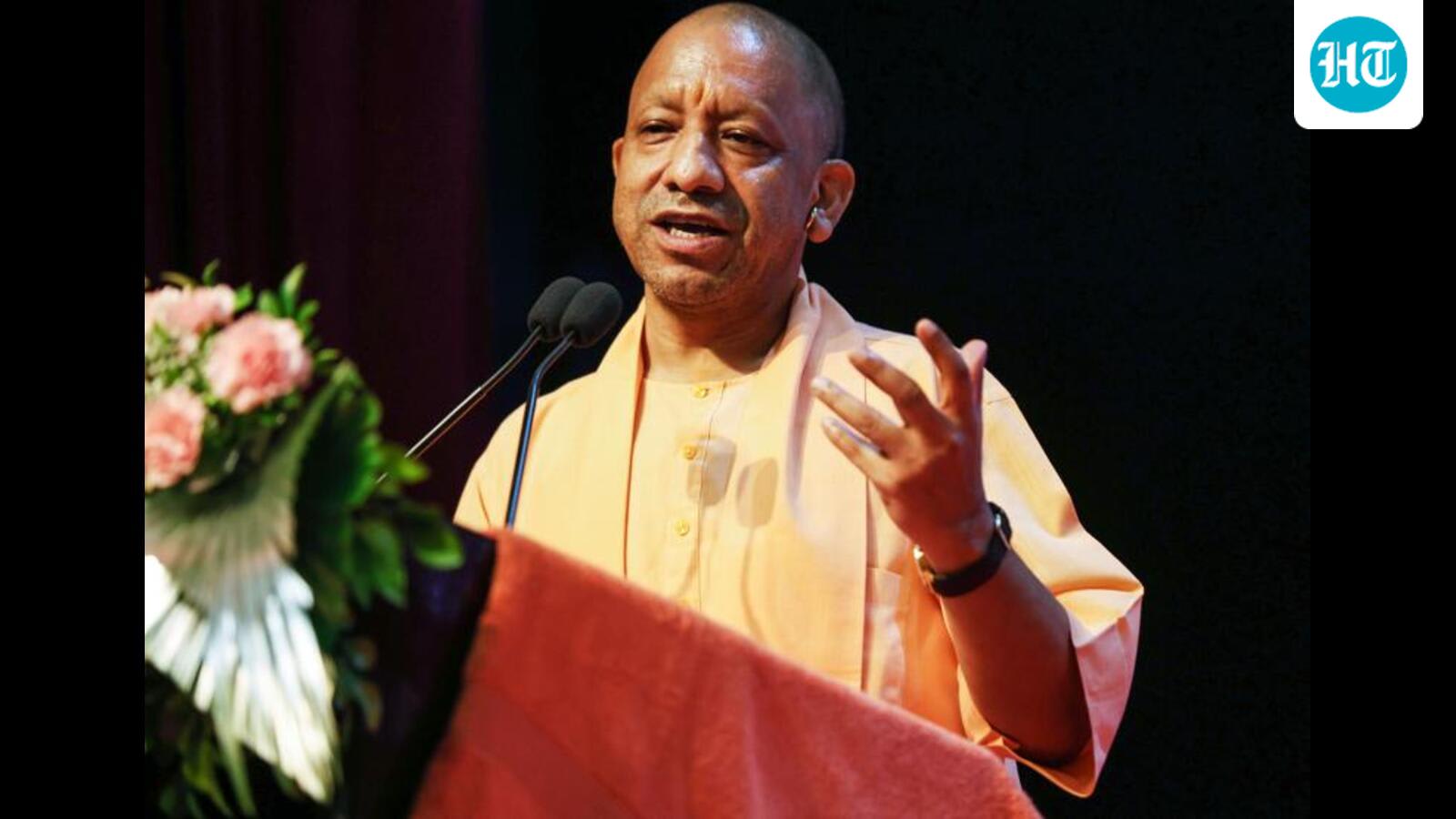
The Samajwadi Party and Congress have entered preliminary seat-sharing negotiations for the 2027 Uttar Pradesh Assembly elections. While the Congress seeks a larger share based on recent electoral gains, the SP maintains its position as the primary opposition force in the state.
The Strategic Stakes of UP Seat-Sharing Negotiations
As Uttar Pradesh approaches the 2027 Assembly elections, the INDIA bloc faces a critical juncture in its seat-sharing strategy. Samajwadi Party (SP) chief Akhilesh Yadav has publically acknowledged that the Congress is seeking a substantial portion of the state's 403 assembly seats—reportedly between 150 and 200—marking a significant departure from their previous electoral engagements. This negotiation is not merely a numbers game but a reflection of shifting power dynamics within the opposition.
The Congress's Ambition vs. The SP's Ground Reality
The Congress party’s push for a larger share is fueled by the momentum from the 2024 Lok Sabha elections, where the alliance achieved an impressive tally of 43 seats. Having performed well, the Congress now argues that political conditions in the state have fundamentally changed since the 2022 polls. However, the Samajwadi Party remains the undisputed primary opposition force in the state, bolstered by a more robust organizational structure and a deeply entrenched social coalition that has historically proven resilient in Uttar Pradesh’s complex electoral landscape.
The Challenge of the Bharatiya Janata Party (BJP)
The urgency of these talks is underscored by the formidable presence of the BJP in Uttar Pradesh. The ruling party possesses deep organizational networks and the distinction of having the only Chief Minister in a generation to secure a second consecutive term. Furthermore, the BJP has shown strong national resilience, recovering from the 2024 Lok Sabha results to secure key victories in Haryana, Maharashtra, Bihar, and West Bengal. This national trend suggests that the Opposition cannot afford a protracted or bitter seat-sharing saga if they hope to mount a credible challenge.
Leadership Dynamics and Coordination
To manage these delicate negotiations, the Congress has positioned Priyanka Gandhi to lead the discussions with the Samajwadi Party. This high-level involvement indicates that both parties recognize the gravity of the situation. By elevating the dialogue to a leadership level, the parties hope to avoid the public friction that has plagued previous coalition efforts, aiming instead for a streamlined agreement that aligns with the realities of their respective electoral strengths.
Future Trends and Implications
Looking ahead, the success of this alliance will depend on whether both parties can balance their internal ambitions with the broader goal of defeating the BJP. If the negotiations drag on, it could signal weakness and disunity to the electorate, potentially playing into the hands of the ruling party. Conversely, a swift and amicable resolution could provide a blueprint for opposition unity in other key states. The 2027 election is shaping up to be a test of whether the INDIA bloc can move beyond localized seat-sharing disputes to present a cohesive, state-wide alternative to the current administration.
Verification Required?