‘There’s a human on the other side’: Samay Raina backs ‘man-hater’ Sakshi Jha amid trolling
Source Entity
The Indian Express
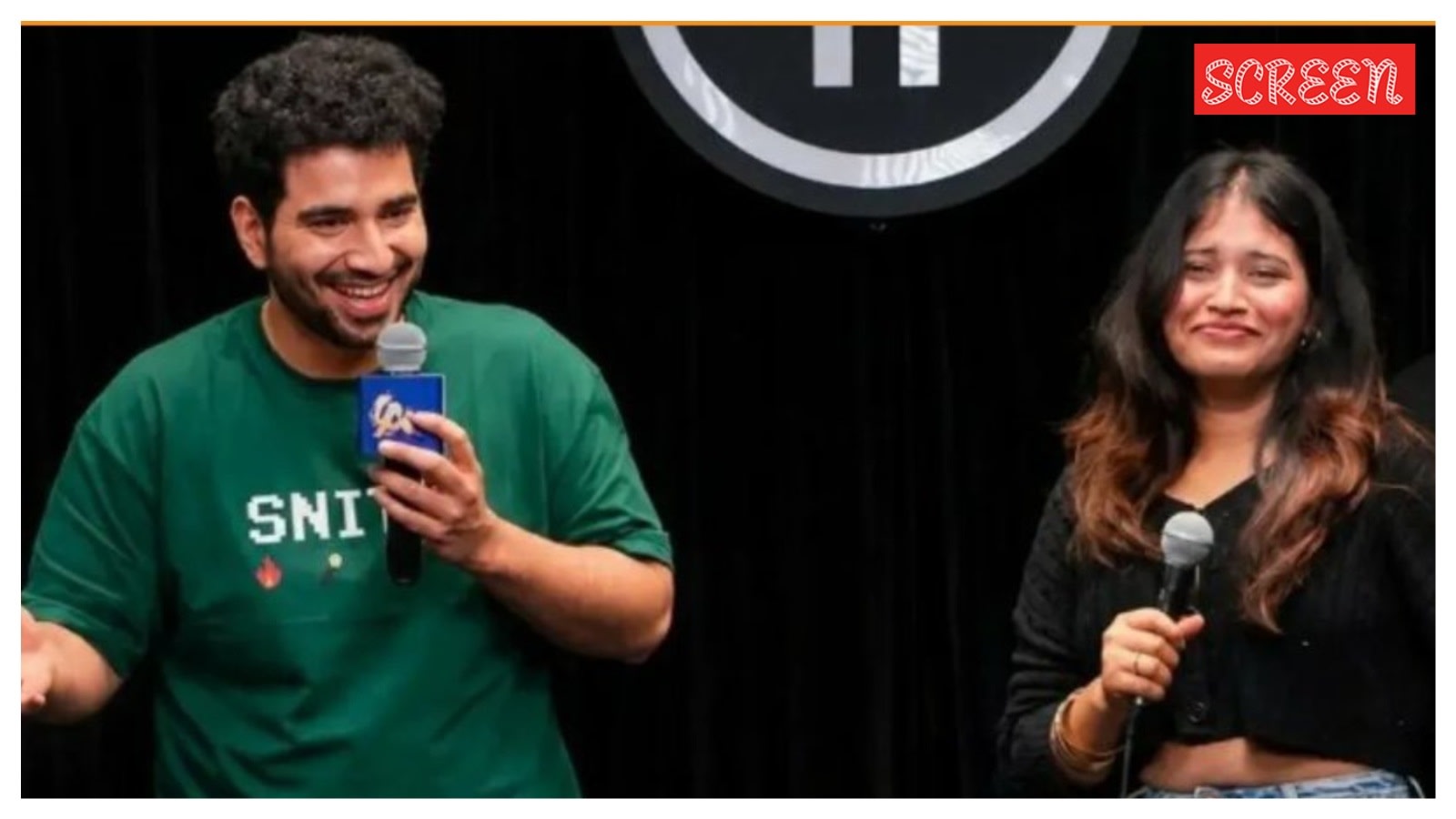
Comedian Samay Raina has urged his followers to stop trolling Sakshi Jha after her controversial 'man-hating' set on India's Got Latent season 2. Despite the initial annoyance of the panelists, Raina stepped in to defend Jha from online harassment.
The Intersection of Provocative Comedy and Digital Backlash
The latest episode of India’s Got Latent season 2 has sparked a significant conversation regarding the boundaries of roast comedy and the subsequent volatility of social media reactions. The episode featured Sakshi Jha, who identified herself as a "man-hater" and utilized her set to berate men. While the show's format is built upon the premise of roasting and pushing boundaries, the raw nature of Jha's performance created a palpable tension, not only with the host Samay Raina but also with a high-profile panel including music composer Vishal Dadlani, former Roadies judge Raghu Ram, YouTuber Tanmay Bhat, and rapper Yashraj.
The Dynamic of the 'Roast' vs. Reality
Within the context of the show, the annoyance expressed by Samay Raina and the guest panelists served as a narrative foil to Sakshi Jha's provocative stance. In the world of stand-up and roast culture, conflict is often a tool used to generate entertainment and engagement. However, the transition from a controlled studio environment to the unregulated space of the internet often strips away the "performance" aspect of the act. In this instance, the audience did not view Jha's set as a comedic exercise but as a literal manifestation of hate, leading to an explosion of memes and targeted trolling.
The Anatomy of the Online Backlash
The reaction to Sakshi Jha highlights a recurring trend in modern digital culture: the rapid escalation from disagreement to harassment. Once the clip of the "man-hater" segment circulated, Jha became the center of an intense trolling campaign. This phenomenon demonstrates how the "cancel culture" mechanism operates—where a specific trait or statement is isolated from its context (a roast show) and used to justify systemic online bullying. The proliferation of memes, while often viewed as harmless, frequently serves as a gateway to more severe forms of digital harassment.
Samay Raina’s Role as a Mediator
Interestingly, Samay Raina shifted his position from an annoyed panelist during the recording to a protective figure in the aftermath. By sharing a selfie video from his vacation in Alibaug, Raina explicitly addressed his community—whom he affectionately refers to as "menz"—and urged them to exercise kindness toward Jha. This intervention is critical as it acknowledges the power dynamic between a creator and their fanbase. By stepping in, Raina sought to draw a clear line between the "on-screen" persona of the show and the "off-screen" humanity of the guest, reminding his followers that there is a real person behind the controversial character.
Broader Implications for Content Creation
This incident underscores the precarious position of guests on provocative reality or comedy shows. When a guest adopts a persona that challenges societal norms or targets a specific demographic, they risk becoming a lightning rod for hate. For creators like Raina, this event emphasizes the responsibility of the host to manage the fallout of the content they produce. The contrast between the panelists' annoyance on stage and Raina's defense online suggests a nuanced understanding of the difference between professional critique and personal attacks.
Future Trends in Digital Comedy
Looking forward, it is likely that shows like India's Got Latent will need to implement more robust support systems for guests who take extreme comedic risks. As the line between satire and sincerity continues to blur, audiences may become more reactive. We can expect a trend where hosts must increasingly act as "social buffers," preemptively warning their audiences or actively intervening to prevent the toxic escalation of memes into targeted harassment. This event serves as a case study in how empathy must occasionally override the "bit" to maintain a sustainable creative environment.
Summary
The controversy surrounding Sakshi Jha on India's Got Latent illustrates the volatile relationship between provocative performance art and internet culture. While her "man-hater" persona was designed for the roast format, the resulting trolling necessitated a direct intervention from Samay Raina to protect the guest from digital toxicity, highlighting the essential need for boundaries in the era of viral content.