San Jose neighbour sued autistic boy, 11, over noise; family wins $8m
Source Entity
TOI WORLD DESK
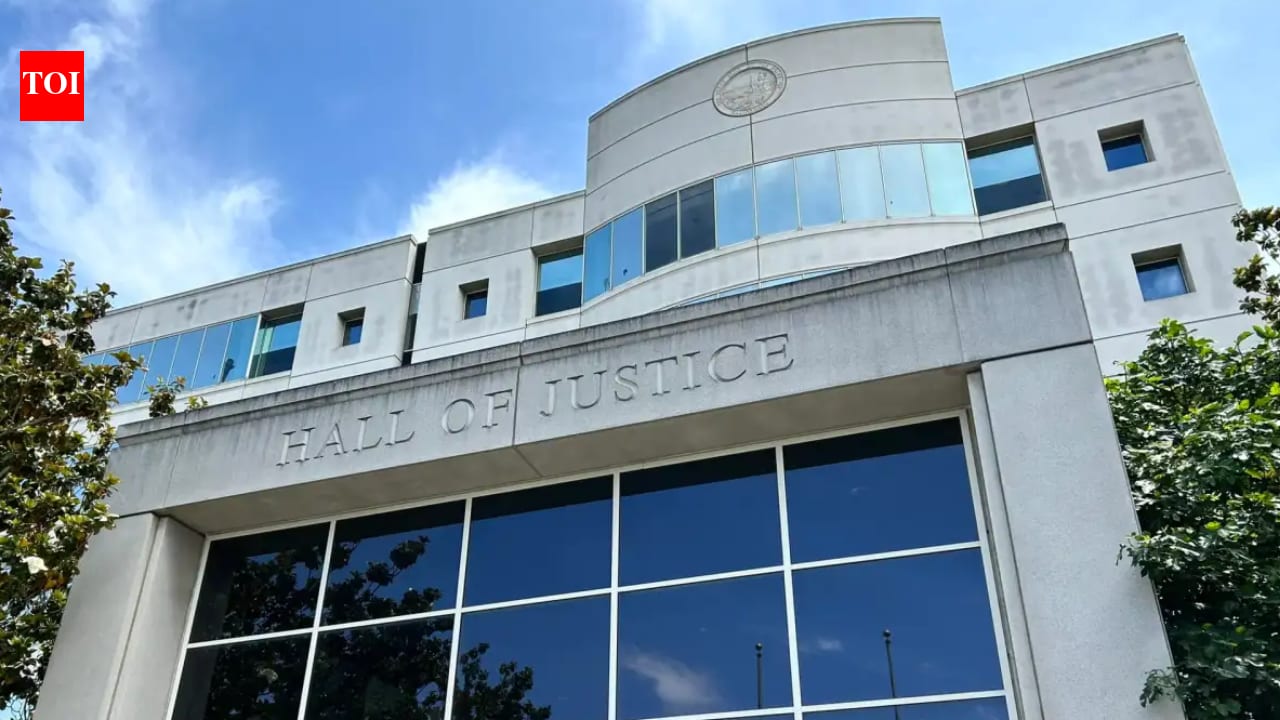
A San Jose family was awarded $8 million after a legal battle with a neighbor who sued over their autistic child's vocalizations. The jury sided with the family, rejecting the neighbor's claims that the boy's natural sounds constituted a public nuisance.
A Landmark Verdict for Disability Rights in San Jose
A San Jose family has achieved a significant legal victory, securing an $8 million jury award following a grueling dispute with a neighbor over their autistic child’s behavior. The conflict centered on the vocalizations of 14-year-old Ezekiel Arvayo, who has Level 3 autism and is non-verbal. When Ezekiel was 11, a neighbor initiated legal action, claiming that the sounds he made while playing in his own backyard constituted a public nuisance that interfered with her professional life.
The Legal Conflict: Nuisance vs. Neurodiversity
The neighbor’s lawsuit attempted to categorize the natural expressions of a neurodivergent child as a legal liability. By labeling these vocalizations as a nuisance, the plaintiff sought to impose behavioral standards on a child with significant support needs. The family’s defense and subsequent countersuit argued that these sounds were an inherent, involuntary part of Ezekiel's condition. The jury’s decision to award $8 million serves as a powerful judicial affirmation that neurodivergent individuals have a right to exist and play in their own homes without being subjected to litigation for their natural behaviors.
Impact on Families of Children with Autism
This case highlights the immense emotional and financial strain placed on families who must navigate both the challenges of raising a child with severe autism and the prejudice of neighbors who may lack understanding. The legal battle, spanning several years, forced the Arvayo family to defend their son’s right to simply play in his backyard. This verdict sets a crucial precedent, signaling that the legal system will not entertain attempts to criminalize the symptoms of autism under the guise of nuisance complaints.
Broader Societal Implications
The outcome of this trial underscores a growing societal need for increased awareness regarding neurodiversity. While noise ordinances exist to maintain peace, they are not intended to infringe upon the fundamental rights of disabled individuals to live in their homes. This case serves as a warning to those who might use the court system to target vulnerable populations; it suggests that juries are increasingly inclined to protect the rights of families and children with disabilities against harassment.
Future Trends in Disability Advocacy
As we look forward, this case will likely become a touchstone for disability rights advocates. It demonstrates that when families are forced into the legal arena to protect their children, they can find success by framing the issue around the fundamental right to exist in one's home. The $8 million award is not just a financial recovery for the family; it is a symbolic victory that reinforces the necessity of empathy and accommodation in residential communities. Future disputes of this nature will undoubtedly be measured against the standard set by the Arvayo family’s perseverance.