India Must Stop Seeking Foreign Validation: PM's Adviser Sanjeev Sanyal
Source Entity
NDTV News Search Records Found 1000
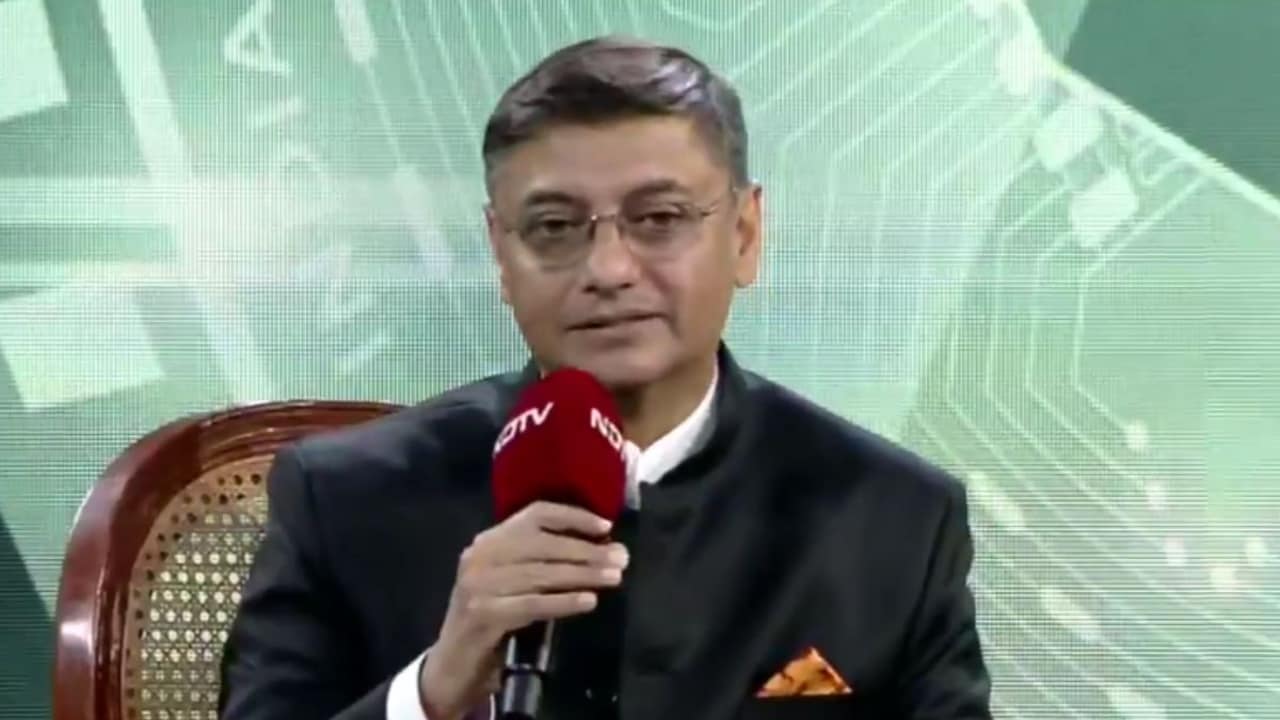
PM's adviser Sanjeev Sanyal has urged India to stop seeking foreign validation for its policies. He emphasized that despite recent growth, India remains a poor nation in per capita terms.
Addressing India's Path to Prosperity
In a recent statement, Sanjeev Sanyal, a member of the Economic Advisory Council to the Prime Minister (EAC-PM), has called for a significant shift in India’s national mindset. He argued that the nation must move away from the habit of seeking foreign validation for its domestic policies and developmental trajectory. This call for 'intellectual decolonization' suggests that India’s governance should be driven by local realities and internal metrics rather than the approval of Western institutions or global media outlets.
The Reality of Per Capita Metrics
Central to Sanyal’s argument is the sobering reminder that India, despite its position as one of the world's fastest-growing major economies, remains a poor country in per capita terms. While aggregate GDP growth figures often dominate headlines, the per capita income metric provides a more accurate reflection of the average citizen's standard of living. By highlighting this, Sanyal underscores the reality that India’s developmental journey is far from complete and that the challenges of poverty and inequality remain profound.
Moving Beyond Foreign Validation
Sanyal’s critique implies that an over-reliance on international rankings—such as those related to democracy, press freedom, or ease of doing business—can often lead to skewed policy priorities. By focusing on foreign opinion, the nation risks neglecting its unique socio-economic context. His stance suggests that India should instead focus on indigenous solutions that address the specific needs of its diverse population, rather than attempting to conform to models designed in entirely different historical and economic environments.
Historical Context and Governance
Historically, post-colonial nations have often struggled with the tension between adopting Western democratic frameworks and maintaining cultural or developmental sovereignty. Sanyal’s commentary reflects a growing trend in Indian political discourse that emphasizes 'Atmanirbharta' or self-reliance, not just in manufacturing, but in the realm of policy formulation and intellectual discourse. This approach seeks to build a framework where India’s progress is measured by its own internal development goals rather than external accolades.
Economic Implications and Future Trends
Looking ahead, the emphasis on per capita metrics suggests that future economic policy will likely focus more on inclusive growth. If India is to transition from a low-income to a middle-income economy, it must address the structural barriers that keep per capita income low. This will necessitate a move toward higher productivity in agriculture, industrial modernization, and significant investments in human capital, such as education and health, to ensure that the benefits of national growth reach the individual level.
Conclusion
Ultimately, Sanjeev Sanyal’s remarks serve as a reality check for a nation navigating its role on the global stage. By acknowledging the limitations of current per capita wealth while simultaneously rejecting the necessity of foreign validation, India is positioning itself to pursue a more authentic and pragmatic path to development. The challenge remains to balance global integration with domestic priorities, ensuring that the country’s growth is both sustainable and broadly shared among its citizens.
Verification Required?