Sanjeev Sanyal responds to US man questioning eating with hands: ‘If you cannot bear to touch it…’
Source Entity
Latest News: Todays Latest News Headlines from India & World | Hindustan Times | Hindustan Times
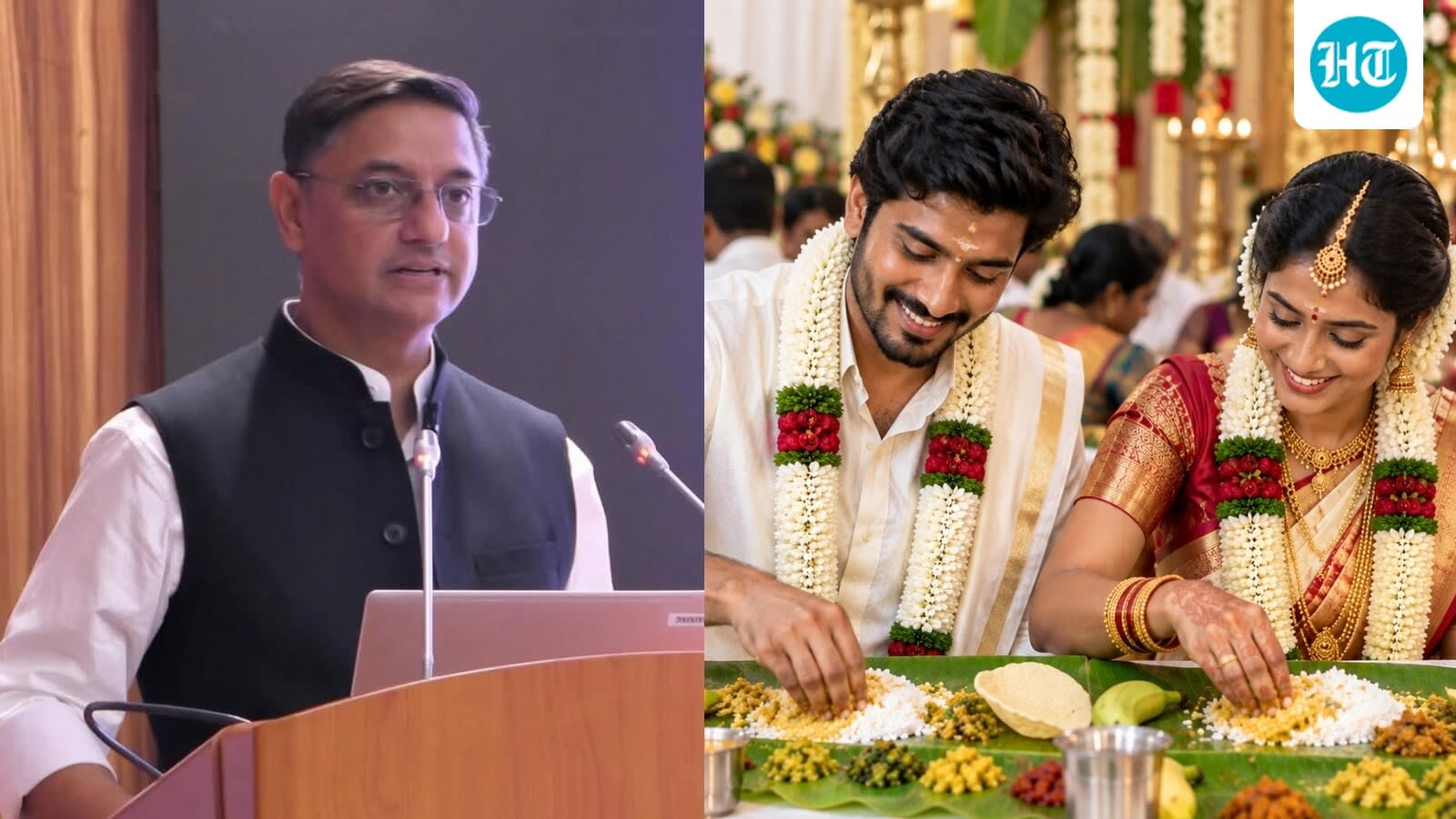
Economist Sanjeev Sanyal defended the traditional Indian practice of eating with hands after a viral video sparked a cross-cultural debate. His response highlighted the sensory connection to food, framing the act as a culturally rooted, mindful experience.
A Cultural Dialogue on Culinary Traditions
The recent social media exchange involving economist Sanjeev Sanyal and a Florida-based user has ignited a broader conversation regarding the intersection of cultural practices and Western perceptions. The discourse began when an individual named Aka shared a video depicting a traditional South Indian meal, questioning the necessity of eating with one's hands. This inquiry, while framed as a simple query, touched upon deep-seated cultural differences in dining etiquette and sensory engagement with sustenance.
The Philosophical Defense of Tradition
Sanjeev Sanyal’s response offered more than a mere defense of a habit; it provided a philosophical framework for the practice. By suggesting that the willingness to touch one’s food is a litmus test for its quality and appeal, Sanyal repositioned the act of eating with hands from a perceived 'lack of sophistication' to a deliberate, mindful engagement with what one consumes. This perspective emphasizes that the tactile connection to food is a sensory experience that is often lost in cutlery-reliant cultures.
The Context of Cultural Misunderstanding
At the heart of this viral interaction lies the frequent friction between globalized norms and indigenous traditions. In many Western cultures, the use of utensils is viewed as a standard of hygiene and etiquette. However, the Indian tradition of eating with hands—often referred to as 'hasta bhojana'—is deeply rooted in Ayurveda, which posits that the touch of fingers stimulates nerve endings and aids in digestion. By addressing the US man's skepticism, Sanyal underscored that what is labeled as 'strange' by one culture is often a highly evolved, functional practice in another.
The Role of Digital Discourse
This event highlights how social media platforms act as modern-day forums for cross-cultural education, albeit often through confrontational or questioning tones. While the initial question was framed with a degree of skepticism, the virality of the response proves that there is a significant audience interested in the 'why' behind traditional practices. Sanyal’s ability to condense a complex cultural defense into a pithy, accessible response allowed the conversation to pivot from mockery to an appreciation of the underlying logic of the practice.
Broader Implications for Global Exchanges
The incident serves as a microcosm for how globalization requires constant negotiation between competing social norms. As the world becomes more interconnected, the 'othering' of traditional practices—such as eating with hands—becomes less tenable. Instead, these instances provide opportunities for experts and public figures to bridge the gap between disparate cultural expectations, fostering a more nuanced understanding of global diversity in daily life.
Conclusion
Ultimately, the interaction between Sanjeev Sanyal and the social media user serves as a reminder that culinary habits are not just about consumption, but about identity and history. By defending the practice, Sanyal successfully contextualized a traditional Indian custom within a modern, globalized landscape, encouraging a more respectful and inquisitive approach to cultural differences.
Verification Required?